Fall is festival season for churches and community organizations across Hampton Roads — harvest festivals, craft bazaars, trunk-or-treat events, and fall fellowship gatherings all cluster into September and October, often in the same fellowship halls, gyms, and multipurpose rooms that host regular weekly services and activities.
These events are genuinely good for a congregation or community, and they are genuinely hard on the floors that host them. A single well-attended weekend event can put more feet through a fellowship hall than an entire ordinary month of regular use, and the soil that comes with it is often different in kind, not just volume, from what the space normally sees.
What Makes Festival Soil Different
Regular weekly use of a fellowship hall or gym involves a fairly predictable soil profile — shoes, some food and drink from coffee hour or a potluck, the usual dust and lint of indoor traffic. A fall festival introduces several categories a facility does not typically deal with in the same concentration.
Outdoor vendor booths and food service bring grease, sugar, and general food spill risk well beyond what a typical fellowship gathering produces. Fall weather adds mud and moisture if the event has any outdoor component that funnels attendees back indoors through the same entrances repeatedly. And seasonal decorations — hay bales, pumpkins, fall leaves used as decor — shed their own debris throughout the day, adding a layer of organic material that a vacuum has to work harder to fully remove.
Planning Matting Before the Event, Not During It
The single most effective thing an event committee can do is think about entry matting during the planning stage rather than as an afterthought once vendors are already setting up.
- Identify every entrance the public will actually use, not just the official main entrance — side doors near parking often see more traffic during a festival than the front doors.
- Place substantial walk-off matting at each of those entrances, long enough to capture several footsteps rather than a single token mat.
- Consider a secondary mat or runner along the main path from the entrance to the festival's central area, since that stretch takes concentrated repeated traffic all day.
- Designate specific spill-response supplies — towels, a basic spot cleaner — at a known location rather than assuming someone will improvise if something spills.
- Brief volunteers running food or craft booths on basic spill protocol, since they are the ones most likely to be present when something happens.
Renting or borrowing additional matting for a single high-traffic event is inexpensive relative to what extra deep cleaning afterward would cost, and it is one of those preparations that is easy to skip in the rush of event planning but pays for itself quickly.
Handling Spills During the Event
A festival with food and craft vendors will have spills — it is close to a statistical certainty across a full day of heavy traffic and activity. The difference between a spill that comes out easily later and one that leaves a lasting mark is almost always how quickly it gets addressed in the moment.
Having a designated person or rotating volunteer responsible for noticing and responding to spills throughout the event, rather than leaving it to whoever happens to be nearby, keeps response time short. A simple blot-with-a-clean-towel response, done within minutes of a spill, prevents the large majority of festival-day accidents from becoming a real cleaning problem afterward.
The Post-Event Window Matters More Than People Think
The gap between a Saturday festival and the next scheduled use of the space — often a Sunday service the very next morning, or a weekday program a few days later — is usually too short for a thorough deep cleaning, which means most facilities do a quick surface tidy and move on, leaving the deeper soil from the event embedded in the carpet.
Scheduling a proper cleaning within the week following a major event, rather than waiting for the facility's normal cleaning cycle to come back around, prevents that festival-specific soil from becoming a permanent part of the carpet's baseline condition. A facility that hosts several fall events without addressing this can find its carpet noticeably more worn by the time the holiday season arrives than it would be following a normal fall.
This matters even more for facilities heading straight into a busy stretch of services and events, where there is limited additional downtime to catch up on deferred cleaning once the fall festival season gives way to Advent and holiday programming and the calendar only gets busier from there.
Gyms and Multipurpose Rooms Take a Different Kind of Hit
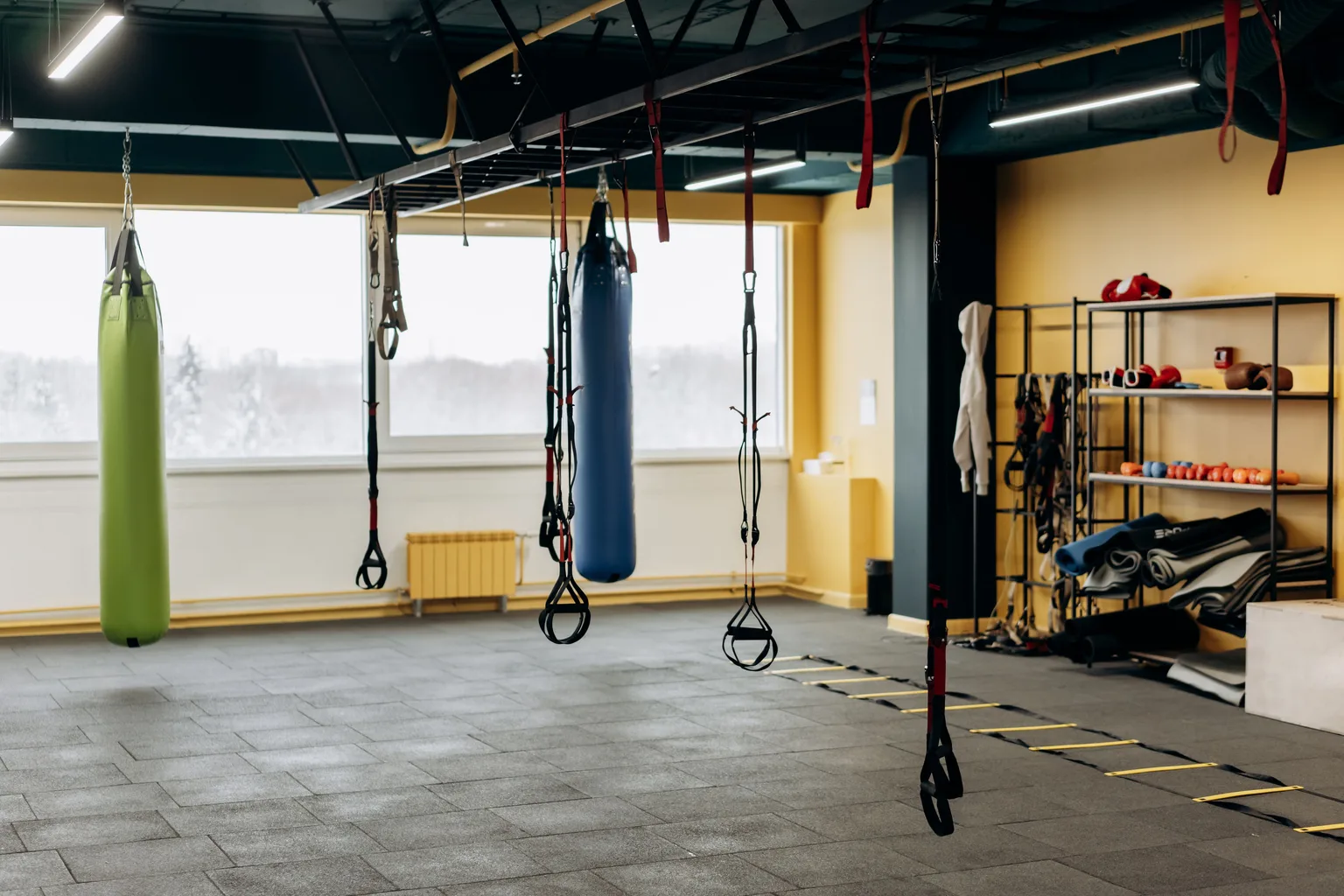
Many fall festivals and bazaars are hosted in a facility's gym or multipurpose room rather than a carpeted fellowship hall, and while the flooring itself is usually a hard surface designed for exactly this kind of heavy use, the setup and teardown process still puts real stress on it.
Folding tables and chairs dragged rather than lifted into place scuff and scratch gym flooring, vendor booth setups sometimes involve tape or adhesive that leaves residue if not removed carefully, and the sheer volume of chairs and tables being moved in and out across a single weekend adds up to more wear than a typical month of regular gym use produces.
Briefing setup and teardown volunteers on lifting rather than dragging furniture, and confirming what kind of tape or adhesive is safe to use on the floor before vendors start setting up, prevents a lot of avoidable damage that has nothing to do with foot traffic at all.
Coordinating With Outside Vendors and Craft Fair Participants
Vendors setting up booths for a craft fair or bazaar often bring their own tables, displays, and sometimes rugs or mats of their own, and it is worth a brief conversation ahead of the event about what is and is not acceptable near the facility's flooring.
Vendors selling food or using any liquid product — candles, soaps, beverages — should be positioned with extra matting or a protective covering underneath their booth specifically, since they represent a concentrated spill risk in one fixed spot for the duration of the event, unlike the more diffuse risk of general foot traffic. A short vendor guideline sheet, distributed ahead of the event, sets expectations before anyone arrives rather than trying to correct behavior once booths are already set up, and it is worth including basic carpet cleaning expectations directly in that sheet so vendors understand why the request is being made.
Budgeting for Event Season Specifically
Facilities that host multiple fall events benefit from budgeting cleaning as part of the event cost itself, rather than treating it as a separate, unplanned expense that competes with the facility's regular maintenance budget after the fact.
A modest line item for post-event cleaning, built into the planning for each major festival or bazaar, keeps the facility's floors from slowly degrading across a busy fall season and gives the committee a clear number to work with rather than an open-ended concern about what cleanup might cost after the fact. It is a far easier conversation to have during the planning meeting than after the fact when someone notices the carpet looking worn.
All City Carpet Cleaning And Building Solutions works with churches, schools, and community organizations across Virginia Beach, Norfolk, Chesapeake, Suffolk, Hampton, Portsmouth, and Smithfield on both pre-event prep and fast post-event turnarounds, with pricing published up front so a committee can budget for it accurately from the start of planning.
A facility that treats each fall event as a planned, budgeted piece of its overall calendar — rather than a surprise the maintenance team discovers the following Monday — comes out of festival season in noticeably better shape than one that does not, and it makes the following spring's maintenance conversation considerably easier as well.
Facilities that get this right tend to notice it in the smallest ways — fewer complaints about the fellowship hall carpet, less last-minute scrambling before a big Sunday, and floors that look cared for year-round rather than freshly cleaned right before a big event and neglected the rest of the time.