Upholstery Cleaning
in Virginia Beach + Hampton Roads
Refresh sofas, chairs, and fabric seating with a measured process that respects delicate fibers, cushions, seams, and the way the furniture is used.
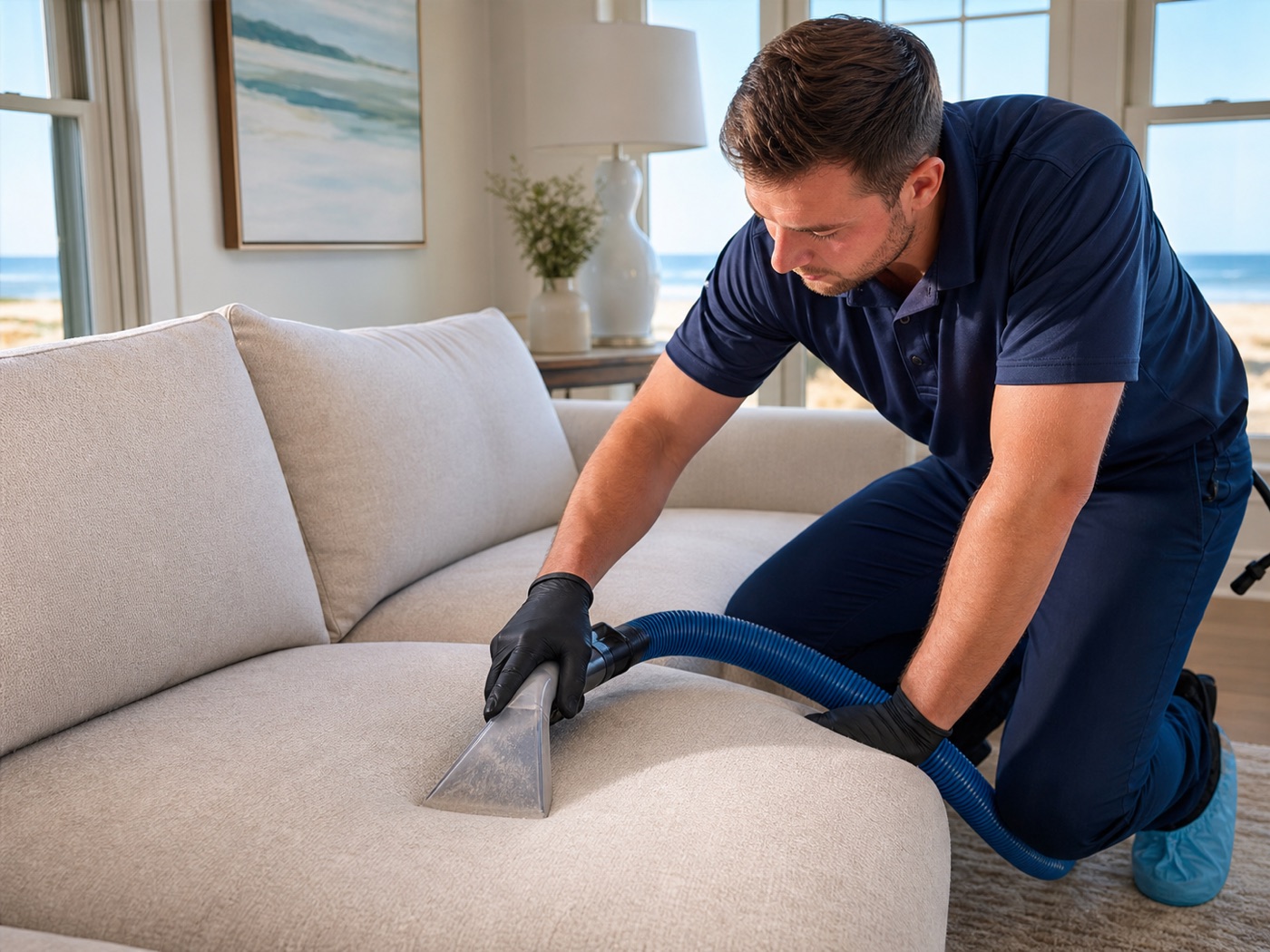
A focused plan for the surface in front of us.
Upholstery can hold body oils, dust, food residue, pet hair, and odors in places a quick surface wipe will not reach. All City starts with the fabric and construction, then chooses a method that balances soil removal with controlled moisture and drying.
All City works with residential and commercial customers. The right method, products, and timing depend on material, condition, access, and what the space needs to be ready for afterward.
Start with the condition—not a shortcut.
- Body oils and daily-use soil
- Pet hair and lingering household odors
- Spills or spots on cushions and arms
- Fabric that looks tired or uneven from repeated use
Results depend on the material, age of the problem, previous products, and whether the source is accessible. We explain limits before work begins.
A useful scope,
in writing.
Exact inclusions depend on the estimate and the actual space. These are the steps commonly considered for upholstery cleaning.
Discuss your projectFabric and construction inspection
Dry soil removal as appropriate
Targeted spot treatment
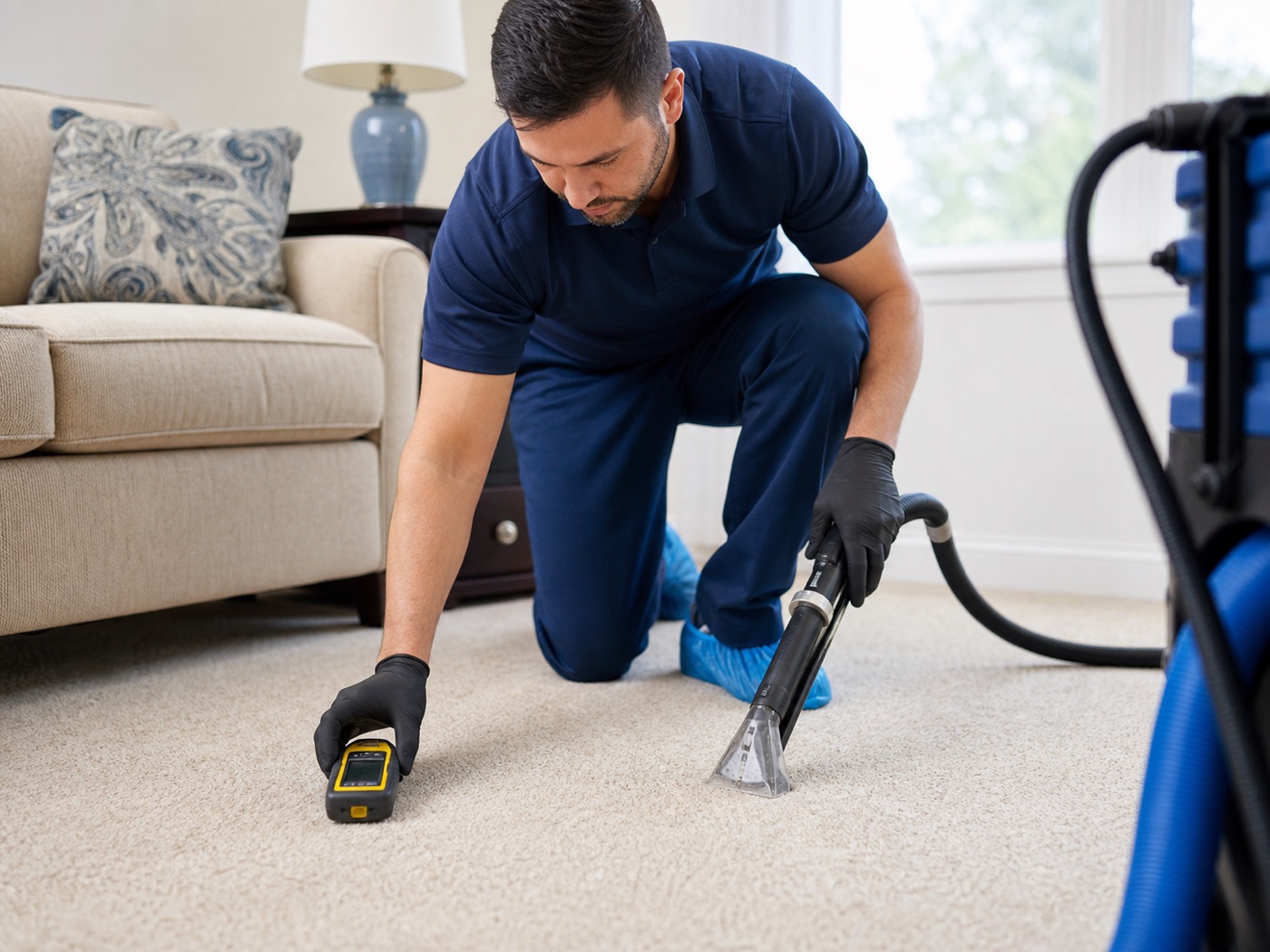
Controlled hand-tool extraction or low-moisture cleaning
Cushion and seam attention
Drying and care instructions
Thoughtful steps
make better handoffs.
The team’s approach is adjusted to the surface, but the communication stays simple: inspect, prepare, clean, review.
- 01
Check the fabric
We consider the care label, fiber, dye stability, cushion fill, seams, and any existing wear.
- 02
Test a small area
A discreet test helps confirm that the selected product and moisture level are appropriate.
- 03
Clean by section
We work in manageable sections and control moisture around cushions, piping, and wood or metal details.
- 04
Set up for drying
Cushions and seating are positioned so air can move and the furniture can return to normal use responsibly.
Selected for the material.
The product mix may include upholstery-safe pre-treatment, low-residue rinse, deodorizing treatment, towels, soft brushes, and a controlled hand extraction tool. The exact products depend on the fabric and manufacturer guidance.
- Sofas and sectionals
- Dining and accent chairs
- Reception seating
- Move-in or pre-sale furniture refreshes
Humidity and air conditioning in Hampton Roads influence upholstery drying. We plan around airflow and ask that cushions stay undisturbed until they are fully dry.
Before the quote.
These answers are starting points. Site conditions and the written scope control the final recommendation.
Can you clean every type of upholstery?
No. Some fabrics, dyes, finishes, and constructions need dry cleaning or a specialist method. We inspect the piece first and will tell you if the requested cleaning is not a responsible fit.
Do I need to remove the cushions?
Loose cushions are helpful when the construction allows it. We can discuss the best setup during the estimate so the furniture is accessible without unnecessary handling.
Will upholstery be wet afterward?
Most professional fabric cleaning uses some moisture, but the amount varies by fabric and method. We use controlled application and provide drying guidance before the piece goes back into normal use.
Keep the whole surface plan in view.
Need help with upholstery?
Tell us what needs attention. We’ll confirm the service area, talk through the scope, and help you choose the next step.