
Summer is the busiest rental season in Hampton Roads, driven heavily by military PCS moves and the school-year calendar, but fall carries a real secondary wave of move-ins — lease turnovers that did not align with summer timing, new job relocations, and renters coming off shorter-term leases. If you are moving into a rental this October or November, the process looks calmer than the summer rush, and that calm is exactly when people get careless about documentation.
Most of the advice available online for renters focuses on move-out — protecting a deposit on the way out the door. Move-in gets far less attention, even though the steps taken in the first few days in a new unit are what actually determine how a deposit dispute goes when the lease eventually ends.
Document Before You Unpack
The single most protective thing a renter can do is document carpet and floor condition before furniture and boxes start covering it up. Once a couch is sitting where a stain used to be, or a bed frame is covering a section of carpet, there is no way to go back and prove what that spot looked like on day one.
Walk every room with a phone camera before anything gets moved in, including closets and areas behind doors that are easy to skip. Photograph any existing stains, discoloration, matting, or odor-prone areas specifically, and take wide shots of each room in addition to close-ups of problem spots. Date-stamped photos, or photos sent in a timestamped email or text to the landlord, carry more weight than photos that just sit in a phone's camera roll with no clear proof of when they were taken.
This mirrors, in reverse, the same documentation habit that protects renters at move-out — the difference is most people only think to do it when they are leaving, not when they are arriving.
Get It In Writing, Not Just In Your Phone
Photos alone help, but a written move-in condition report sent to the landlord or property manager, ideally within the first day or two of getting keys, is the stronger version of this step. Many leases already include a move-in checklist form for exactly this purpose — fill it out completely and specifically rather than checking every box as 'good condition' without detail.
If a lease does not provide a form, a short email describing room-by-room condition, with photos attached, and asking the landlord to confirm receipt, accomplishes the same thing. This creates a dated record independent of the landlord's own files, which matters if a dispute happens after the lease ends and Virginia's security deposit rules come into play.
Keep a copy of whatever you send, along with the landlord's acknowledgment if you get one. This step takes maybe twenty minutes and is genuinely the difference between a straightforward deposit return and a drawn-out dispute a year or more down the line.
Ask Whether the Previous Tenant's Cleaning Was Verified
A lot of leases require the outgoing tenant to have carpets professionally cleaned before move-out, similar to the requirement seen in commercial leases at turnover, but enforcement of that requirement varies widely by landlord. It is worth directly asking whether that cleaning happened and whether there is a receipt or invoice on file.
If the landlord cannot confirm it, that is useful to know early rather than discovering it later. It means whatever condition the carpet is in when you move in has no documented baseline behind it, which puts more weight on your own move-in documentation, and it also means you are moving your belongings onto carpet with an unknown cleaning and pet history.
This is a reasonable, ordinary question to ask during the walkthrough or lease signing, not an unusual demand. Property managers who run a tight turnover process usually have this information readily available and are not bothered by the question, and a hesitant or evasive answer is itself useful information about how the property is generally managed.
When It's Worth Cleaning Carpet Before Moving In
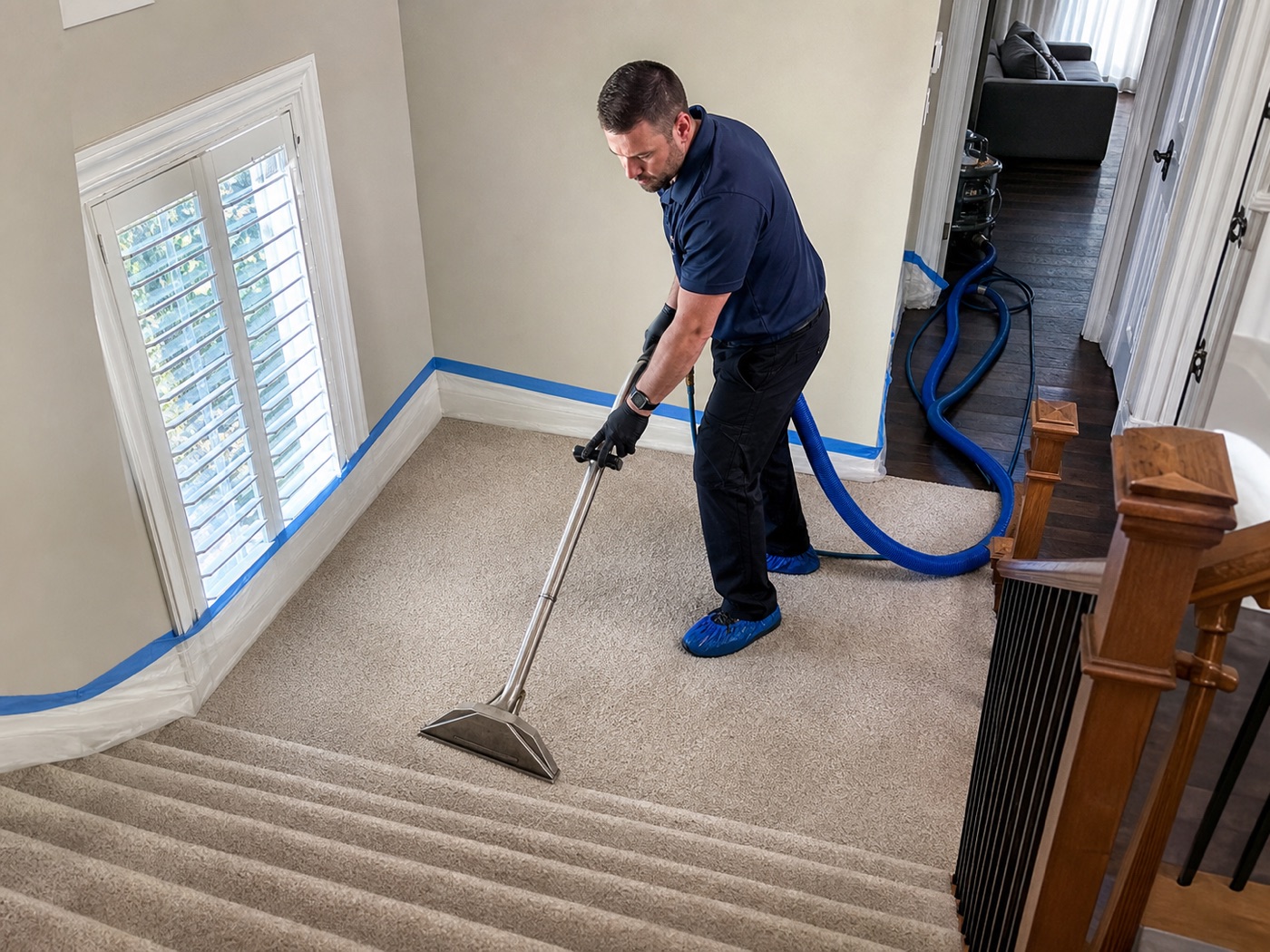
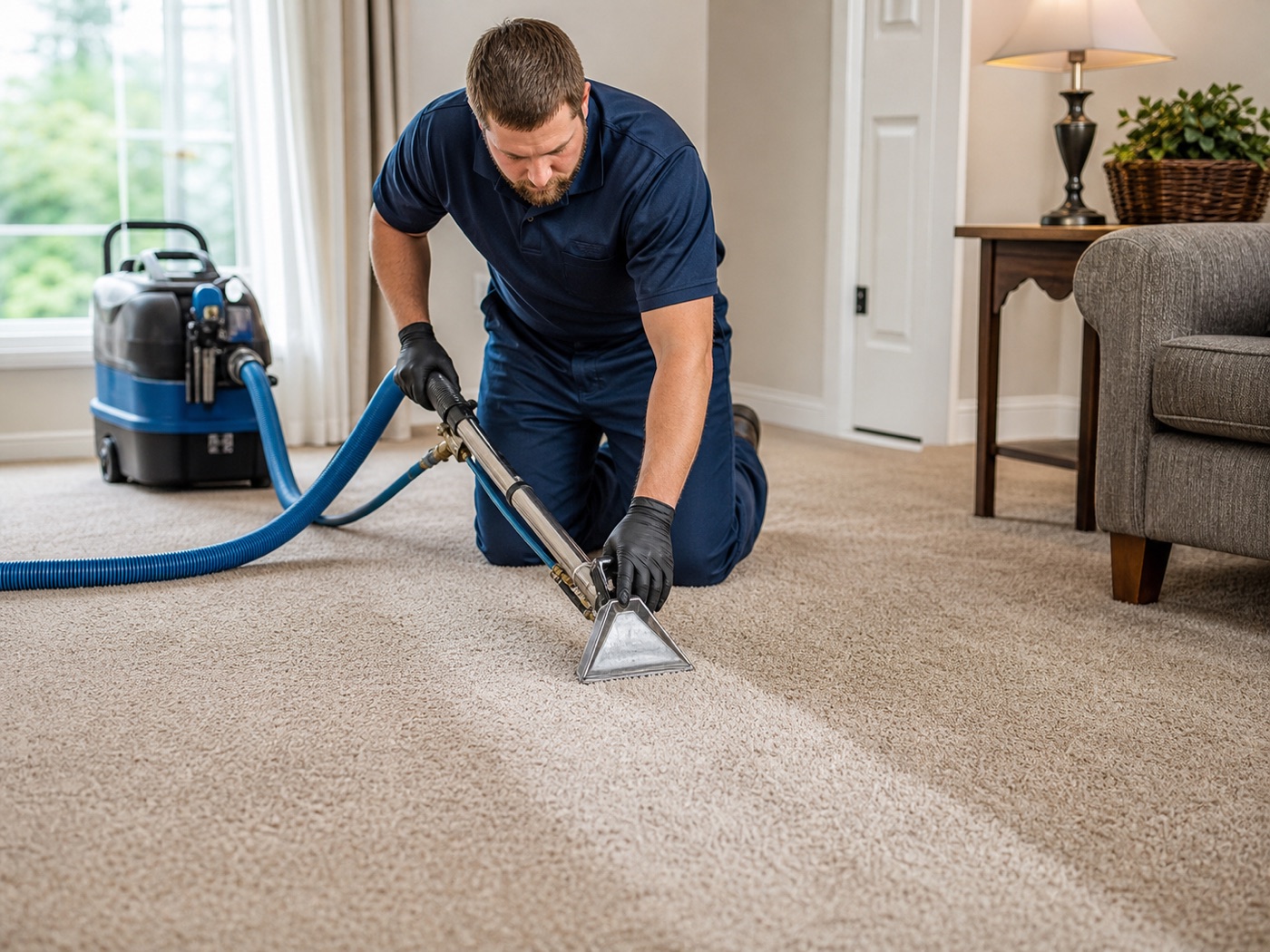
If the previous tenant's cleaning cannot be verified, or if the carpet shows visible wear, odor, or staining that concerns you, having it professionally cleaned before furniture goes in is worth considering, even though it is an extra step and cost most renters do not expect to take on at move-in.
The advantage is straightforward: cleaning an empty room is faster, more thorough, and cheaper than cleaning around furniture later, and it establishes an unambiguous, dated baseline that protects you at both ends of the lease. It also addresses any residual pet dander, allergens, or odor from a previous occupant before you are living on top of it daily.
This is especially worth doing for anyone with allergies, small children, or pets of their own moving in, since carpet that looks clean to the eye can still hold dander and residue from a previous tenant that only becomes obvious once it is disturbed by new foot traffic and furniture settling into place.
Walk the Whole Unit, Not Just the Main Rooms
Renters in a hurry tend to focus documentation on the living room and bedrooms, the spaces that will get the most daily use, and skip closets, hallway carpet, and any secondary rooms like a den or office. Those overlooked spaces are exactly where a landlord's argument about pre-existing damage is hardest to contest later, precisely because no one thought to photograph them on day one.
It is worth a few extra minutes to open every closet door, check under any area rugs the landlord left behind, and note the condition of stairs and landings if the unit has them, since those transition areas often show the heaviest wear of any carpet in a home and are easy to miss during a quick walkthrough focused on the main living spaces.
The Fall-Specific Consideration
Fall move-ins have one practical advantage over summer ones: cleaning companies are generally not as booked solid as they are during the peak summer relocation season, which means more flexible scheduling for a pre-move-in cleaning appointment timed around your actual move date.
That flexibility also makes it easier to schedule cleaning close to your actual key handoff date rather than settling for whatever slot is available, which matters because an empty unit cleaned a week or two before move-in, then left sitting, can pick up dust and odor again before you even arrive. Booking the cleaning within a day or two of your move-in date, when the schedule allows it, keeps that baseline as clean as possible when your belongings actually arrive.
- Photograph every room, including closets, before furniture arrives
- Send a dated written condition report to the landlord and keep a copy
- Ask directly whether the previous tenant's carpet cleaning was verified with a receipt
- Consider professional cleaning before furniture arrives if condition or history is uncertain
It is also worth checking with roommates or a partner moving in together on the same lease that everyone understands the documentation was done and knows where the photos and written report are kept. A dispute at move-out is much easier to handle when more than one person can confirm what the move-in condition actually was, rather than relying on a single person's phone and memory months or years later.
None of this takes the place of reading the lease itself carefully, particularly any section describing what condition the unit must be returned in and what counts as normal wear versus tenant damage. Combining a thorough move-in record with a clear understanding of those lease terms gives a renter the strongest possible position at both ends of the tenancy, whether the lease runs six months or several years before the next move happens.
All City Carpet Cleaning And Building Solutions cleans rental units before and after tenant turnover across Virginia Beach, Norfolk, Chesapeake, Suffolk, Hampton, Portsmouth, and Smithfield, with pricing published upfront so renters know the cost before booking.