
Halloween candy season brings a very specific set of carpet stains that show up every year across Virginia Beach, Norfolk, Chesapeake, Suffolk, Hampton, Portsmouth, and Smithfield: melted chocolate ground into a hallway, sticky sugar residue tracked from a candy bowl, and the occasional bright red or blue stain from a dropped piece of dye-heavy candy.
These are not all the same stain, even though they often show up together after a night of trick-or-treating or a kids' Halloween party. Chocolate and food dye behave differently on carpet fiber, and treating one like the other is a common reason a stain that should have come out easily ends up setting permanently instead.
Chocolate: Scrape Before You Treat
The single most important step with a chocolate stain, and the one most people skip in the rush to clean it up, is scraping away as much solid chocolate as possible before introducing any liquid at all. A dull knife edge or the edge of a spoon works well, lifting from the outer edge of the stain toward the center to avoid spreading it further out.
Chocolate that has partially melted into carpet fiber contains both a fatty, greasy component and a dye component, and rubbing at it with a wet cloth before scraping tends to smear both of those components across a wider area of fiber rather than lifting them out. That wider smear is often what turns a small, contained spot into a stain that seems to have doubled in size by the time someone tries to actually clean it.
Once the bulk of the solid chocolate is scraped away, a small amount of warm water with a mild dish soap solution, applied by blotting rather than rubbing, generally handles the greasy residue that remains. Blotting from the outer edge inward, and switching to a clean section of cloth frequently, keeps the treatment from redepositing what it has already lifted.
Food Dye: The Harder Problem
Bright candy — red and blue varieties especially — poses a genuinely different challenge than chocolate, because the dyes used to make candy vividly colored are chemically formulated to be stable and long-lasting, which is precisely the property that makes them bond persistently with carpet fiber once they make contact.
This is the same category of problem as a Kool-Aid or fruit punch spill, and it deserves the same level of caution. Aggressive scrubbing spreads dye molecules across more fiber surface area rather than lifting them out, and using the wrong cleaning product can actually set some dyes more permanently, similar to how heat can set certain stains rather than loosen them.
Blotting with a clean cloth and a small amount of cool water first, working from the outside of the stain inward, is the safer starting approach for the dye component specifically. If a stain-specific carpet cleaner is used, testing it on an inconspicuous area of carpet first is worth the extra minute, since not every cleaning product reacts the same way with every dye.
What Not to Do
Rubbing a fresh candy or chocolate spill vigorously is the most common mistake, and it works against removal in almost every case by grinding the stain deeper into the pile and spreading it laterally across more fiber. Blotting, not rubbing, is the rule for essentially every fresh stain, this category included.
Hot water straight out of the tap, applied without first addressing the greasy component separately, can occasionally set certain dye stains rather than loosening them, which is part of why treating the two components of a chocolate-and-dye stain separately, at different temperatures, tends to work better than one aggressive single pass with whatever is on hand.
Household bleach or ammonia-based cleaners are also worth avoiding on carpet fiber generally, since they can cause discoloration of their own that is harder to address than the original candy stain.
Sticky Sugar Residue and Trampled Wrappers
Beyond chocolate and dye, plain sugary residue from hard candy, caramel, and taffy that gets stepped on or ground into carpet during a busy night of trick-or-treaters answering the door is its own minor nuisance, and it is worth scheduling routine carpet cleaning periodically regardless of whether a stain is visible, since sugar residue is generally water-soluble and responds well to warm water blotting but can feel deceptively clean while actually leaving a slightly sticky film that attracts dust and dirt over the following days if it is not fully rinsed out with a second, clean-water blotting pass.
Candy wrappers and small pieces of foil or cellophane ground into pile from foot traffic are a nuisance of their own kind, and thorough vacuuming after the sticky residue has been treated and fully dried catches most of what a quick pass during cleanup misses. Waiting until the treated area is dry before vacuuming keeps a vacuum from working any remaining moisture or residue further into the pile, and it is a small but easy step to skip in the rush of getting a house back in order the morning after a busy Halloween night.
Protecting Carpet Before the Candy Even Spills
A Halloween party or a busy trick-or-treat evening is exactly the kind of high-traffic, high-mess event where a little prevention goes a long way. Keeping the candy bowl and any dessert table on a hard-surface area rather than directly on carpet, and laying down a washable runner or mat in high-traffic zones near the door, both reduce the odds of a stain happening in the first place.
A carpet protector treatment applied ahead of the season also gives fiber a head start against exactly this kind of spill, since protected fiber resists dye and grease absorption longer, buying more time to catch and blot a spill before it fully sets. For households that host trick-or-treaters, run a Halloween party, or simply have kids handling candy over carpet for a few weeks every fall, that extra buffer is worth considering as part of getting ready for the season.
Costume-related mishaps add to the season's list of carpet risks too — fake blood, dark face paint, and fog machine residue used for Halloween decorating or parties can all land on carpet in the same general window as candy stains, and several of these respond to similar blotting principles, though some, like fake blood formulated with dye, can behave more like a food-dye stain than a typical spill. Keeping a small stain kit with a mild dish soap solution, clean white cloths, and cool water on hand through the last week of October covers most of what a Halloween season throws at carpet.
When a Stain Is Beyond DIY
A candy or chocolate stain that has had time to fully dry and set — anything beyond a few hours — is meaningfully harder to remove than one treated immediately, and a large stained area or a stain that has already had one unsuccessful treatment attempt on it is a reasonable point to bring in professional help rather than continuing to experiment.
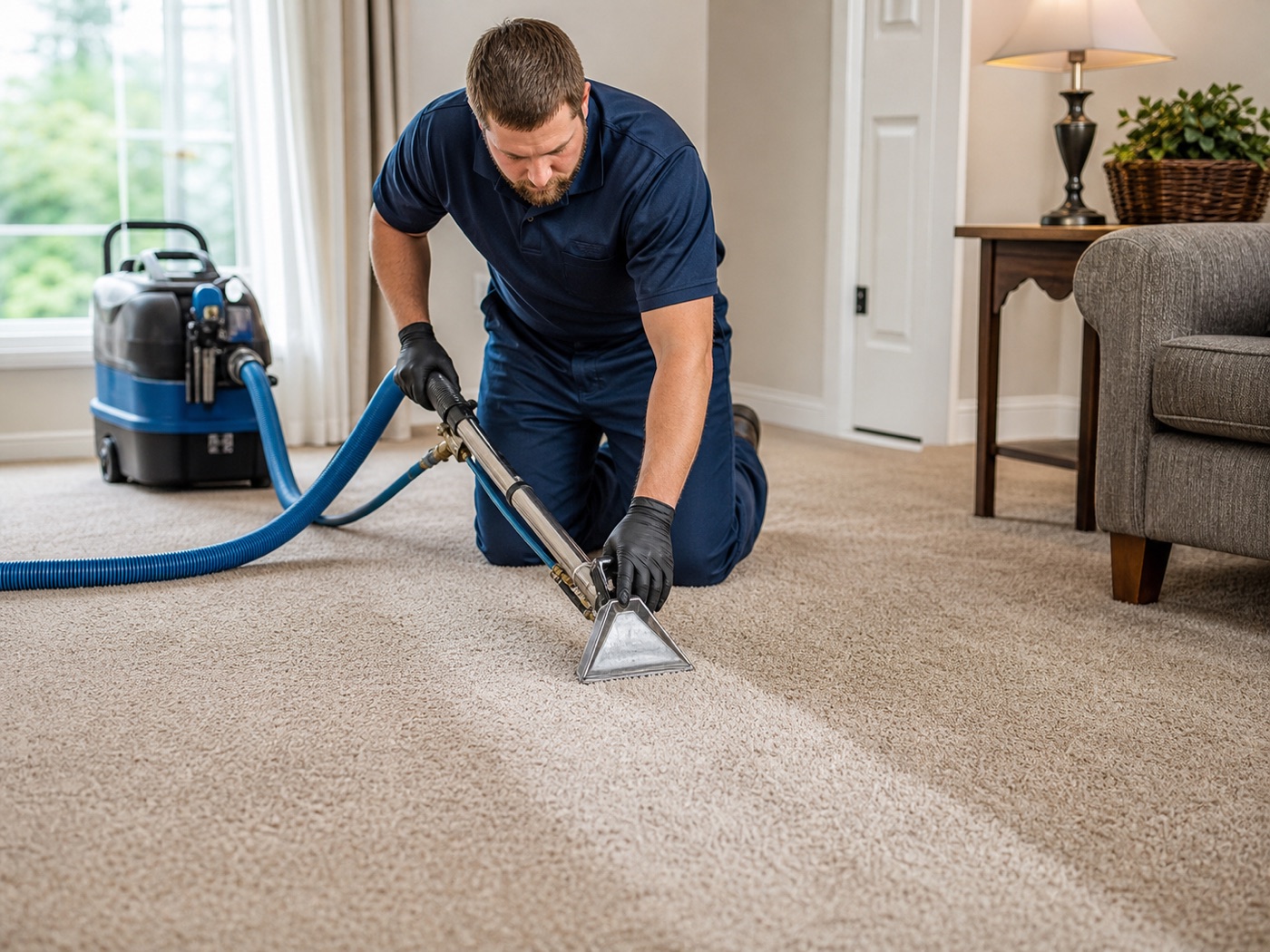
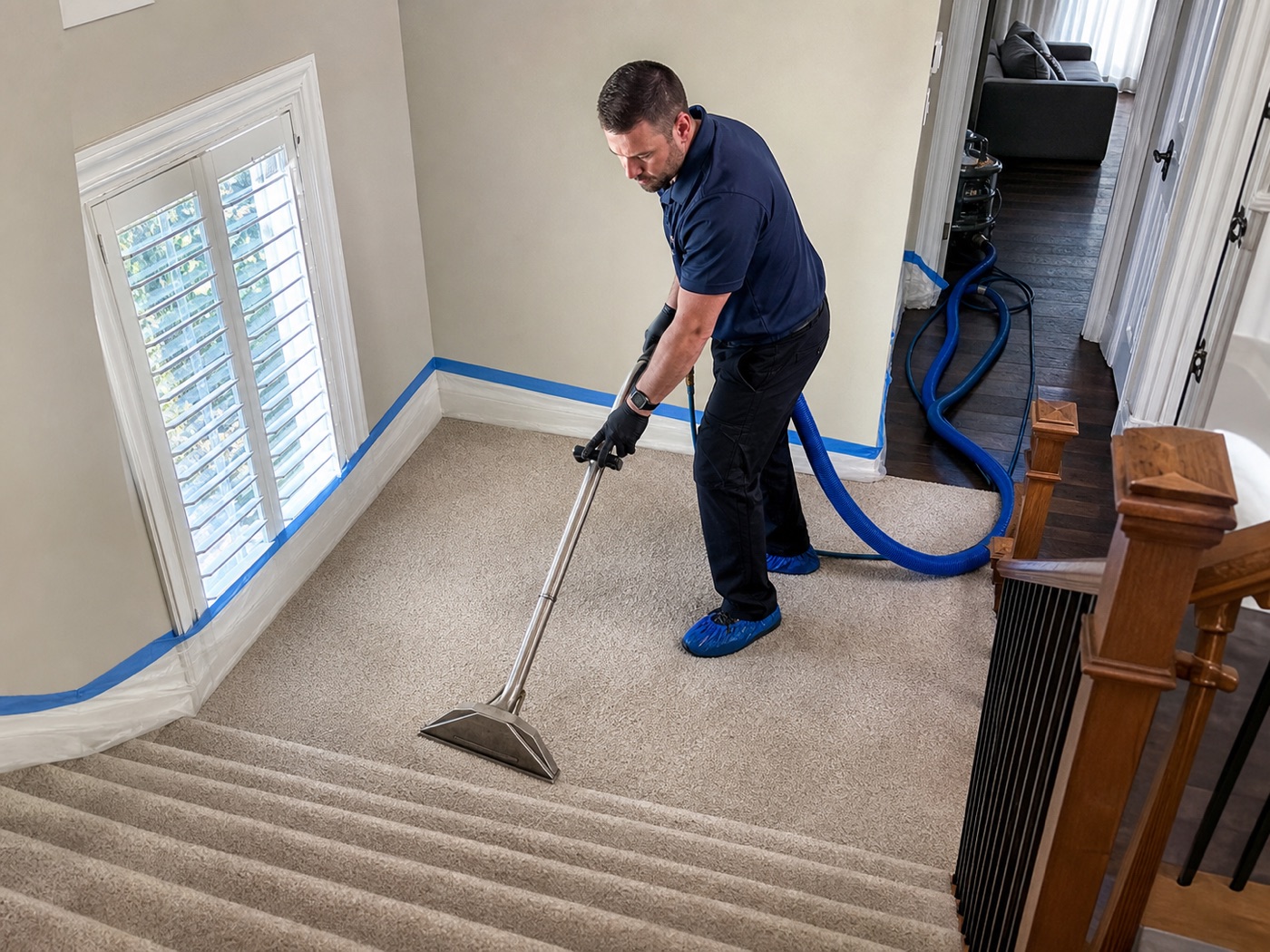
Professional spot treatment has access to stain-specific products and extraction equipment that go beyond what a household approach can achieve, and it avoids the risk of a well-meaning but mismatched cleaning attempt making a stain permanent. This is particularly true for bright dye stains on light-colored carpet, where the margin for error is smaller than on darker carpet that hides partial discoloration more easily. A full residential carpet cleaning visit is also a reasonable option if candy season has left more than one spot needing attention.
All City Carpet Cleaning And Building Solutions handles Halloween season spot treatment and full carpet cleaning for households across Virginia Beach, Norfolk, Chesapeake, Suffolk, Hampton, Portsmouth, and Smithfield. We see the same handful of stubborn candy stains every October and know which approach works for each one, whether it is a fresh spot from tonight or a stain someone tried to treat a week ago. Call (757) 748-0654 if candy season leaves behind a stain that will not come out on its own.