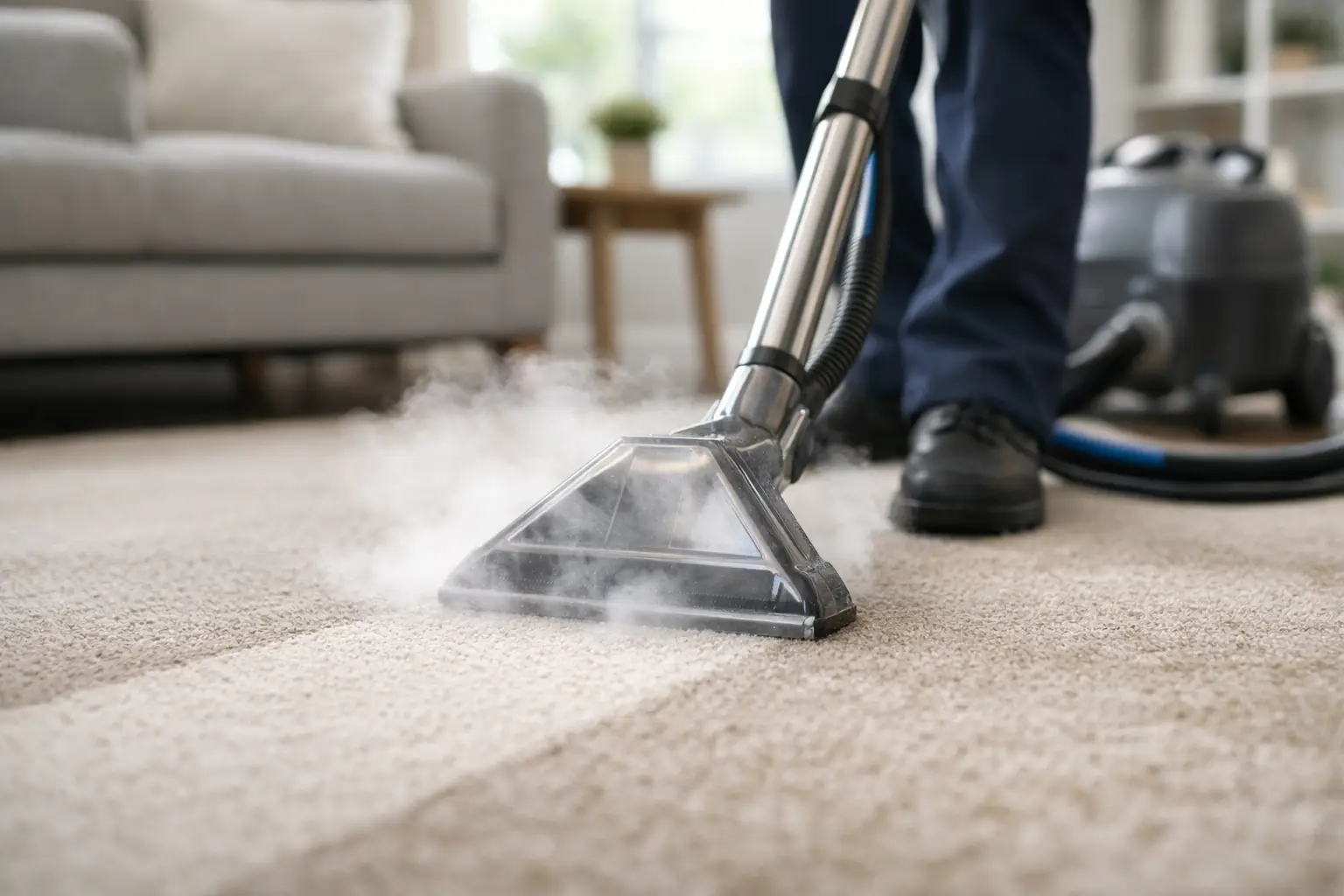
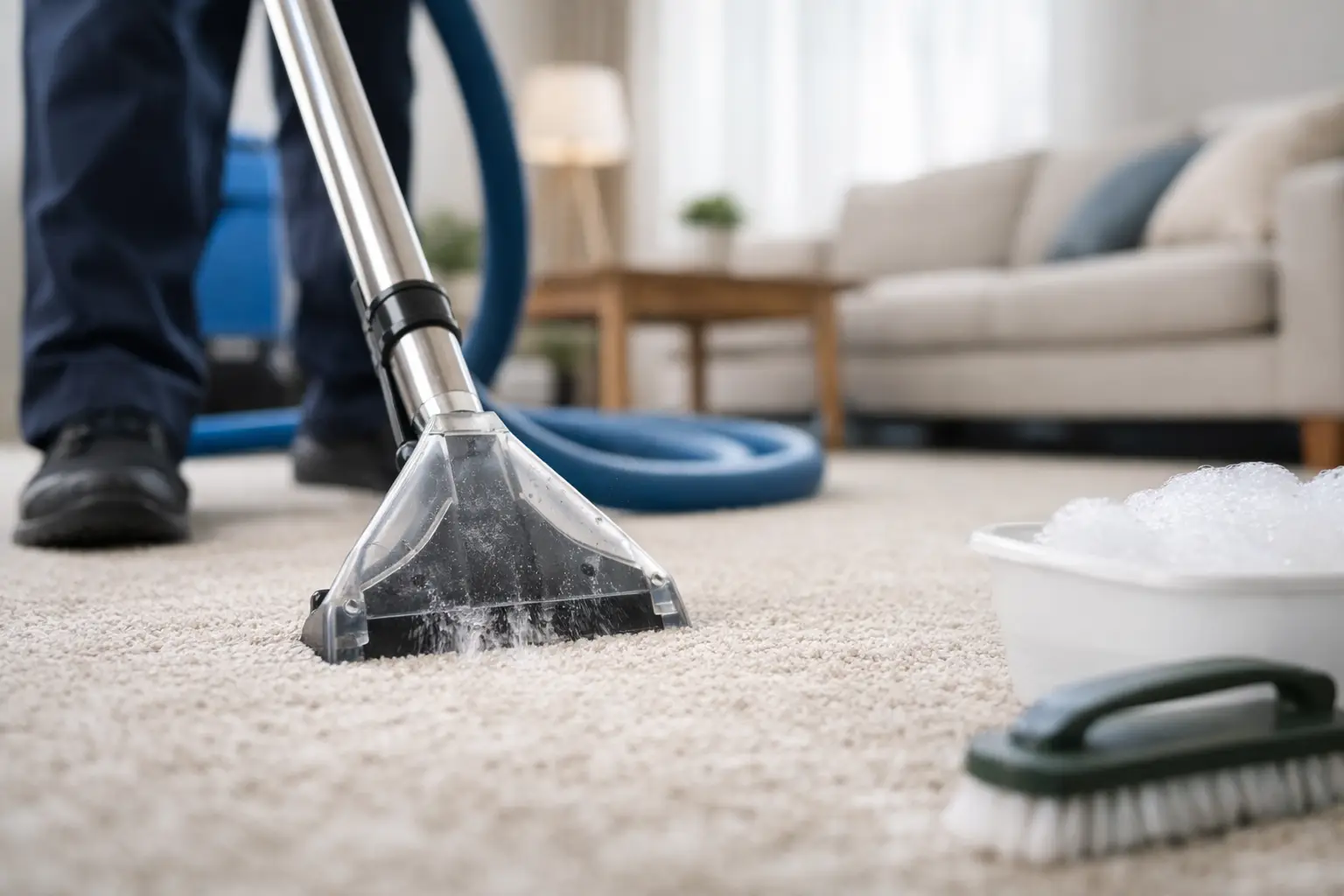
A carpet can look acceptable from across the room while holding weeks of tracked-in sand, pet hair, food crumbs, and residue below the surface. When homeowners ask how to deep clean carpet floor, the goal is not simply to make it smell better for a day. It is to remove embedded soil without leaving behind too much moisture, soap, or damage.
Deep cleaning is especially worthwhile after a busy season, before guests arrive, when a rental is being turned over, or when high-traffic paths begin to look darker than the rest of the room. The right method depends on the carpet fiber, the type of stain, and whether you have equipment capable of extracting the water you apply.
Start With the Carpet You Have
Before using a cleaning solution or rental machine, identify your carpet type if possible. Most wall-to-wall residential carpet is made from nylon, polyester, triexta, or olefin. These synthetic fibers generally tolerate water-based cleaning well when they are not oversaturated. Wool and other natural fibers require much more caution because strong alkaline cleaners, excessive heat, and aggressive scrubbing can cause color loss, shrinkage, or texture changes.
Check the manufacturer's care guidance if it is available. If it is not, test any cleaner in a hidden area such as a closet corner. Apply a small amount, blot it with a white towel, and allow it to dry completely. Look for color transfer, fading, or a stiff spot before treating a visible area.
Also consider the condition of the carpet. A lightly soiled bedroom may respond well to a careful home cleaning. Carpet with widespread pet odor, oily traffic lanes, repeated spills, or heavy commercial foot traffic often needs professional steam cleaning and extraction to achieve a truly refreshed result.
Gather the Right Supplies Before You Begin
A deep clean works best when preparation is complete. You will need a powerful vacuum with a clean filter or bag, a carpet-safe pre-treatment solution, white absorbent towels, a soft brush for spot treatment, and a carpet cleaning machine with good water extraction. Use only the cleaning formula recommended for your machine and carpet type.
Avoid using dish soap, laundry detergent, or excessive amounts of general household cleaners. They can leave a sticky residue that attracts new dirt quickly. Bleach and ammonia are also poor choices for carpet because they can discolor fibers and create unpleasant fumes.
If you rent a machine, inspect it before leaving the store. Confirm that the recovery tank, hoses, and upholstery tools are clean and that the machine has adequate suction. A machine that sprays but does not effectively recover water can leave the carpet wet long enough to create odors or encourage mold growth beneath the surface.
How to Deep Clean Carpet Floor Step by Step
Remove Furniture and Vacuum Thoroughly
Move lightweight furniture from the area whenever possible. Place foil or plastic tabs under the legs of heavier furniture that cannot be moved, especially wood or metal pieces that may stain damp carpet.
Then vacuum slowly in more than one direction. This step is often rushed, but it makes a major difference. Dry vacuuming removes loose grit and hair that a carpet cleaner may otherwise push deeper into the pile. Focus on entryways, hallways, seating areas, and the edges along baseboards.
Treat Stains Before Cleaning the Room
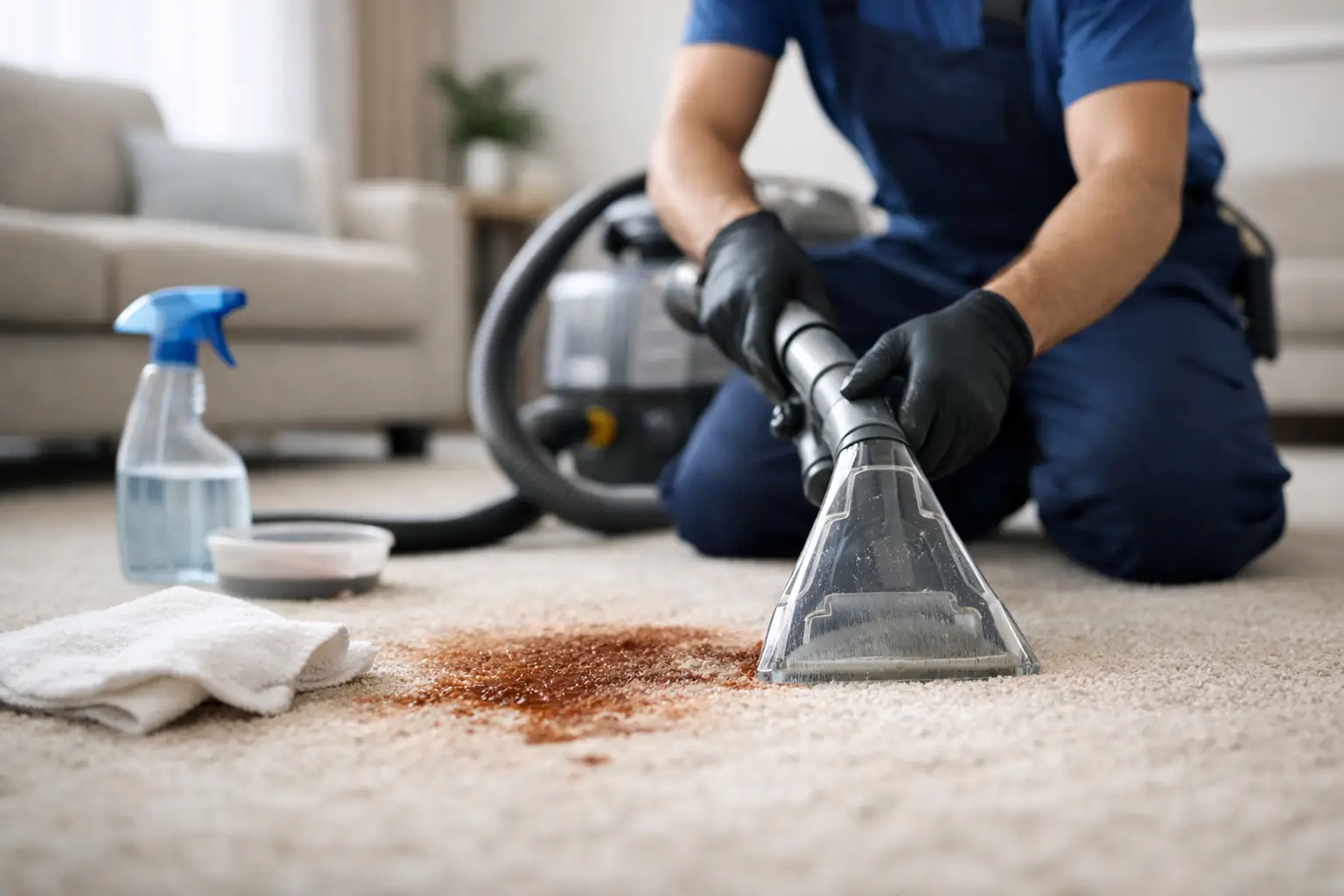
Address visible spots before running the machine. Blot fresh spills with a clean white towel rather than rubbing them, which can spread the stain or distort carpet fibers. Work from the outside edge of the spot toward the center.
Use a carpet-appropriate spot treatment for the stain at hand, whether it is coffee, food, pet urine, or grease. Follow the product directions and give it the recommended dwell time. For older stains, more than one gentle treatment may be needed. A stain that has been heat-set, repeatedly treated, or allowed to soak into the backing may require professional attention.
Pet accidents deserve special care. Surface cleaning can improve the appearance, but urine may have reached the padding or subfloor. An enzyme-based treatment can help with odor, yet persistent odor usually means the affected area needs a deeper inspection and targeted treatment.
Apply Solution Sparingly and Clean in Small Sections
Fill the cleaning machine with the proper amount of hot tap water and approved cleaning solution. Do not assume more solution will produce cleaner carpet. Overusing detergent is one of the most common causes of rapid resoiling.
Work in small, manageable sections, usually about 3 feet by 3 feet. Make one slow pass that applies solution, then make one or two slow passes with suction only. The extraction passes are as important as the washing pass because they remove loosened soil, cleaning solution, and moisture.
Do not rush across the room. A slow, controlled pace gives the machine time to pull moisture back out of the carpet. At the same time, avoid going over one area repeatedly with heavy spraying. Saturating the backing can leave the carpet damp for far too long.
Rinse When Residue Is a Concern
If the carpet was heavily soiled, if you used a pre-treatment, or if it feels slightly tacky after cleaning, perform a clear-water rinse pass. Put plain water in the machine according to its instructions and repeat suction-focused passes. This extra step helps remove residual cleaner and can improve how the carpet feels once dry.
For homes with children, pets, or frequent visitors, residue removal is particularly valuable. Carpet that is rinsed well tends to stay cleaner longer because it is less likely to attract dust and soil.
Dry the Carpet Quickly and Completely
Proper drying protects both the carpet and the space beneath it. Open windows when weather allows, run ceiling fans, and use portable fans to move air across the room. Keep the thermostat at a comfortable temperature and avoid closing up a humid room immediately after cleaning.
Most carpets should dry within six to 12 hours, though humidity, carpet thickness, padding, and extraction quality can extend that time. Keep pets, children, and foot traffic off the carpet until it is dry. Walking on damp carpet can flatten fibers and transfer soil from hard floors back onto the freshly cleaned surface.
If your carpet remains noticeably wet after 24 hours, increase air circulation and consider contacting a professional. Persistent dampness is not something to ignore, particularly in coastal Hampton Roads where humidity can slow drying.
When a Professional Cleaning Is the Better Choice
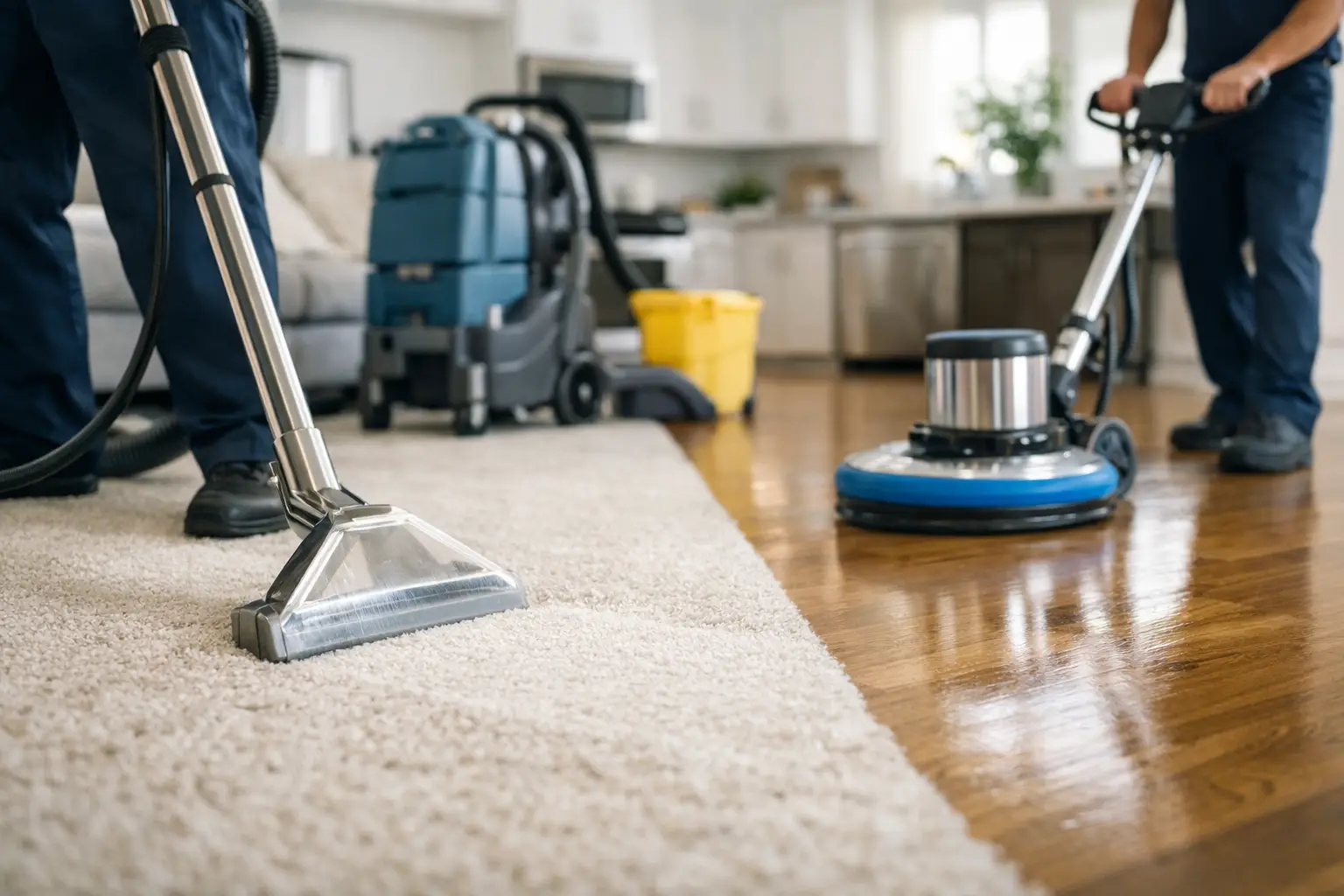
Home machines are useful for maintenance, but they have limits. Professional carpet cleaning equipment typically provides stronger agitation, hotter water when appropriate, and more powerful extraction than a consumer or rental machine. That combination is especially helpful for large areas, neglected carpet, commercial spaces, and properties preparing for a move-in or move-out.
Professional service is also a safer choice when you are dealing with delicate fibers, significant odor, stubborn stains, water damage concerns, or carpet that has been cleaned repeatedly without improving. An experienced technician can assess whether the issue is surface soil, residue, fiber wear, or contamination below the carpet.
For offices, apartment common areas, and other commercial properties, planned service also helps protect flooring assets and maintain a presentable environment for employees, tenants, and visitors. Regular cleaning is generally more cost-effective than waiting until traffic lanes become permanently worn or discolored.
All City Carpet Cleaning & Building Solutions brings professional care, efficient project management, and a satisfaction-focused approach to residential and commercial carpet cleaning throughout Hampton Roads.
Keep Deep-Cleaned Carpet Looking Better Longer
After the carpet dries, vacuum it again within a day or two to lift the pile and remove any remaining dry particles. Place mats at exterior doors, remove shoes indoors when practical, and vacuum high-traffic areas at least twice a week. Attend to spills promptly, before they can bond to the fiber or seep into the padding.
A good rule is to schedule a deep clean when your carpet starts showing traffic patterns rather than waiting until the whole room appears dirty. Consistent care helps preserve the color, feel, and useful life of the flooring beneath your feet.