Households dealing with allergies in Hampton Roads usually start by blaming pollen, and in April and May they are right. But people who feel worse indoors year-round, or who notice their symptoms are worst on waking, are usually dealing with something else entirely — and it is something the local climate is unusually good at supporting.
The dominant indoor allergen in a humid coastal home is the dust mite, and unlike pollen it does not have a season.
Why Humidity Is the Whole Story
Dust mites are microscopic, they live in bedding, upholstery, and carpet, and they eat the skin cells that people shed continuously. None of that is unusual — they exist in every home on earth. What varies enormously is how many.
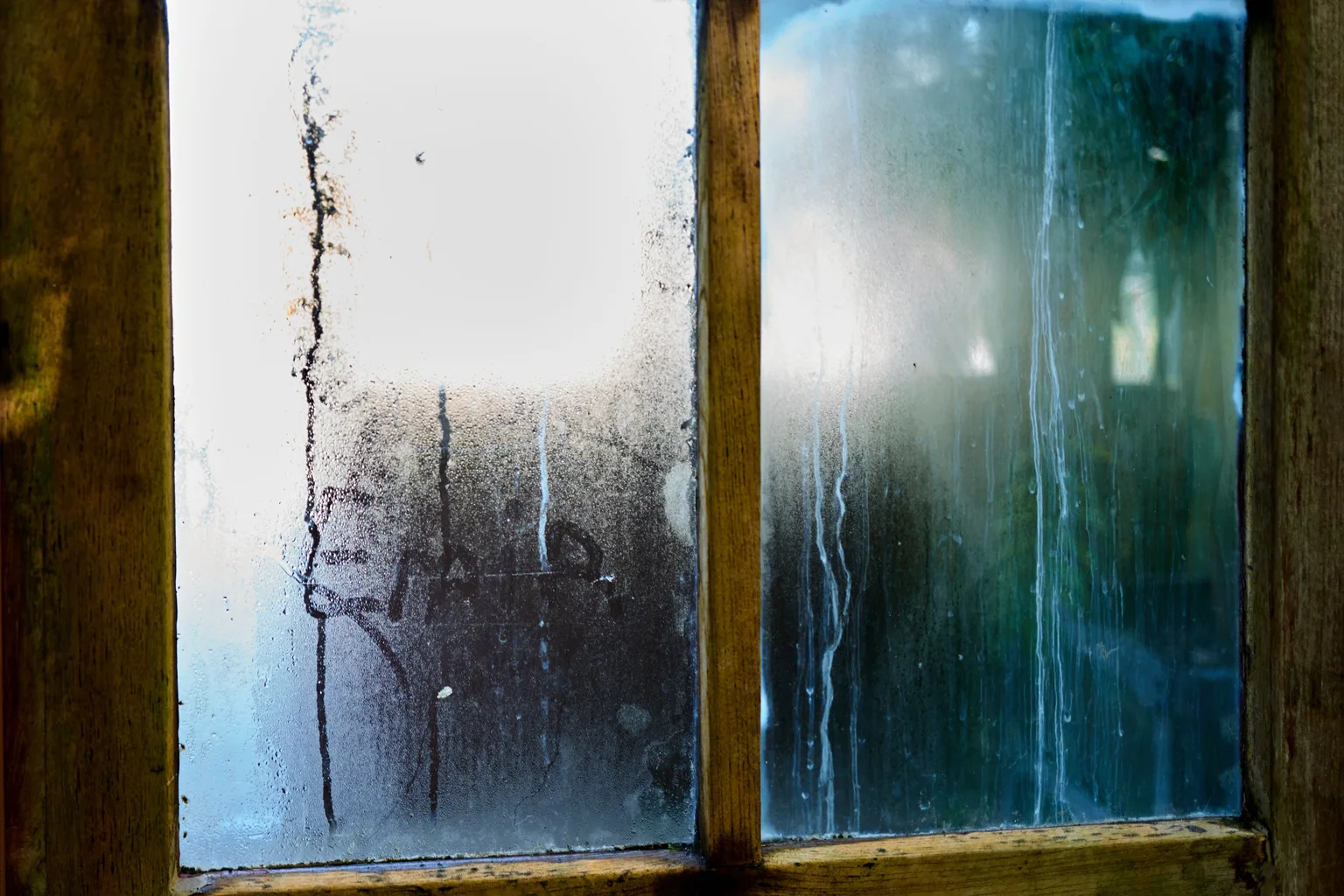
Dust mites cannot drink. They absorb moisture directly from the air, which means their population is governed almost entirely by relative humidity. Below roughly 50 percent they cannot maintain themselves and the population collapses. Above 60 percent they thrive.
Hampton Roads sits between the Atlantic and the Chesapeake Bay with summer dew points in the seventies for months. A house here that is not actively dehumidified spends a large part of the year in exactly the range mites prefer, which is why people who moved from a drier climate frequently report their allergies got dramatically worse after arriving.
The same threshold governs mold, and the two problems tend to arrive together. That makes a hygrometer — a ten-dollar humidity gauge — the single most useful thing an allergy household in this region can buy. It converts a vague problem into a number, and that number tells you whether you have a moisture issue at all.
The Bedroom Is Where It Counts
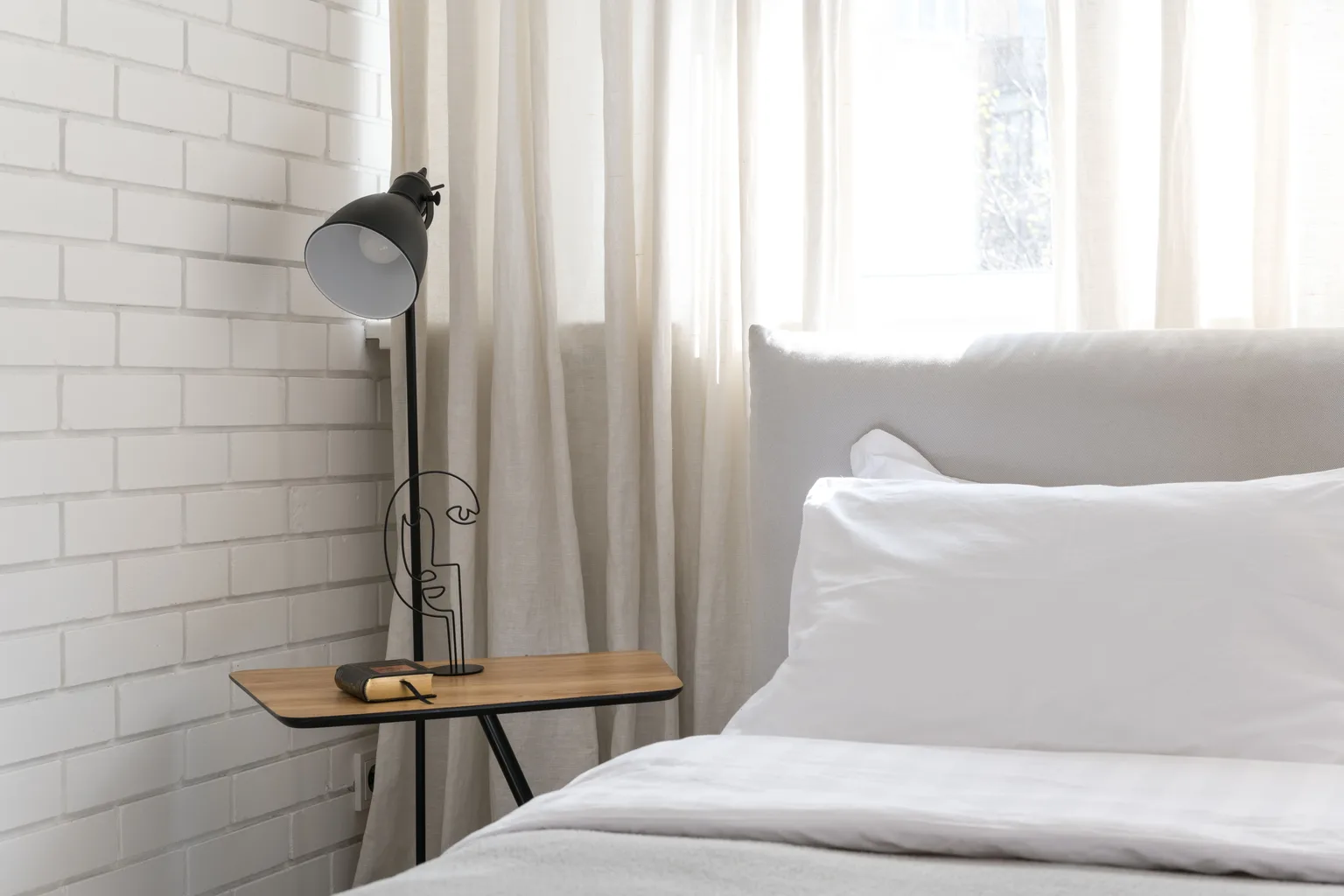
If effort has to be concentrated somewhere, concentrate it in the bedroom. Not because it is dirtier — usually it is the cleanest room in the house — but because of exposure time.
A person spends seven or eight uninterrupted hours there, breathing air within inches of a mattress that has been collecting skin cells and holding humidity every night for years. No other room comes close on exposure, which is why symptoms that are worst on waking point at the bedroom rather than at whatever happened during the day.
| Item | Why it matters | What to do |
|---|---|---|
| Mattress and pillows | Highest exposure, highest mite density | Zippered allergen-barrier encasements; replace pillows periodically |
| Bedding | Direct contact all night | Wash weekly in hot water |
| Carpet beside the bed | Where dust settles and gets disturbed daily | Slow vacuuming two or three times a week |
| Room humidity | Governs whether mites survive at all | Keep under 50 percent; check it with a gauge |
| Upholstered headboard and chair | Same reservoir as a mattress, never cleaned | Include in periodic professional cleaning |
| Curtains and blinds | Collect settled dust; rarely laundered | Wash or clean seasonally |
Mattress encasements are the highest-return item on that list and the least glamorous. A tightly woven zippered cover puts a physical barrier between a person and the largest allergen reservoir in the house, and it works immediately rather than gradually.
Is Carpet Good or Bad for Allergies?
This is argued about more than it should be, and the honest answer depends entirely on maintenance rather than on the flooring.
Carpet is a filter. Fibers capture particles and hold them near the floor rather than letting them circulate in the air people breathe. That is genuinely useful — it is why a well-maintained carpeted room can have lower airborne particulate than a hard-floored one.
The catch is what a filter does when it is never emptied. A carpet holding years of accumulated dust becomes a reservoir, and every footstep acts as a small bellows pushing that material back into the room. At that point it is worse than a hard floor, and the people who insist carpet causes allergies are describing this situation accurately.
So the question is not carpet versus hardwood. It is whether the reservoir gets emptied. A carpet vacuumed properly and extracted on a real schedule is an asset; the same carpet ignored for six years is a liability. That is a maintenance decision rather than a flooring decision.
What Cleaning Genuinely Does
Vacuuming manages the surface layer. It does not empty the reservoir, because fine particulate bound into the fiber by body oils and household soil does not release to dry airflow.
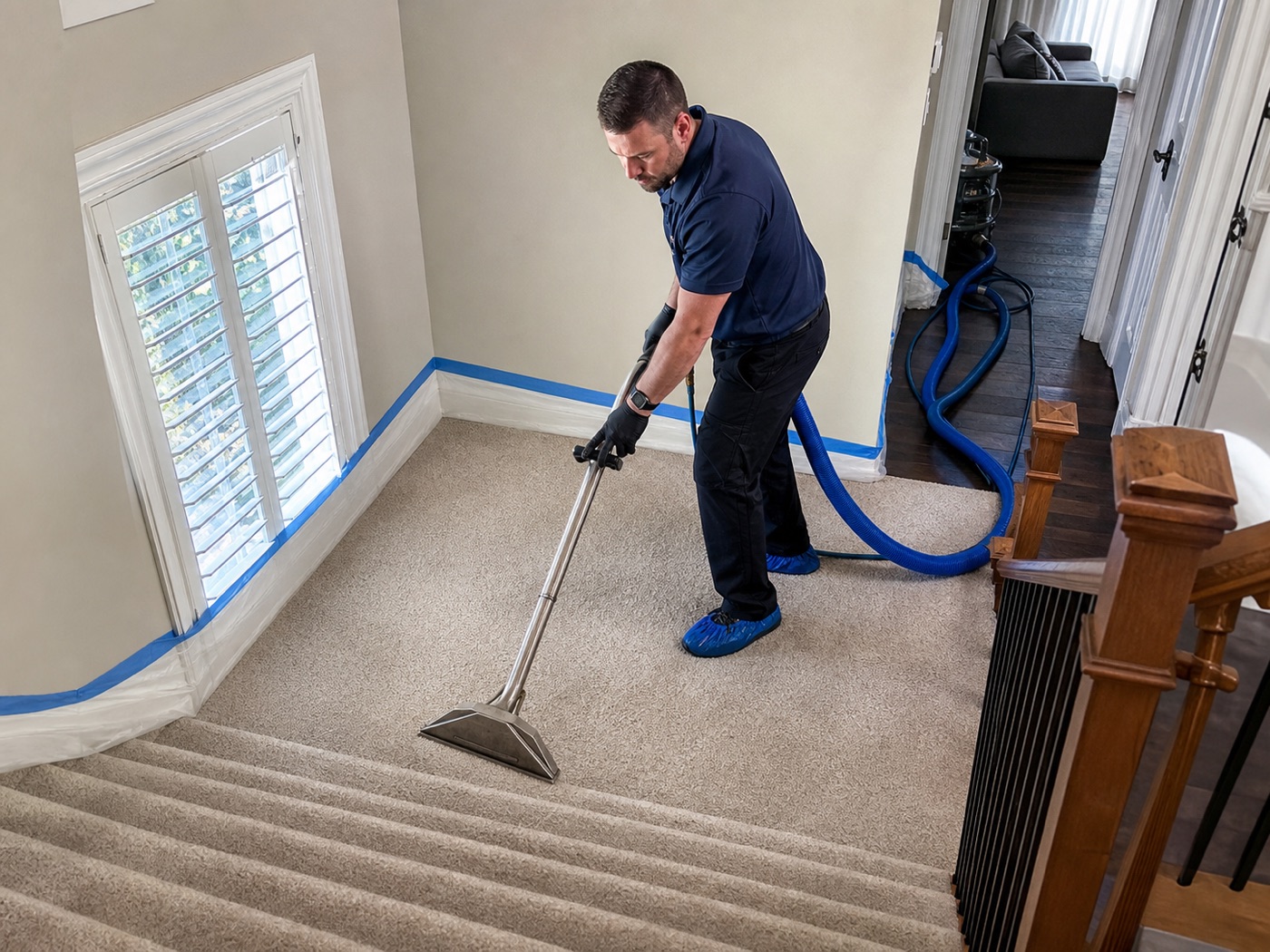
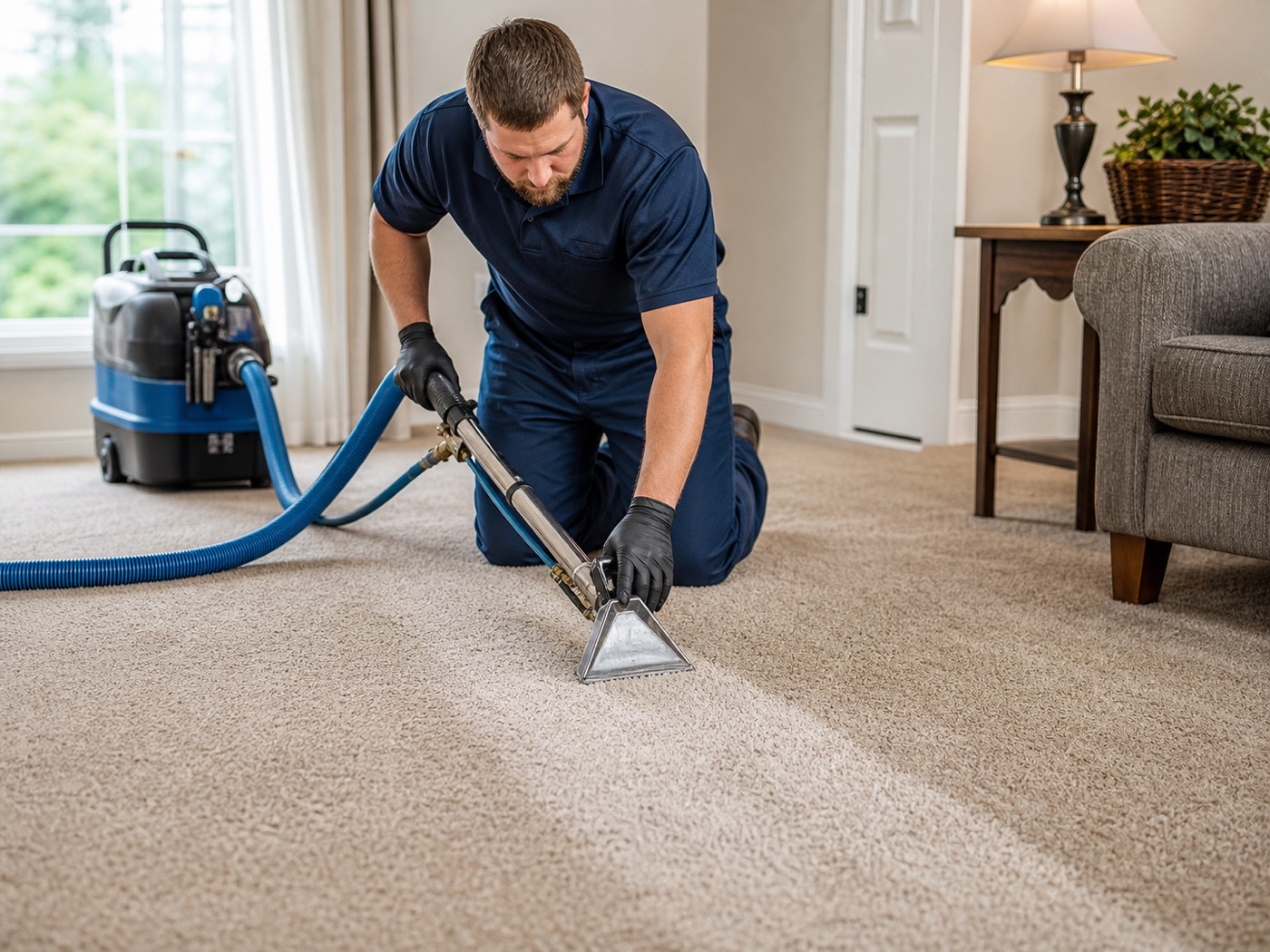
Hot water extraction does. Heated solution breaks the bond, agitation frees the material, and vacuum recovery removes it along with the water — including dust, dander, dead mite bodies, and the waste proteins that are the actual allergen. That is a real and measurable reduction in what is in the floor.
Two things make the difference between a cleaning that helps and one that does not. The first is rinsing: detergent left in the fiber attracts soil, so a carpet cleaned with too much product and too little rinse re-soils faster than it would have. The second is drying. A floor that stays damp for two days in a humid house is creating exactly the conditions mold and mites need, which turns a helpful service into a counterproductive one.
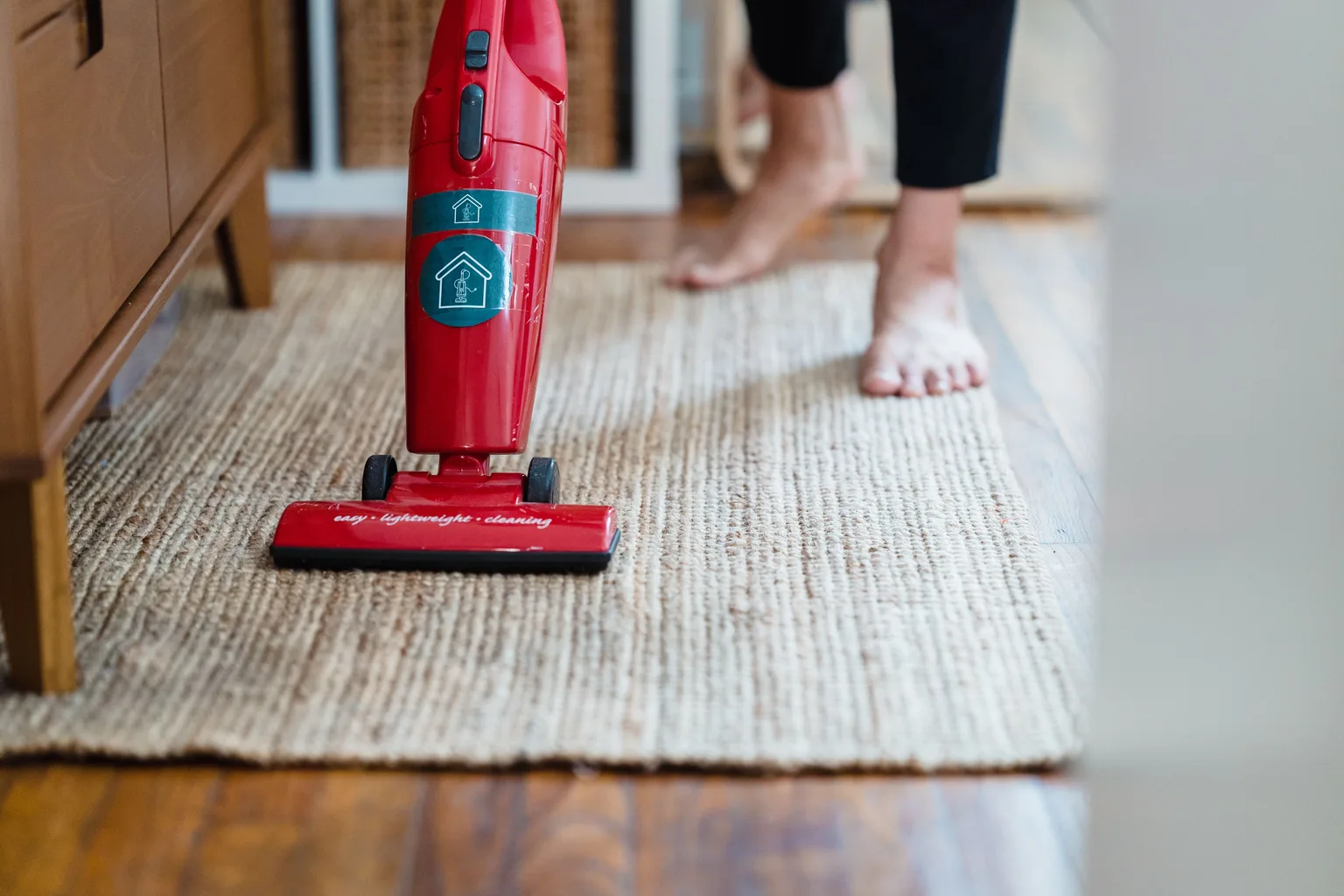
For vacuuming between visits, technique matters more than the machine. Move slowly — roughly one pass per second — because airflow needs time to reach the base of the pile. Use a vacuum with a genuinely sealed filtration path; a leaky machine takes fine particulate in at the floor and discharges it back into the room air, which is worse than not vacuuming.
The Other Coastal Allergen
Mold deserves its own mention, because in this region it runs alongside dust mites rather than instead of them, and it is frequently the piece that gets missed.
Outdoor mold spore counts stay elevated here through much of the year — the climate is warm, humid, and heavily vegetated, and there is standing water everywhere. Those spores come indoors on clothing and through open doors the same way pollen does, and they behave the same way once inside: settling into soft surfaces and waiting for moisture.
The indoor version is more consequential. A crawlspace under an older Norfolk or Portsmouth home, an HVAC condensate line, a slow plumbing leak, or simply a room that never gets airflow all produce sustained damp conditions, and mold establishes reliably in them. That is a different problem from tracked-in spores and it needs a different response — finding and correcting the moisture source rather than cleaning the surface again.
The diagnostic overlap with allergies is useful. Symptoms that are worse in one particular room, worse in summer, or accompanied by a musty smell point at indoor mold rather than at pollen or mites. That pattern is worth following, because cleaning the carpet in a room fed by a damp crawlspace produces about ten days of improvement and then returns to where it started.
The Rest of the House
Households that clean the carpet and change nothing else usually report modest improvement, and then conclude that carpet cleaning does not help. The carpet was one reservoir among several.
- Get the humidity under 50 percent and verify it with a gauge rather than assuming.
- Encase the mattress and pillows, and wash bedding weekly in hot water.
- Change HVAC filters on schedule, and more often during pollen season.
- Vacuum slowly and frequently, especially the bedroom, with a sealed machine.
- Have carpet and upholstery professionally cleaned every six months rather than annually.
- Wipe down pets after they come in, and keep them off the bed if symptoms are significant.
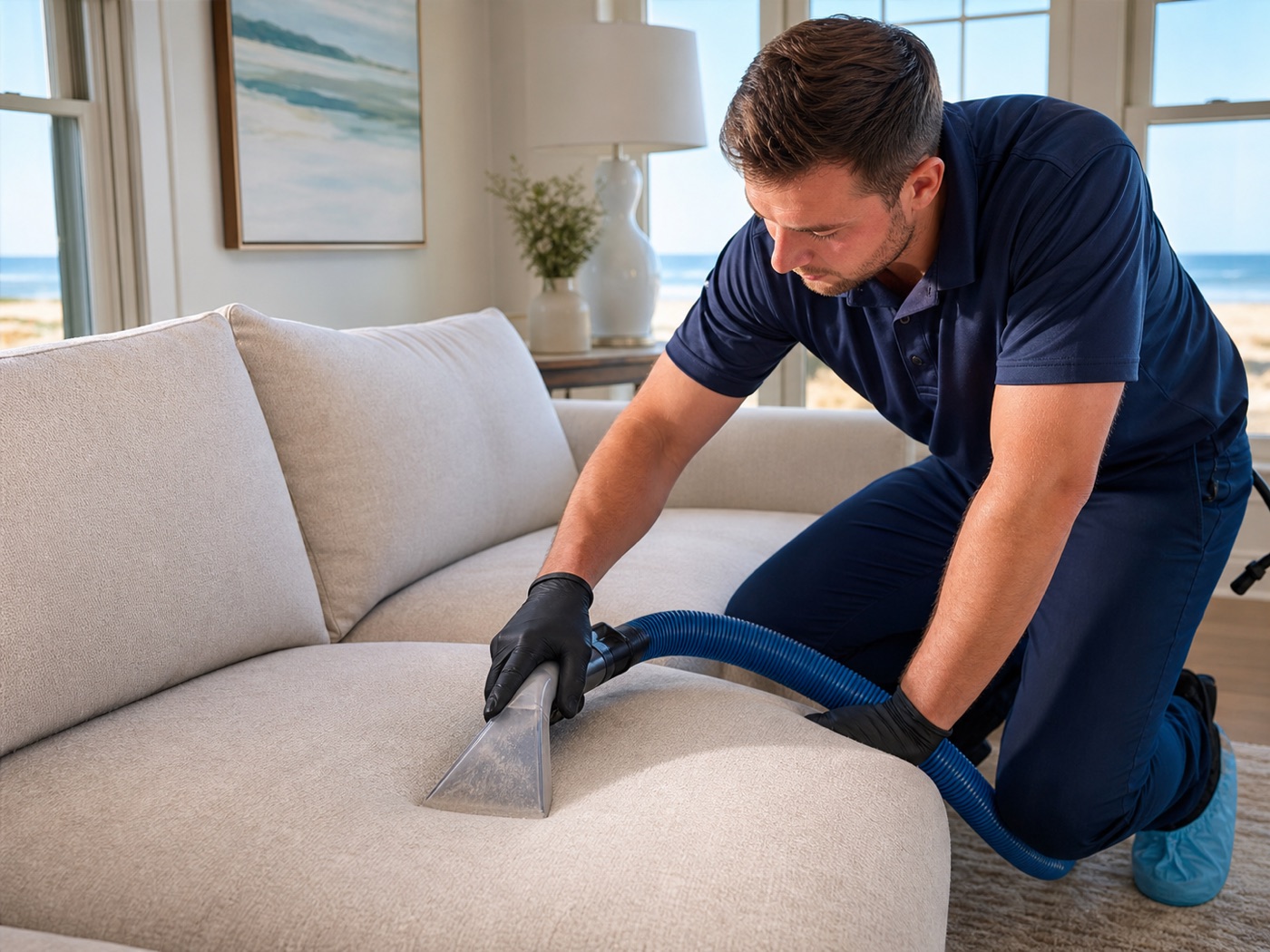
Upholstery belongs on that list more than most people realize. A sofa is a mattress that people sit on — the same fill, the same fabric, the same accumulation, and no equivalent of weekly laundering. In a living room where someone reacts noticeably, the seating is frequently a bigger contributor than the floor.
And in spring, layer the seasonal work on top. Tree pollen here peaks in April and May, and a cleaning timed as that curve falls clears a full season of accumulation rather than fighting a reservoir that is still being refilled daily.
The Short Version
Get the humidity under fifty percent, because that is what decides whether dust mites and mold can live in your house at all. Concentrate on the bedroom, because that is where the exposure hours are. Treat carpet as a filter that has to be emptied rather than as a problem to remove. And do the bedding, the upholstery, and the filters at the same time, or the result will disappoint.
Nobody in this trade should tell you that cleaning cures allergies. What it does is reduce one significant indoor reservoir, and in a household that also controls the moisture, that reduction is genuinely worth having.