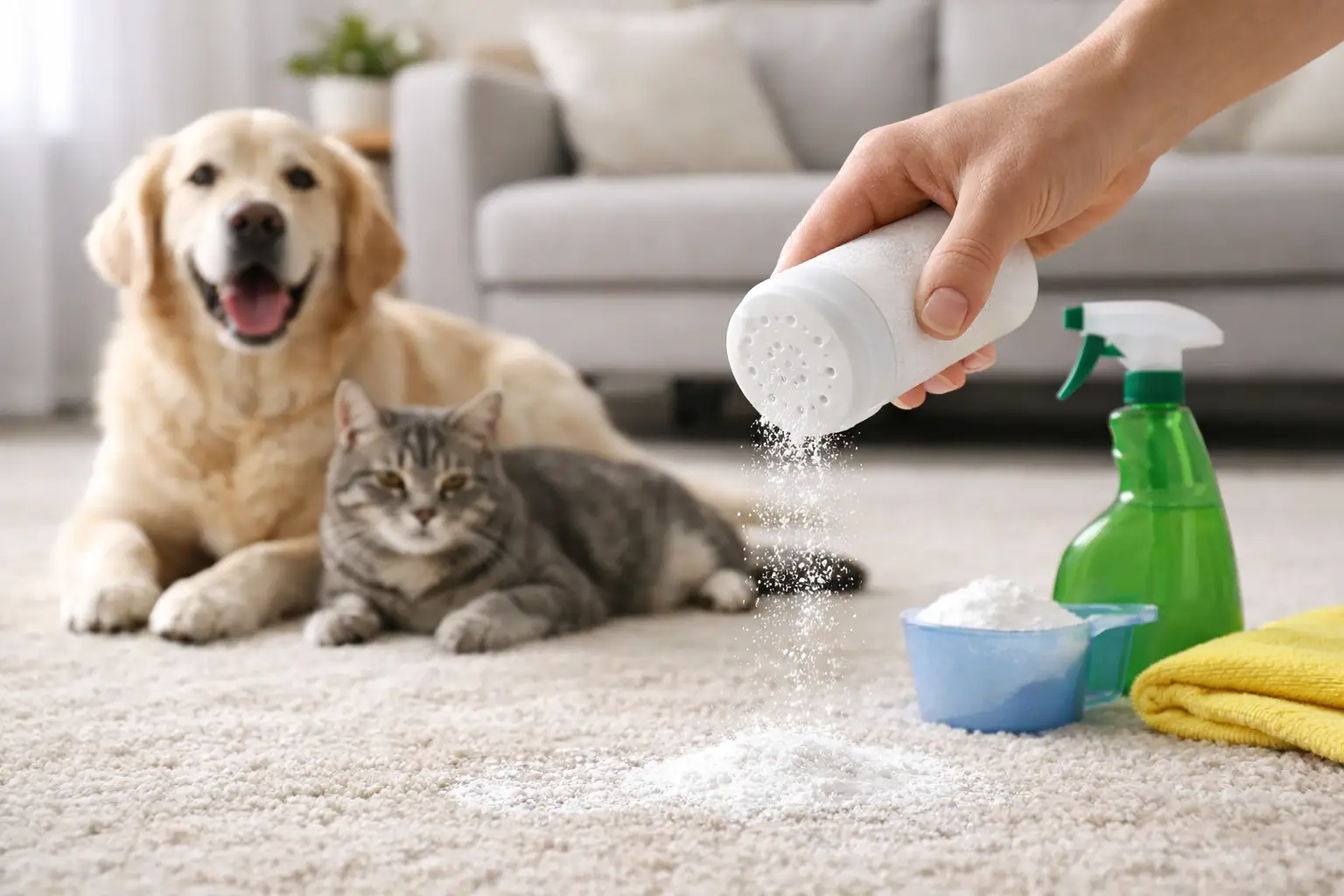
Most advice about carpet cleaning and pets is written with a single pet in mind — one dog, one cat, occasionally a household with one of each. That guidance tends to understate what a genuinely multi-pet household actually needs, and a lot of families with two, three, or more animals end up following a cleaning schedule built for a problem smaller than the one they actually have.
The core issue is that pet-related soil and odor in carpet does not scale in a simple additive way as pet count goes up. Two dogs do not just produce twice the shedding and twice the odor risk of one dog living in the same house. They interact with each other's presence in ways that push the real cleaning need higher than a straightforward doubling would suggest.
Why Multi-Pet Load Compounds Rather Than Adds
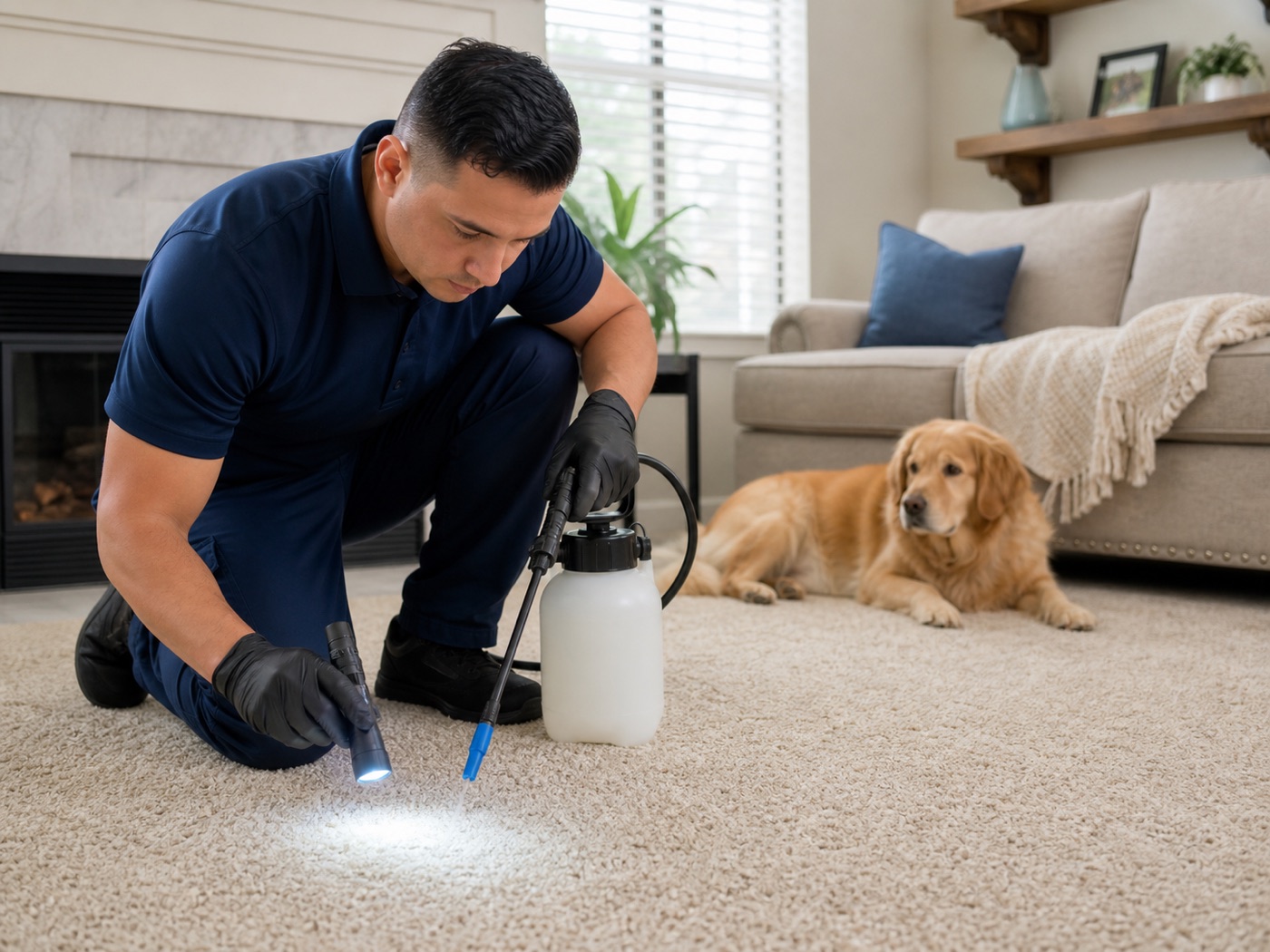
Scent marking behavior is the clearest example. A single pet that has an accident on carpet leaves a spot that, if cleaned properly, is resolved. In a multi-pet household, other animals can detect that scent even after visible cleanup, and it is common for a second or third pet to be drawn to mark the same general area, effectively re-seeding a spot that seemed handled.
Shedding and dander work similarly. Multiple animals shedding into the same carpeted rooms create layered buildup in the fiber and pad that is harder to fully clear with routine vacuuming, since dander from one animal settles into fiber that is already carrying dander from another, and the combined density becomes noticeable to human noses well before any single pet's contribution would be on its own.
There is also a simple traffic factor. More pets generally means more movement through the house — more trips in and out for walks, more play activity, more general wear on carpet in the rooms pets favor — which accelerates soil buildup in exactly the areas already carrying the heaviest dander and odor load, and that accelerated wear pattern is easy to underestimate until it is compared directly against a single-pet household covering the same square footage.
How Standard Frequency Guidance Falls Short
General cleaning-frequency guidance by household type usually treats 'has pets' as a single category, sometimes with a note that more pets means more frequent cleaning, without much specificity beyond that.
That framing is a reasonable starting point but understates the real gap between a one-pet household and a three-pet household. A single well-trained cat living mostly on hard flooring has a genuinely light carpet impact. Two large dogs with regular outdoor access, tracking in yard debris and shedding through shared living spaces, represents a categorically different load — not twice as much, but compounding in the ways described above.
Households sometimes notice this gap the hard way — following what seemed like reasonable single-pet guidance, then being surprised when odor or visible wear shows up faster than expected once a second or third animal joined the household.
What a Realistic Schedule Looks Like
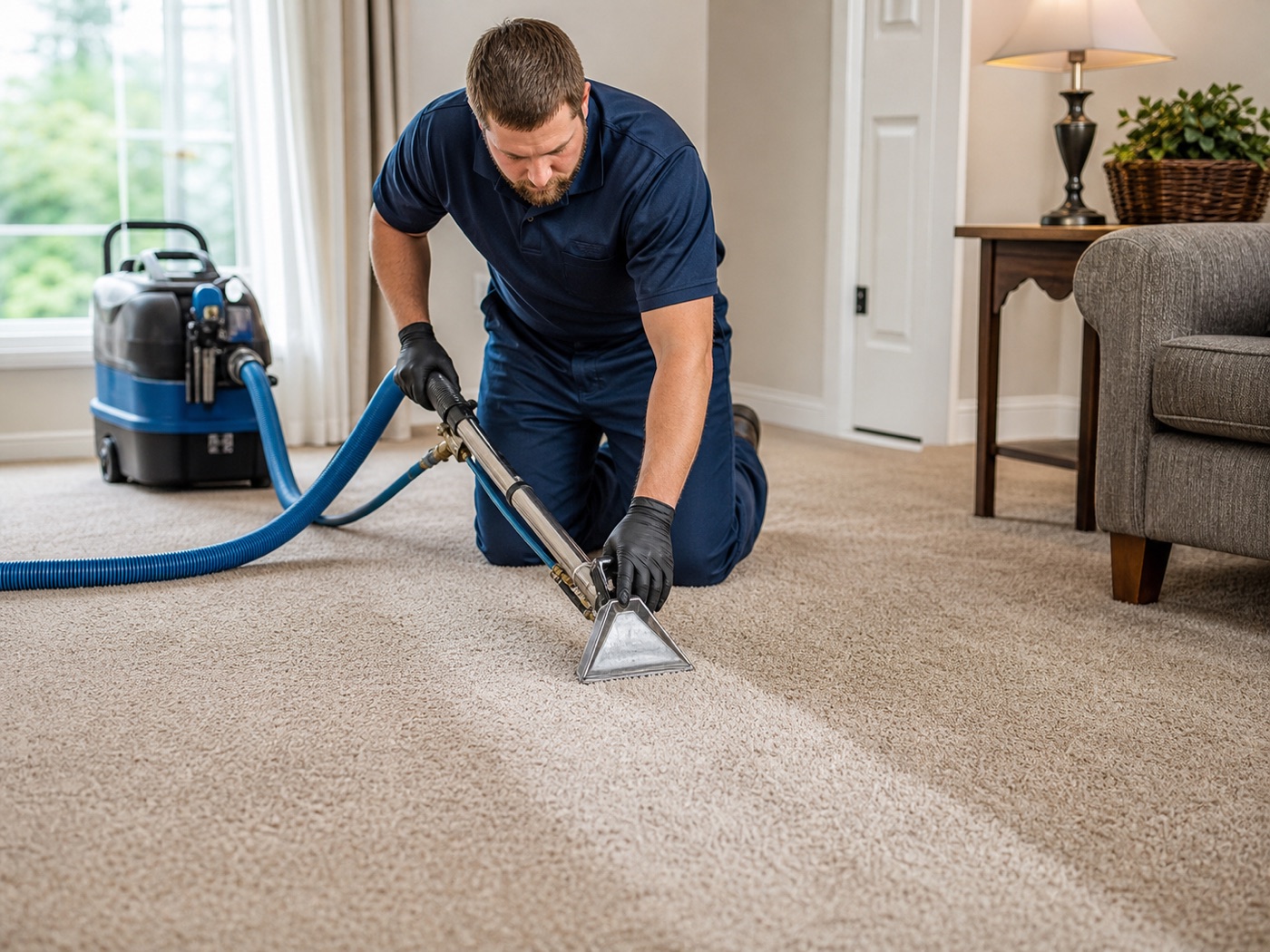
For most multi-pet households in Hampton Roads, professional cleaning every three to four months is a reasonable baseline, adjusted down toward every two to three months for larger households, bigger dogs, or homes with a lot of carpeted square footage relative to hard flooring where pets naturally spend more time.
This is separate from handling individual accidents as they happen, which should always get prompt spot treatment regardless of where the household sits in its regular cleaning cycle. Letting an accident sit until the next scheduled cleaning, even a fairly frequent one, gives it time to set into the pad and become a harder, more expensive problem to fully resolve later.
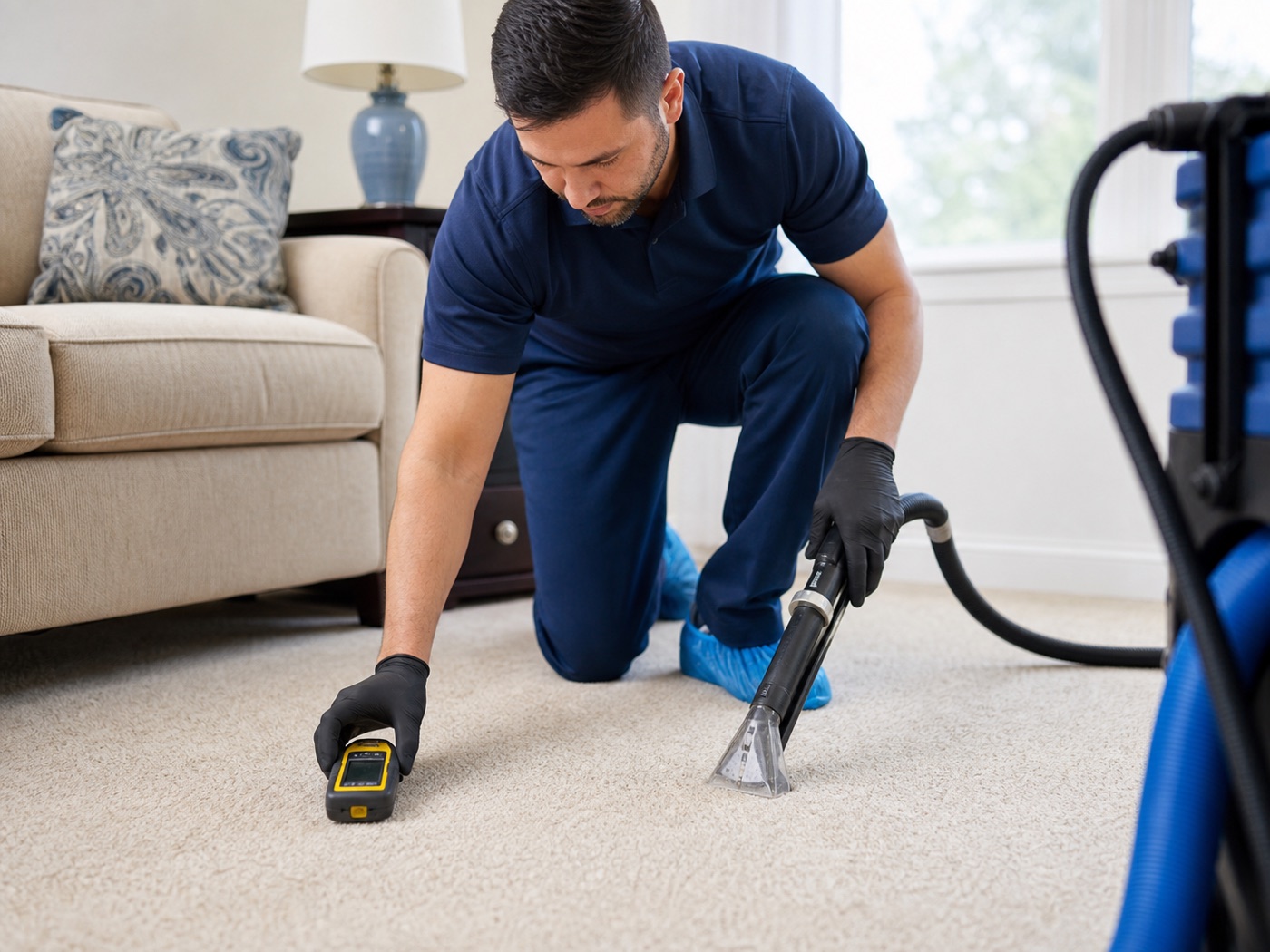
Between professional visits, regular vacuuming — ideally more than once a week in a multi-pet home — helps manage surface-level shedding and dander, but it is not a substitute for periodic deep cleaning that reaches the pad, where a meaningful share of accumulated odor in multi-pet households actually lives.
Different Pet Types Create Different Load
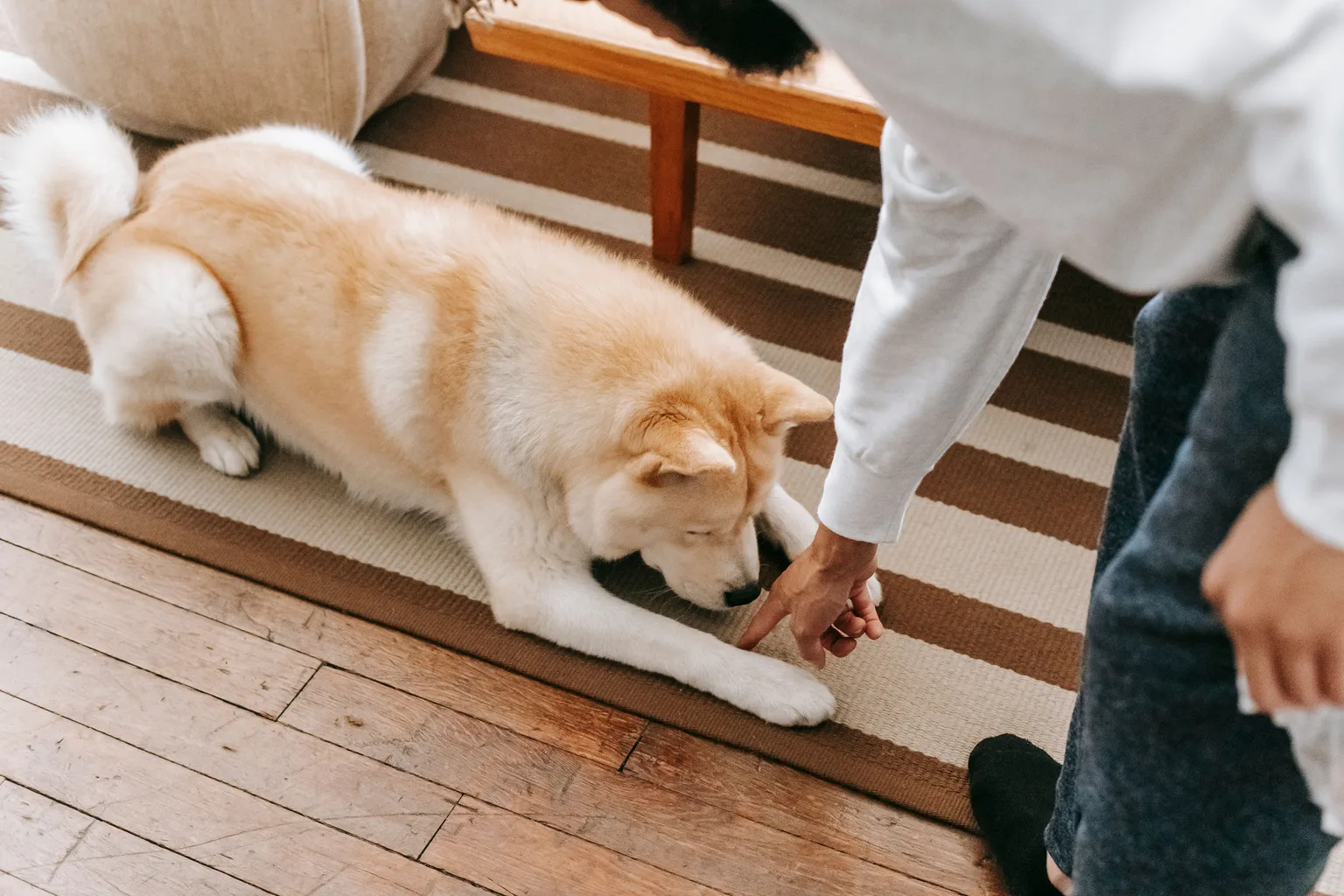
Pet count is one factor, but the type of pet matters almost as much. Dogs, especially larger breeds with regular outdoor access, track in far more debris and moisture than cats typically do, and their accidents tend to be larger in volume, which means a household with two large dogs often needs more frequent attention than a household with two cats of similar overall size and disposition.
Cats concentrate their impact differently — heavier localized marking around specific furniture or room corners rather than distributed foot traffic wear, along with dander that spreads more broadly through the air than dog dander tends to. A household mixing both species often sees the widest range of carpet impact, from concentrated cat-marking spots to broad dog-traffic wear patterns across the same rooms, which argues for professional cleaning on the shorter end of the recommended range.
Age and training also factor in. A household with an older, fully house-trained pet population generally sees less accident-driven load than one with a new puppy or kitten still learning, even if the total pet count is the same. Adding a young, untrained animal to an already multi-pet household is often the point where families need to shorten their cleaning interval the most noticeably.
Signs the Current Schedule Isn't Enough
A few practical signals suggest a multi-pet household needs to shorten its cleaning interval rather than staying on a schedule that once felt adequate. Odor that returns within a few weeks of a professional cleaning, rather than staying manageable for the full interval, is one of the clearest signs the current frequency is not keeping pace with the household's actual load.
Visible matting or dulling in high-traffic pet areas well before the next scheduled cleaning is another. So is a noticeable difference in how a room smells immediately after vacuuming compared to a day or two later, which often points to residue and dander sitting deeper in the carpet than routine vacuuming can reach.
- Odor returns within weeks of a professional cleaning rather than lasting the full interval
- Visible matting or wear in pet-favored areas ahead of the next scheduled visit
- A room smells noticeably different a day or two after vacuuming than right after
- A new pet joining the household without any adjustment to the existing cleaning schedule
Budgeting for a Shorter Cleaning Interval
A shorter cleaning interval does mean a higher annual cleaning cost than a single-pet household would face, and it is worth thinking about that as a predictable line item rather than a surprise expense that shows up whenever the smell finally becomes noticeable. Households that budget for quarterly cleaning tend to have a more consistent experience with odor and appearance than those who wait until a problem is obvious and then schedule reactively, both in terms of cost per visit and in how the home actually smells and looks day to day.
Some households find a middle path by handling lighter maintenance cleaning themselves between professional visits — spot treatment for fresh accidents, more frequent vacuuming, and periodic use of a pet-safe enzymatic spray on known trouble areas — while still keeping the professional deep cleaning on a fixed quarterly or bimonthly schedule rather than skipping it entirely whenever things seem to be reasonably under control on the surface.
It is also worth revisiting the schedule any time the household composition changes — a new pet added, an older pet passing away, or a pet spending significantly more or less time on carpeted areas than before. A schedule set once and never reconsidered tends to drift out of sync with what the household actually needs, in either direction, over the course of a few years, leaving either unnecessary cost or an odor problem quietly building in the background.
All City Carpet Cleaning And Building Solutions works with multi-pet households across Virginia Beach, Norfolk, Chesapeake, Suffolk, Hampton, Portsmouth, and Smithfield to build a realistic cleaning schedule, with clear pricing published for every service level.