Smoke can settle into carpet long after the air in a room seems clear. To remove smoke odor from carpet effectively, you need to address more than the surface fibers. Smoke particles can cling to carpet pile, padding, tack strips, subflooring, and even nearby upholstery, which is why a quick spray or scented powder often provides only temporary relief.
The right solution depends on what caused the odor, how long it has been present, and how deeply it has traveled into the flooring. A light odor from occasional cooking or a brief fireplace issue may respond well to careful at-home cleaning. Persistent cigarette smoke, heavy kitchen smoke, or odor after a fire usually calls for professional deodorizing and carpet cleaning.
Why Smoke Odor Lingers in Carpet
Smoke contains tiny particles, oils, and residues that settle wherever air moves. Carpet is especially likely to hold those particles because its fibers create a large surface area. Foot traffic can press residue deeper into the pile, while humidity may reactivate the smell days or weeks later.
Cigarette and cigar smoke can be particularly difficult because it leaves behind sticky residue that attracts dust and holds odor. Smoke from a burned meal may be easier to treat if it is cleaned promptly. After a fire, however, odor can be tied to soot, damaged materials, and contamination below the carpet itself.
That distinction matters. Carpet shampoo alone may make a carpet look better while leaving odor-causing residue behind. Effective treatment combines soil removal, odor neutralization, proper drying, and, when needed, cleaning or replacing affected materials beneath the carpet.
Start With Safe, Dry Cleaning Steps
Before introducing moisture, remove as much dry residue and loose soil as possible. Open windows if outdoor conditions allow, and use fans to improve air movement. Fresh air will not eliminate smoke residue, but it can make the cleaning process more comfortable and help the carpet dry afterward.
Vacuum the carpet slowly and thoroughly, including along baseboards, under furniture, and in corners. A vacuum with strong filtration is preferable, particularly when fine soot or ash may be present. Avoid aggressively brushing visible soot into the carpet, since that can grind oily particles further into the fibers.
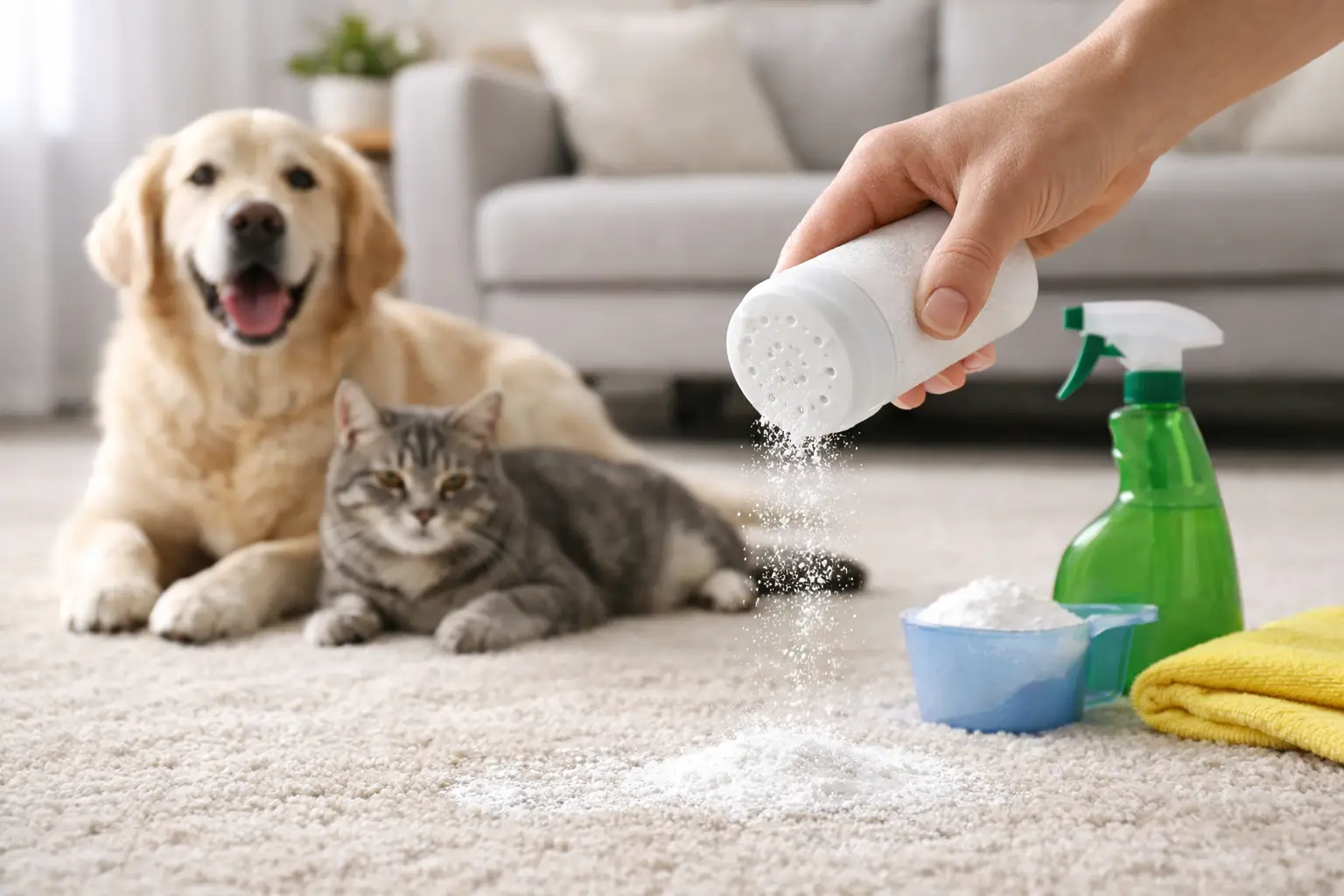
For a mild, dry odor, baking soda can help absorb some surface smell. Apply a light, even layer, allow it to sit for several hours or overnight, and vacuum it completely. This can be useful as a short-term refresh, but it should not be treated as a permanent solution for embedded smoke odor.
Do not use scented powders to cover the problem. Their fragrance may combine with smoke odor rather than remove it, and excess powder can remain in the carpet or interfere with later professional cleaning.
How to Remove Smoke Odor From Carpet at Home
If the odor is mild and there is no fire-related damage, a careful deep cleaning may improve the carpet substantially. Begin by checking the carpet manufacturer's care guidance, especially if you have wool, natural-fiber, or specialty carpeting. Using the wrong product or too much moisture can cause color loss, shrinkage, or backing damage.
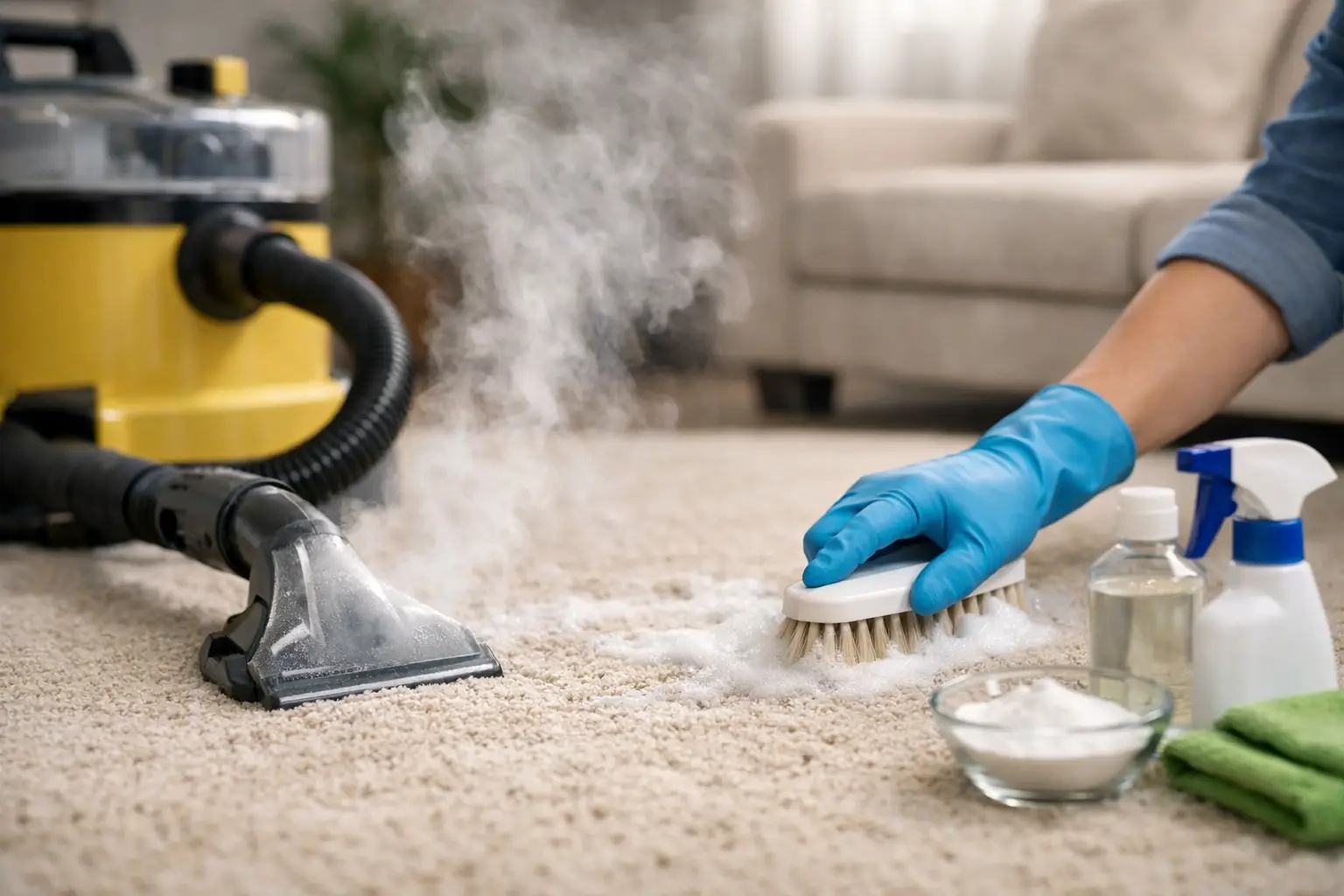
Use a carpet cleaning solution designed to neutralize odors, not simply add fragrance. Follow the dilution instructions closely. More solution is not better. Overapplying cleaner can leave residue behind, attracting soil and making the carpet feel stiff after it dries.
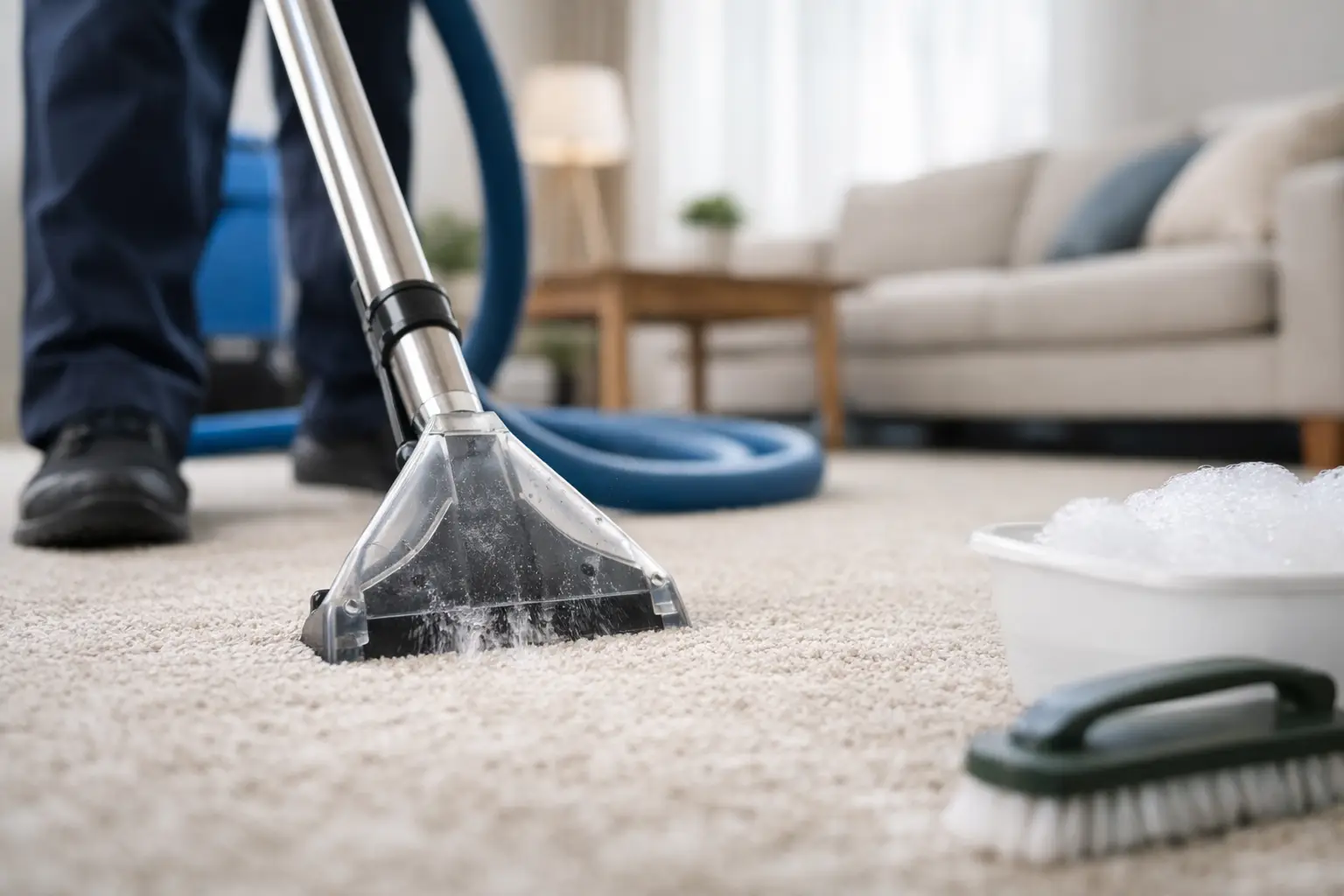
A rental extractor or home carpet cleaning machine can help remove residue from the carpet pile when used correctly. Make steady passes, avoid soaking the carpet, and make extra dry passes to pull out as much moisture as possible. The carpet should dry quickly with good ventilation, fans, or air conditioning.
Drying is a critical part of the process. A carpet that remains wet for too long can develop musty odors and create an entirely new problem. If the padding feels damp after a day, or the carpet has a sour smell as it dries, stop adding products and consider professional help.
Vinegar is sometimes suggested as a household odor remedy, but it is not right for every carpet or every smoke issue. It may help with certain light odors when properly diluted, yet its acidity can be unsuitable for some fibers and may leave its own temporary smell. Never mix vinegar with other cleaning chemicals, and do not use it on delicate carpet without testing an inconspicuous area first.
When the Odor Is Coming From the Padding or Subfloor
A carpet can hold odor, but it is not always the main source. Smoke may have penetrated the carpet padding, especially after prolonged indoor smoking or a fire. In severe cases, residue can settle into the subfloor, baseboards, walls, HVAC system, and furniture.
Signs that the odor has moved beyond the carpet include a smell that returns after cleaning, stronger odor on humid days, persistent odor near walls or room edges, or a noticeable smell even after the carpet has been removed. If those conditions are present, surface cleaning is unlikely to provide lasting results.
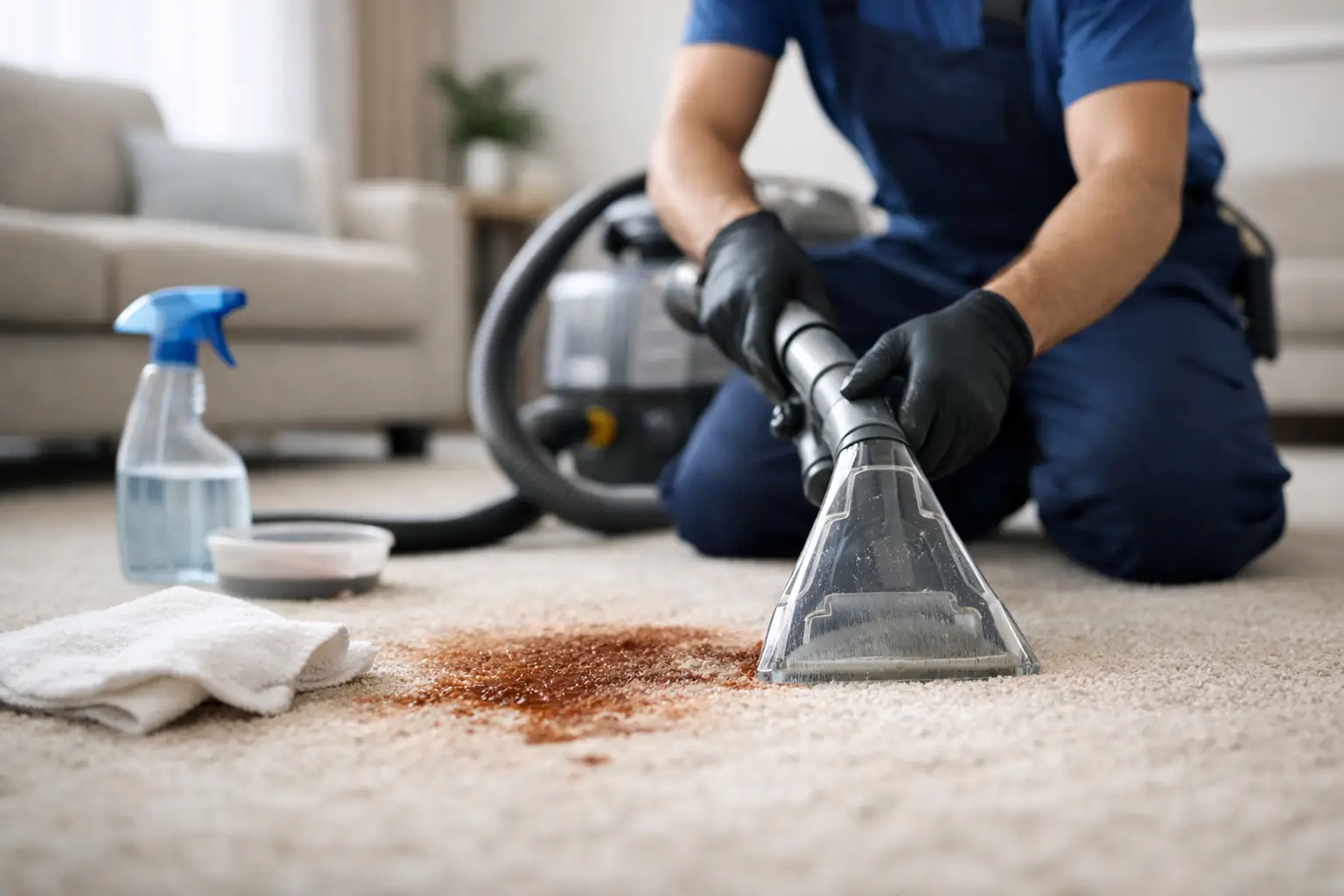
Professional carpet cleaning can extract deeply embedded soil and apply commercial-grade deodorizing treatments that work at the source of odor. Depending on the situation, a cleaning professional may recommend hot-water extraction, targeted odor neutralizers, treatment of the padding, or additional building-cleaning services. If padding or subflooring is heavily contaminated, replacement or specialized restoration may be the most practical option.
This is especially true after a fire. Fire-related smoke and soot can contain substances that should not be handled casually. If there is visible soot, charring, water damage from firefighting efforts, or a strong lingering odor throughout the property, contact your insurance provider and a qualified restoration professional before attempting extensive DIY cleaning.
Common Mistakes That Make Smoke Odor Worse
The most common mistake is trying to mask the odor before removing the residue. Candles, air fresheners, and heavily scented carpet products can make a room smell stronger without making it cleaner. They may also make it harder to tell whether the underlying problem has been resolved.
Another issue is overwetting the carpet. Repeatedly spraying cleaners or running a rental machine over the same area can saturate the backing and padding. That increases drying time and may create conditions for mildew or additional odor.
It is also easy to overlook connected surfaces. If carpet smoke odor returns shortly after cleaning, inspect upholstered furniture, curtains, vents, walls, and entry rugs. Smoke travels through the home or office as a whole. Cleaning only one affected surface may produce an incomplete result.
Choosing Professional Smoke Odor Removal
Professional service is often the best choice when smoke odor is noticeable to guests, tenants, employees, or customers. It is also a practical option when you are preparing a rental turnover, listing a home, reopening a workspace, or restoring a room after a smoke incident. A clean, neutral-smelling carpet helps a property feel cared for from the moment someone enters.
Ask whether the service includes both deep carpet cleaning and odor treatment. Steam cleaning can remove embedded soil and residue, while deodorizing products are intended to neutralize odor molecules rather than cover them. The right approach should be based on the source and severity of the odor, not a one-size-fits-all promise.
For homeowners, renters, property managers, and businesses in Hampton Roads, All City Carpet Cleaning & Building Solutions provides professional carpet cleaning and deodorizing with the care, efficiency, and accountability your space deserves. An experienced cleaning team can evaluate whether the odor is limited to the carpet or whether other surfaces need attention.
A smoke-free carpet does more than make a room smell better. It helps restore the comfort, professional appearance, and welcoming feeling people expect when they walk through your door. If the odor keeps returning after basic cleaning, treating the source now can save time, frustration, and unnecessary repeat cleaning later.