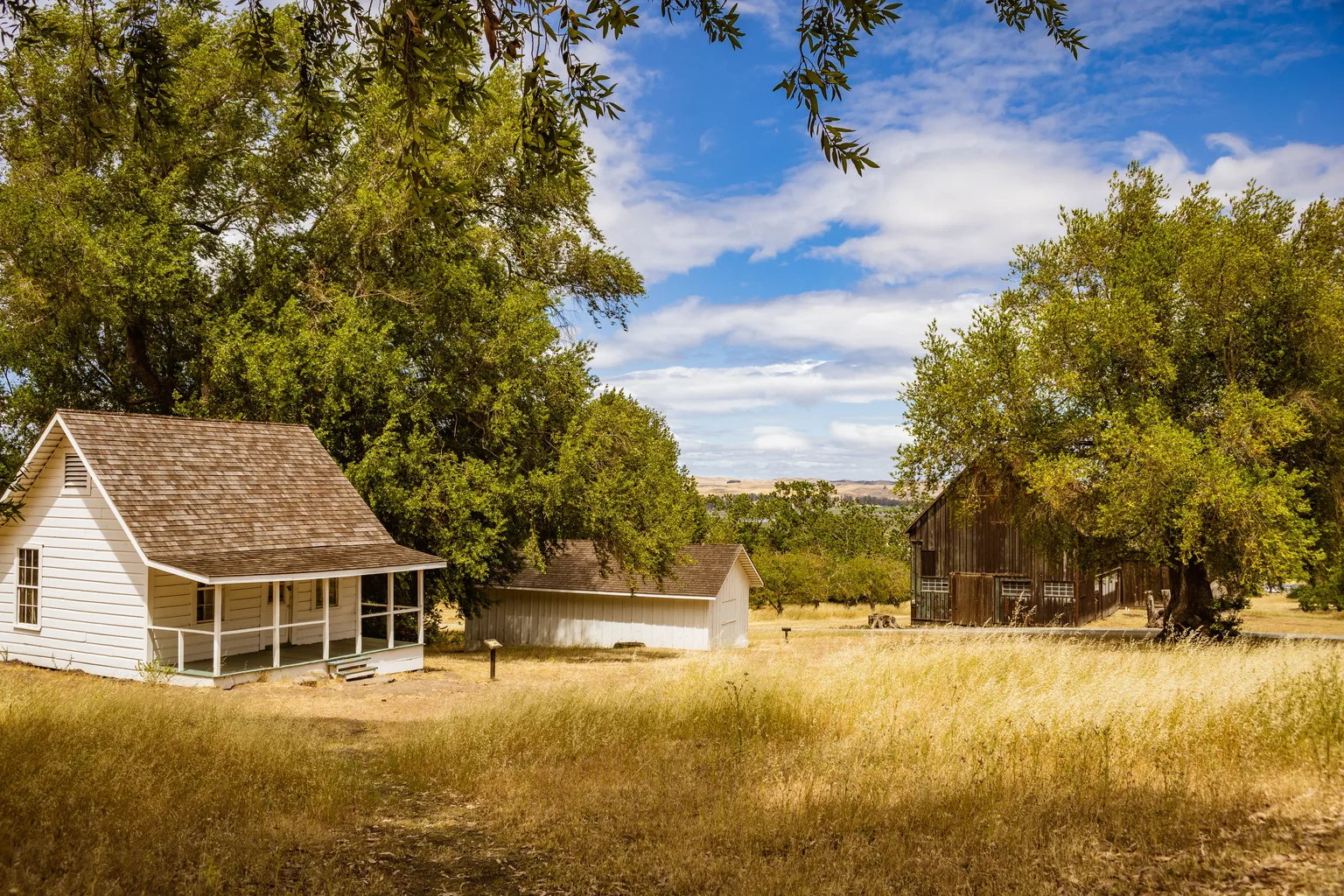
Smithfield and the surrounding parts of Isle of Wight County are a short drive from Suffolk and a different world from the rest of Hampton Roads. Historic homes along Main Street, farmhouses on acreage, newer builds on large lots, long gravel or dirt driveways, well water, and a fair number of houses with a wood stove that still earns its keep in January.
Every one of those details changes something about how the floors behave, and taken together they produce a set of problems that carpet care advice written for a suburban subdivision does not address.
Well Water Is a Cleaning Variable
This is the one most people have never considered, and it explains a lot of disappointing results from rental machines.
Groundwater in this part of Virginia frequently carries significant dissolved calcium and magnesium. Those minerals interfere with cleaning chemistry — surfactants bind to the minerals instead of to the soil, so the same product does less work. Worse, as the carpet dries, dissolved minerals stay behind in the fiber as a fine residue that dulls the color and gives the pile a slightly stiff hand.
Iron is the other common one. Well water with high iron content can leave a faint orange cast, most noticeable on light-colored carpet, and it is genuinely frustrating because the carpet was cleaner before the cleaning made it look worse.
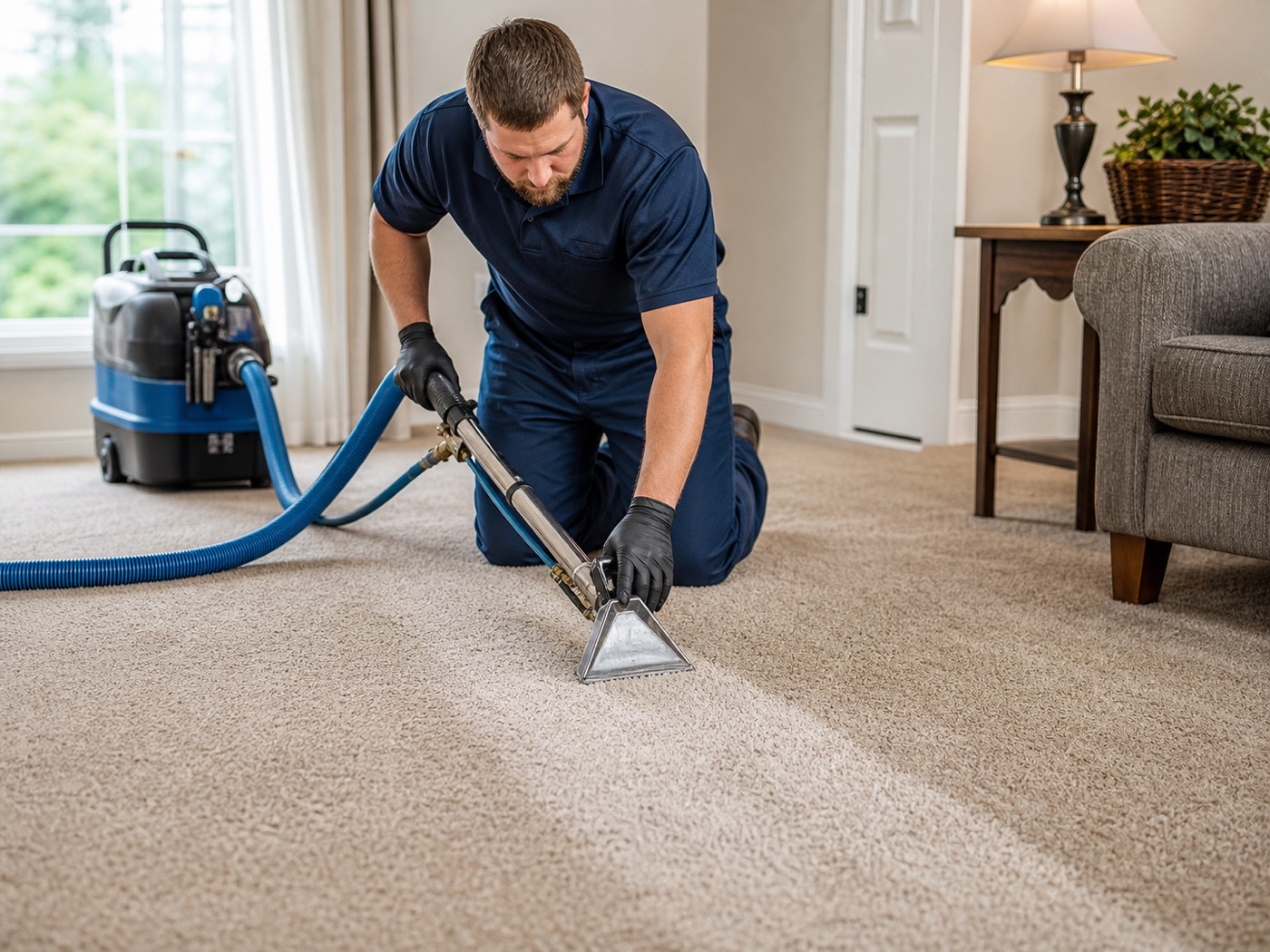
This is a large part of why a professional job on a well-water property tends to outperform a do-it-yourself attempt by more than it would in the city. Professional equipment carries and conditions its own water rather than filling from a tap, and the rinse step is designed to leave the fiber genuinely rinsed rather than merely wet.
Farm Soil Is Not City Dirt
Soil tracked in from a yard in Kempsville and soil tracked in from a field are chemically different materials, and they behave differently in carpet.
| Source | What it does to carpet | The right response |
|---|---|---|
| Field and garden soil | High organic content; stains as it decomposes | Prompt removal; do not let it sit |
| Clay from a wet driveway | Fine iron-bearing particles that discolor | Let it dry completely, then vacuum, then treat |
| Gravel dust and grit | Abrasive; cuts fiber under traffic | Slow, frequent vacuuming plus long matting |
| Livestock and barn soil | Organic, odorous, sometimes ammonia-bearing | Boot changes at the door; source treatment if it reaches carpet |
| Wood ash and soot | Oily, finely divided, spreads when wetted | Dry vacuum only, then professional solvent-side treatment |
| Hay, seed, and plant debris | Stains as it breaks down; tracks everywhere | Frequent vacuuming through harvest season |
The clay row overlaps with what Chesapeake and Suffolk households deal with, and the same counterintuitive rule applies: let it dry before touching it. Wet clay smeared with a towel spreads across several times the area and drives pigment down into the yarn where it is much harder to reach.
The livestock row deserves its own note. Ammonia-bearing organic material behaves in carpet much the way pet urine does — it penetrates rather than sitting on top, and surface deodorizing does not reach it. A dedicated boot area and a hard-surface landing at whichever door faces the barn or field is worth more than any product.
Wood Stoves and the Smell That Stays
A wood stove or open fireplace is one of the genuine pleasures of a rural house, and it deposits a residue throughout the home that most people underestimate.
Combustion produces very fine particulate carrying oils and tars. That material is buoyant, so it circulates on air currents and settles everywhere — carpet, upholstery, drapery, bedding, the tops of door casings, and the inside of the HVAC system. It is not evenly distributed; it concentrates on cold surfaces and along air paths, which is why the wall above a doorway often shows it first.
Two things make it stubborn. First, it is oily, so water-based cleaning products struggle with it and can drive it deeper rather than lifting it. Second, it is everywhere, which means cleaning the carpet while the sofa, the curtains, and the ductwork still hold residue produces a house that smells almost the same as before.
The approach that works is treating the soft surfaces together and understanding that smoke odor removal is a different job from carpet cleaning. Dry soil removal comes first, before any moisture is introduced, and the chemistry is chosen for oily residue rather than for ordinary household soil.
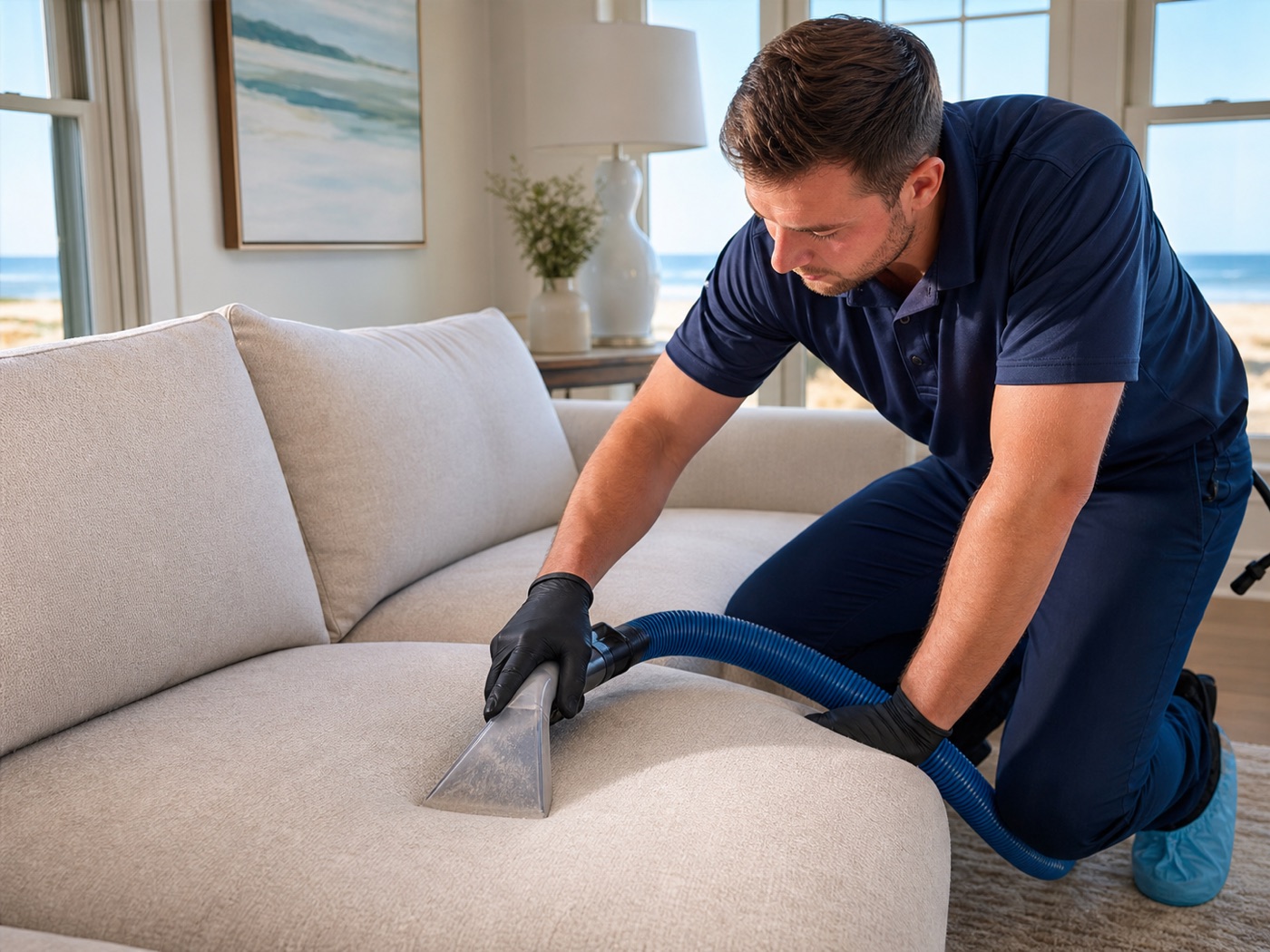
Upholstery matters enormously here. Cushion fill holds smoke residue and releases it slowly for years, and a family room sofa in a house with a wood stove is usually holding more odor than the floor is.
Historic Homes in Town
Smithfield's historic district is a separate case again. The town has been continuously settled since the eighteenth century, and Main Street and the surrounding blocks include houses with original wood floors, old tile entries, and the structural quirks that come with age.
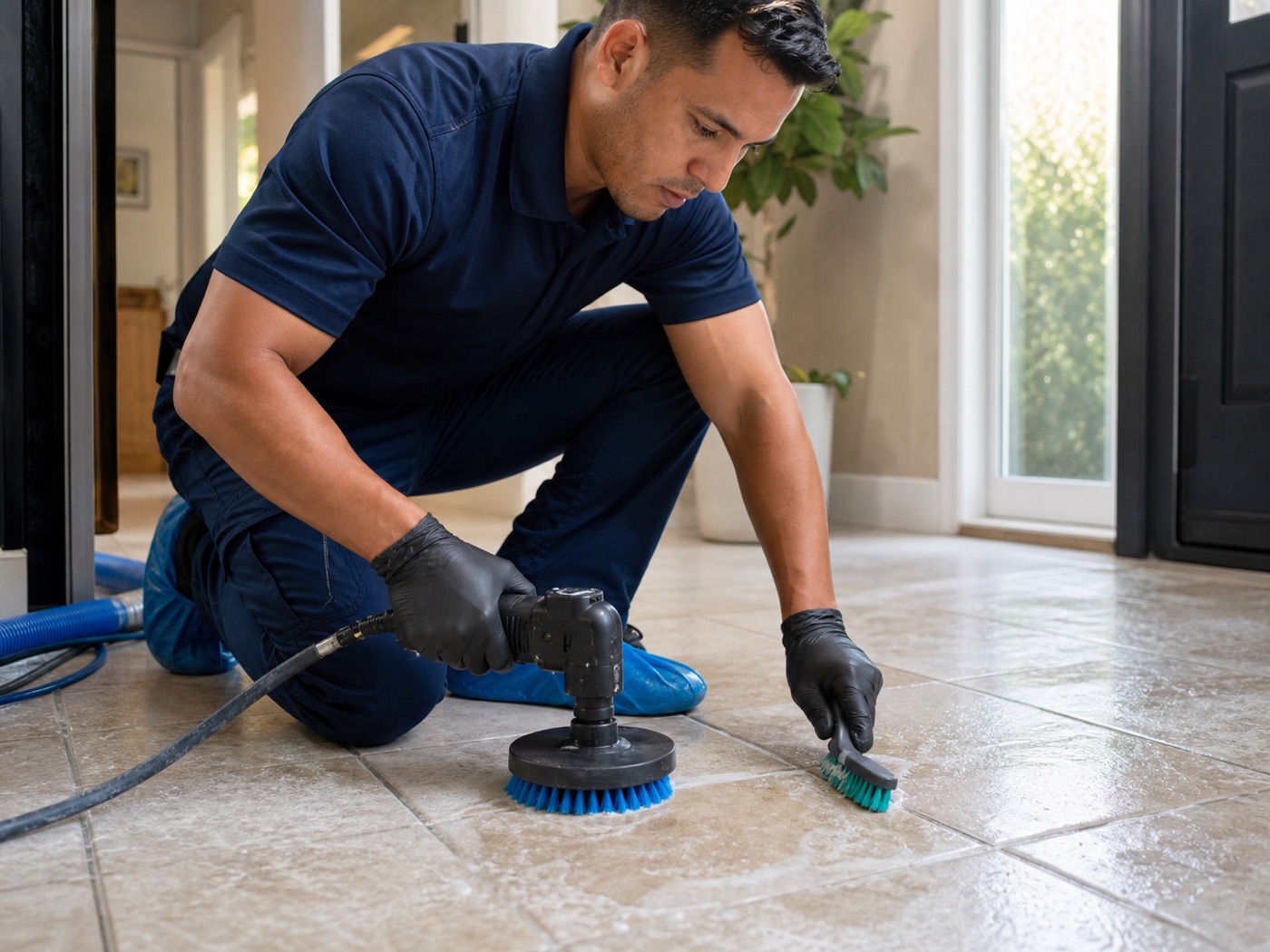
Those floors want the same restraint that Portsmouth's Olde Towne and Norfolk's Ghent require: identify the material before applying anything, keep moisture well controlled over old wood, and never apply commercial floor finish to a historic surface. Original tile and grout in an entry frequently cleans up beautifully, and it is often the most visually rewarding part of a job in one of these houses.
Crawlspaces are common here too, and with them the familiar pattern of a first-floor musty smell that returns after a good cleaning. When that happens, the source is usually ground moisture below the floor rather than anything in the carpet, and cleaning again is treating a symptom.
Scheduling Out Here Works Differently
Practical reality: Smithfield is a drive from most of the metro, and that shapes how work is best organized. Rather than a small job every few months, rural properties usually get better value from fewer, larger visits — carpet, upholstery, and hard floors handled together.
Septic systems are worth a mention in the same breath. Properties on septic rather than municipal sewer have a finite daily capacity, and while a carpet cleaning does not discharge into the house drains — recovered water leaves with the truck — it is worth knowing that we are not adding load to your system. Anyone who tells you they need to dump recovery water down your sink or into your yard is not operating the way they should be.
The seasonal rhythm helps too. Late spring, after mud season and before the worst humidity, and early fall, after the summer and before the stove comes back on, are both natural points to do a thorough reset. Anyone heating with wood is generally better off cleaning after the burning season ends rather than in the middle of it.
Outbuildings, Porches, and the In-Between Spaces
Rural properties have rooms that are not quite indoors: screened porches, mudrooms, sunrooms, converted garages, and finished spaces over unheated areas. Those spaces take the worst of everything and are almost never on anyone's cleaning plan.
Screened porches are the clearest example. Indoor-outdoor carpet or an area rug on a porch sits in ambient humidity year-round, collects pollen and organic debris, and never gets the benefit of conditioned air. In this climate that combination produces mildew reliably, and the smell migrates into the house through the door.
Mudrooms are the opposite problem — heavily used, heavily soiled, and generally the last room anyone thinks to clean because it is supposed to be dirty. That reasoning is backwards. A mudroom is a filter, and a filter that is never cleaned stops filtering and starts distributing.
The practical advice is to include these spaces in the scope rather than treating them as outside it. They are usually small, they are usually the source of whatever problem is showing up in the adjacent finished rooms, and adding them to an existing visit costs very little compared to bringing someone back out to a rural address a second time.
The Short Version
Rural properties bring their own variables: water that fights the cleaning chemistry, soil that is heavier and more organic than what the cities deal with, and combustion residue that settles into every soft surface in the house. None of those are solved by cleaning harder. They are solved by knowing which one you are looking at.
All City Carpet Cleaning And Building Solutions serves Smithfield and the surrounding communities alongside the rest of Hampton Roads. If you are on a well, heat with wood, or live at the end of a long dirt driveway, mention it when you call — all three change the plan.