Carpet shopping conversations revolve almost entirely around fiber type, color, and pile style. Padding, the layer underneath that nobody actually sees, barely comes up, and when it does it's usually an afterthought decided in the last few minutes of a flooring purchase. That's a mistake, because padding does more work than most homeowners realize, both for comfort and for how well carpet holds up over the years it's expected to last.
Padding also plays a direct role in how well cleaning results hold up over time, which makes it relevant well beyond the initial installation decision. A household dealing with carpet that never quite feels or looks fully clean, even after professional cleaning, is sometimes dealing with a padding problem rather than a carpet problem.
Density Versus Thickness: The Distinction That Actually Matters
The most persistent misconception about carpet padding is that thicker automatically means better. It doesn't. Padding density — how tightly the material is packed, measured in pounds per cubic foot — is what actually determines how well padding performs over the life of the carpet, and it matters more than thickness in nearly every practical sense.
A thick, low-density pad feels plush the day it's installed, which is exactly why it gets chosen so often in showrooms. But that same low density means it compresses quickly under regular foot traffic, losing its support within a couple of years in high-traffic areas. A thinner, higher-density pad holds its shape far longer, continuing to support the carpet fiber properly well past the point a low-density pad would have flattened out.
This distinction matters directly for carpet longevity. Carpet fiber relies on padding to absorb impact and distribute weight evenly. Once padding compresses and loses that support, the carpet above it takes more direct wear with every step, which accelerates matting and traffic wear in exactly the areas a household cares about most.
Padding Absorbs More Than People Think
Padding isn't a passive layer that just sits there for comfort. It absorbs a meaningful share of everyday soil, spilled liquid, and moisture that makes its way through the carpet fiber above it, and what happens in that layer directly affects how carpet performs and how well it responds to cleaning.
This is part of why a spill that isn't addressed quickly can leave lingering effects even after the visible carpet surface looks clean again — some of what spilled has already worked its way down into the pad, where surface cleaning can't fully reach it. It's also why moisture problems, whether from a spill, a leak, or high humidity, tend to show up as odor before they show up as a visible stain: the moisture and whatever it's carrying are sitting in the pad, not on the surface.
In this coastal climate, that moisture-absorbing role of padding is worth taking seriously. Humidity swings and the occasional flooding risk mean padding here does more moisture-related work over its lifespan than padding in a drier climate, which is one more reason density and quality matter more here than the padding aisle's price tag alone would suggest.
How Professional Cleaners Assess Pad Condition
A professional carpet cleaner develops a feel for padding condition without ever pulling the carpet up. How carpet responds underfoot, how it reacts during the cleaning process itself, and how quickly it dries afterward all give clues about what's happening in the layer underneath.
Padding that's holding water differently than expected, drying unevenly, or producing a musty smell that persists after cleaning is padding that has likely broken down structurally or absorbed contamination that cleaning alone can't resolve. This is useful information for a homeowner beyond just the current cleaning appointment, since it flags a padding issue before it turns into a bigger, more expensive problem.
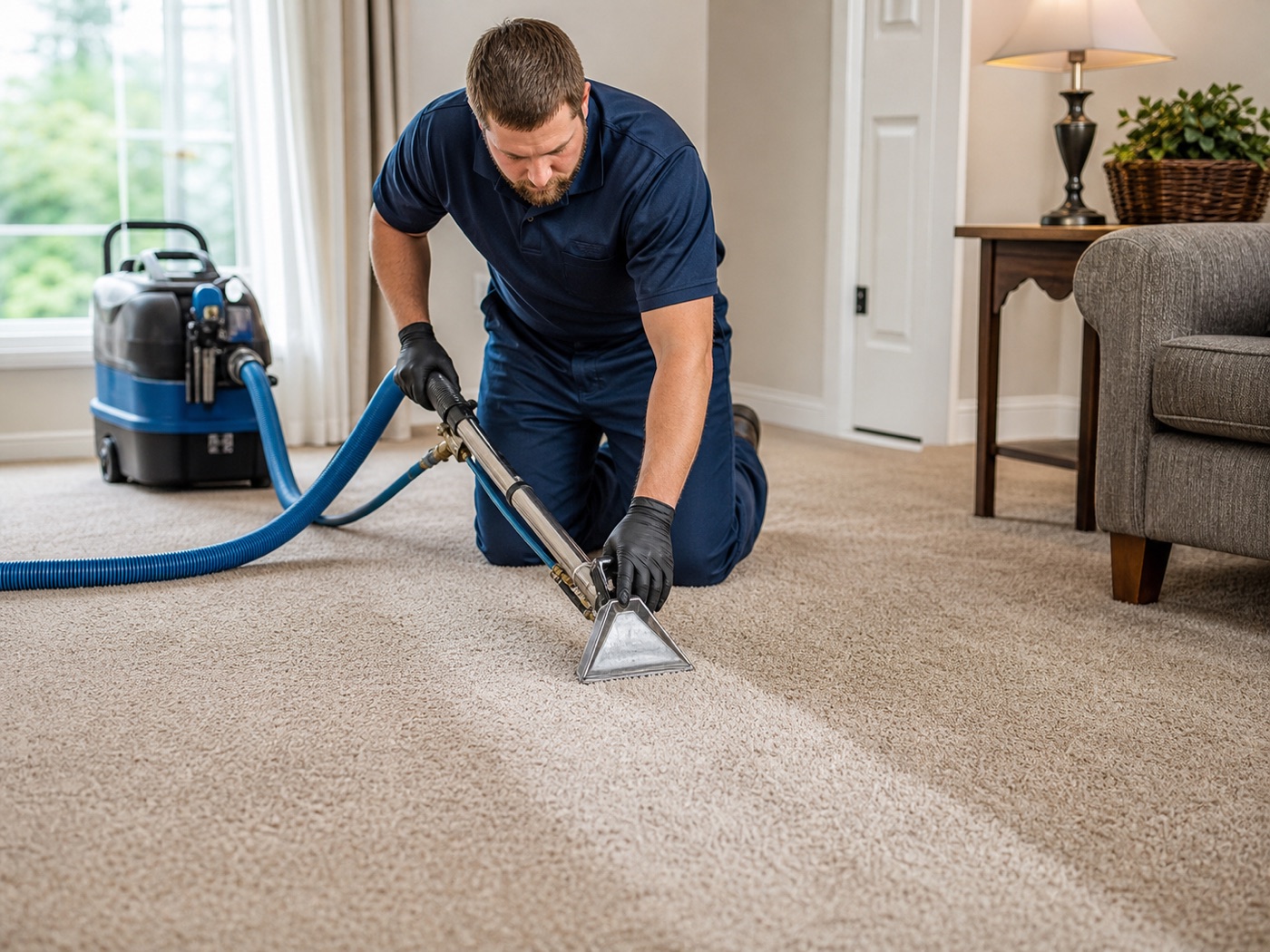
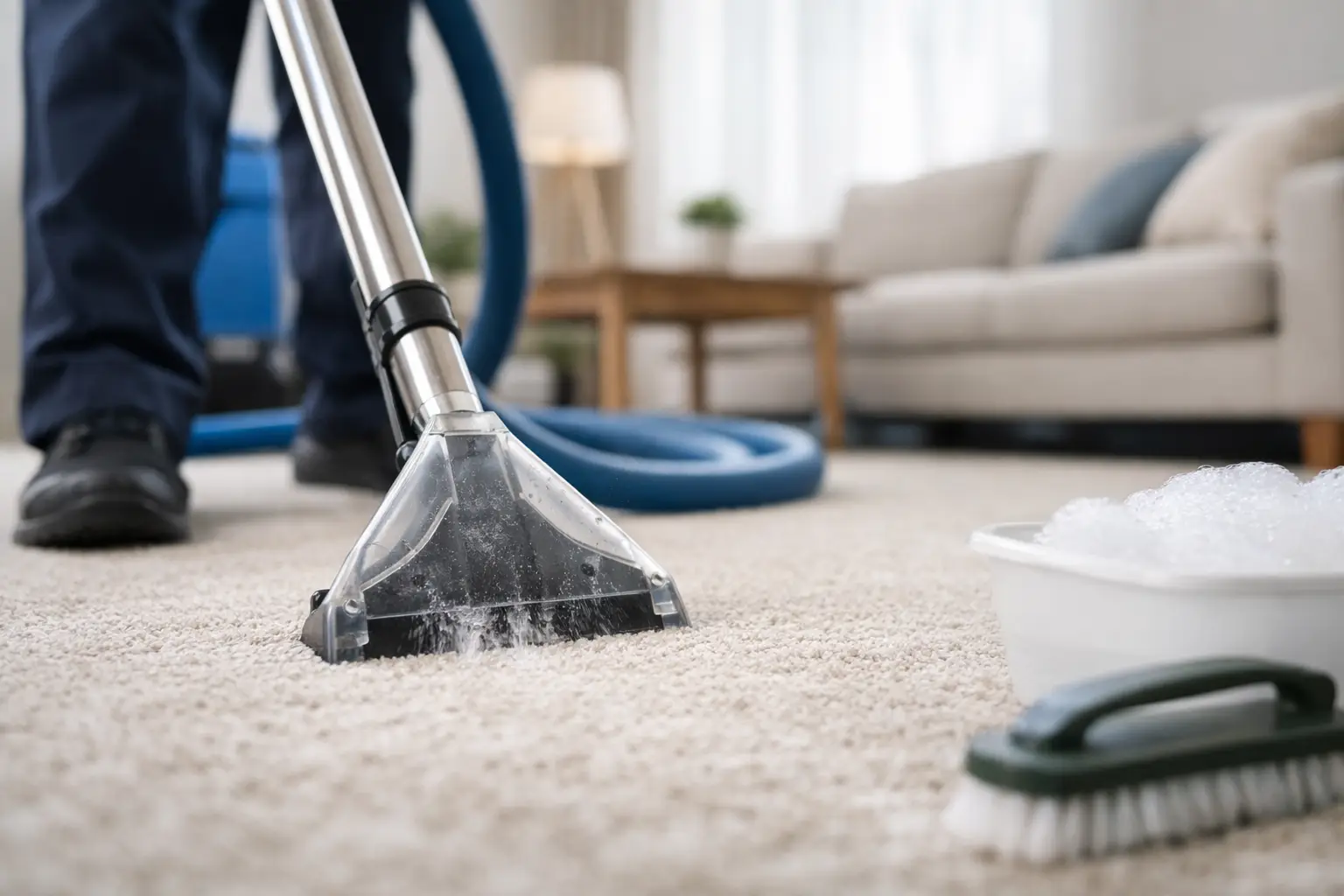
This is also part of why hot water extraction, done properly, accounts for padding condition rather than just treating the visible carpet surface. Over-wetting carpet sitting on already-compromised padding risks pushing moisture deeper into a pad that's already struggling to dry properly, which is a mistake a cleaner who understands padding will avoid.
The Main Padding Types, Briefly
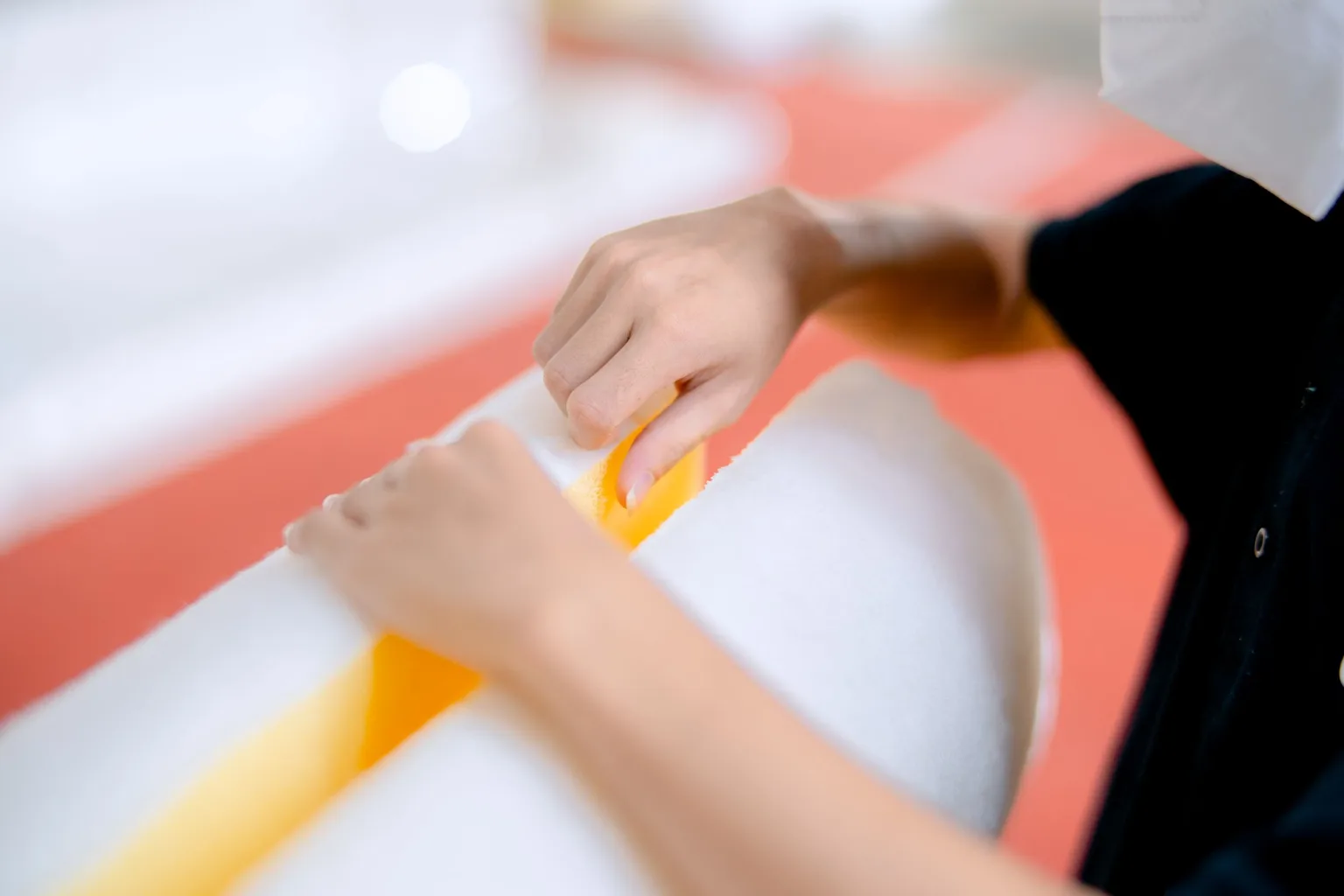
Rebond foam, made from recycled foam scraps bonded together, is the most common padding in residential carpet installations and offers a reasonable balance of cost, density, and comfort when specified correctly for the traffic level of the room it's going under. It's worth confirming its density rating rather than assuming all rebond foam performs the same, since the range within this category is wide.
Memory foam padding has become popular for the plush feel it offers underfoot, but it tends to compress under sustained weight over time similarly to how a memory foam mattress topper eventually loses some of its original loft, which makes it a better fit for bedrooms than high-traffic hallways or stairs. Waffle rubber and flat rubber padding, less common in residential settings, offer excellent density and durability and show up more often in commercial installations where longevity matters more than plush comfort.
Matching pad type to room use, rather than choosing purely on how it feels in a showroom sample, pays off over the years a carpet installation is expected to last, particularly for stairs and hallways, which are worth reading up on separately given how differently they wear compared to open floor space.
When Padding Needs Replacing, Not Just Cleaning
Padding is not designed to be cleaned the way carpet fiber is. Once it's genuinely contaminated — by pet odor that's soaked all the way through, by water damage, or by simple age-related breakdown — replacement is the realistic option rather than any cleaning approach, no matter how thorough.
The encouraging part of this is that padding often wears out well before the carpet on top of it does, and replacing pad under carpet that's otherwise still in good shape is frequently more cost-effective than most homeowners assume, especially compared to full carpet replacement. This is worth raising with a flooring professional rather than assuming worn-feeling carpet automatically means the whole system needs to go.
- Choose padding density over thickness when installing or replacing carpet — a denser, thinner pad typically outlasts a plush, low-density one
- Address spills quickly, since delayed cleanup lets liquid work down into the pad where it's harder to remove
- Watch for a musty smell that persists after cleaning, which often points to a moisture issue in the pad rather than the carpet surface
- Ask a professional cleaner to flag padding condition during routine appointments rather than waiting for an obvious problem
- Consider pad replacement on its own when carpet is still in good shape but feels flat or unsupportive underfoot
Padding's Role in a Humid Coastal Climate
Hampton Roads' humidity puts padding under more sustained stress than a drier inland climate would, since ambient moisture in the air works its way into padding fiber gradually even without a specific spill or leak triggering it. This is part of why padding here can show signs of breakdown or odor on a shorter timeline than manufacturer estimates that were developed without this region's humidity in mind.
A vapor barrier under padding, standard practice for basements and ground-level rooms in this region, is worth extending to any room with a history of humidity issues, not just below-grade spaces. It's a modest addition during installation that pays off specifically in a climate where padding is fighting ambient moisture year-round rather than only during an occasional spill.
Households in older homes, particularly ones without central dehumidification, benefit from paying closer attention to padding condition than a newer, better-sealed home might need to. A standalone dehumidifier in problem rooms does as much for padding longevity as any cleaning schedule could.
All City Carpet Cleaning And Building Solutions accounts for padding condition on every visit across Virginia Beach, Norfolk, Chesapeake, Suffolk, Hampton, Portsmouth, and Smithfield, with pricing that reflects what a job actually needs rather than a one-size approach.