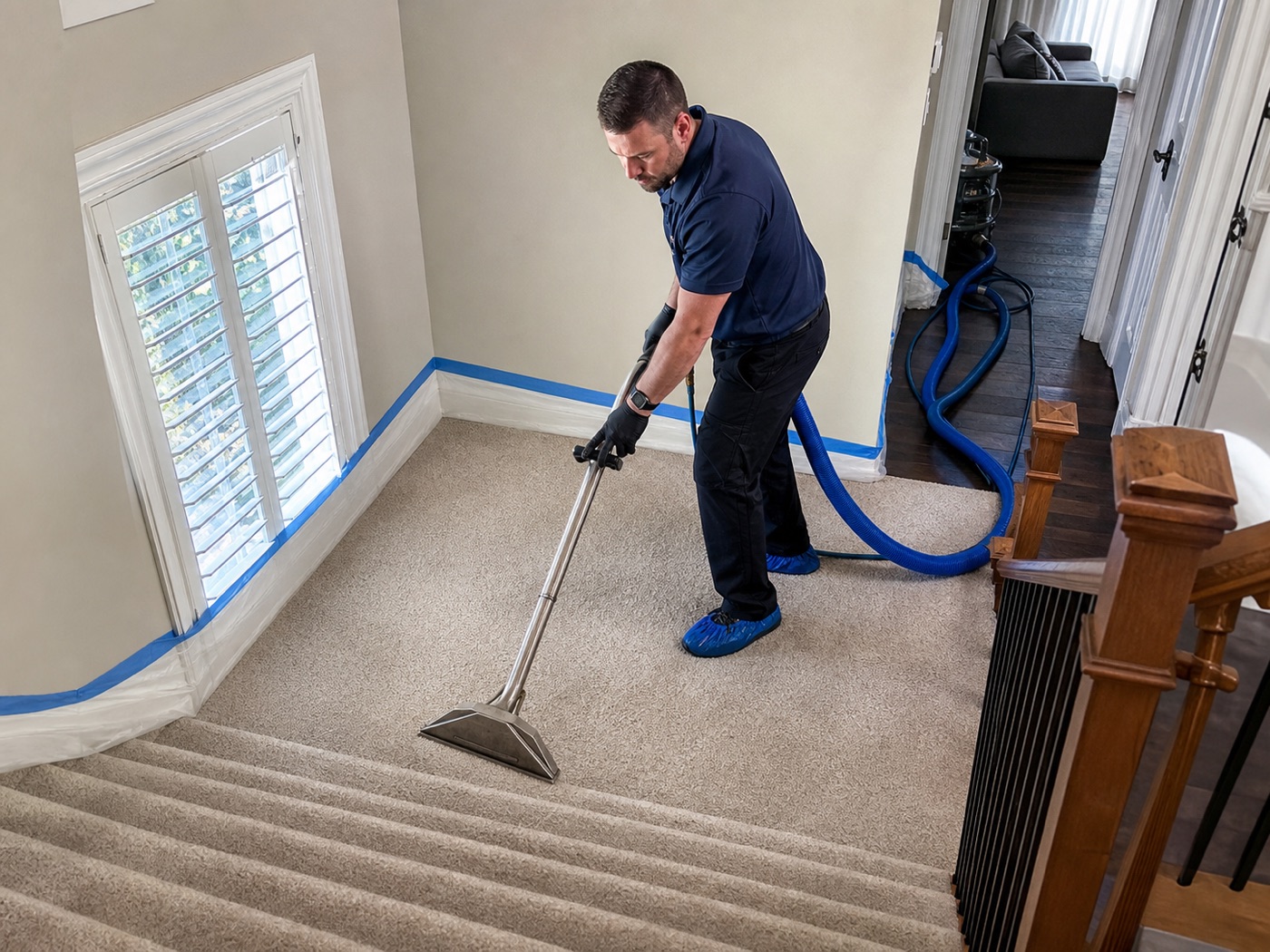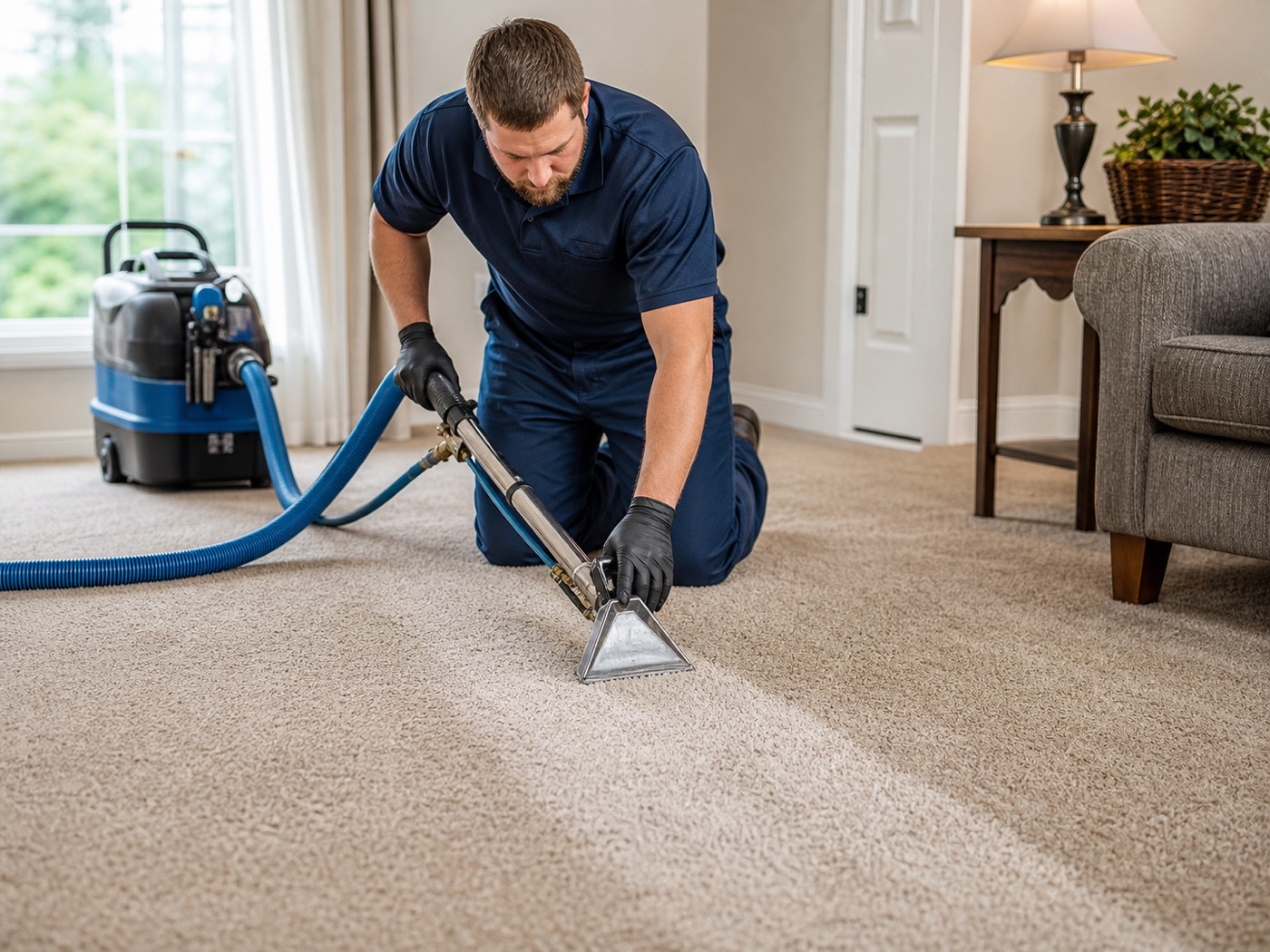

Ask any real estate agent what the highest-return, lowest-cost thing a seller can do before listing is, and carpet cleaning comes up constantly — usually in the same breath as a fresh coat of paint and decluttering.
The reason is not complicated. Buyers do not walk through a home evaluating it feature by feature. They form an overall impression in the first thirty seconds, and worn, stained, or dingy carpet is one of the fastest ways to sour that impression before a buyer has even looked at the kitchen.
Why Carpet Carries So Much Weight
Floors occupy more visual field than almost anything else in a room. A buyer's eye sweeps across the carpet in every room they enter, whether they consciously notice it or not, and a home with worn or dirty carpet throughout reads as generally under-maintained even if every other system in the house is in excellent shape.
This is the same psychology that affects rental turnovers and security deposit disputes — the condition of carpet is disproportionately visible relative to its actual cost, which cuts both ways for a seller. A clean carpet costs relatively little and buys an outsized amount of positive impression.
It also affects how buyers judge the rest of the house. A buyer who notices grubby carpet in the hallway starts looking more critically at everything else — baseboards, grout lines, the state of the HVAC vents — in a way they might not if the first impression had been clean.
Clean Versus Replace: How to Decide
Not every carpet is a cleaning candidate, and it is worth being honest about which category a given home falls into before spending on either option.
Carpet under roughly eight to ten years old that has simply gone without regular cleaning almost always responds well to a professional service — the fiber itself is intact, and what is showing is accumulated soil and traffic-lane graying rather than structural wear. Carpet beyond that age, with matted pile, visible fraying, or wear through to the backing in traffic lanes, is a different case entirely, and cleaning it will improve but not transform the appearance.
For a home priced in a range where buyers expect updated flooring, replacement with a neutral, broadly appealing carpet often pays for itself. For a home where the carpet is merely dated rather than damaged, cleaning is almost always the more efficient move — it costs a fraction of replacement and closes most of the visual gap.
Timing It Around the Listing Process
The sequence matters more than most sellers expect. Carpet cleaning belongs after decluttering and staging — there is no point cleaning carpet that is still covered in furniture and boxes that are about to move — and before the professional photography appointment, since photos are the first impression for the overwhelming majority of buyers who browse listings online before ever scheduling a showing.
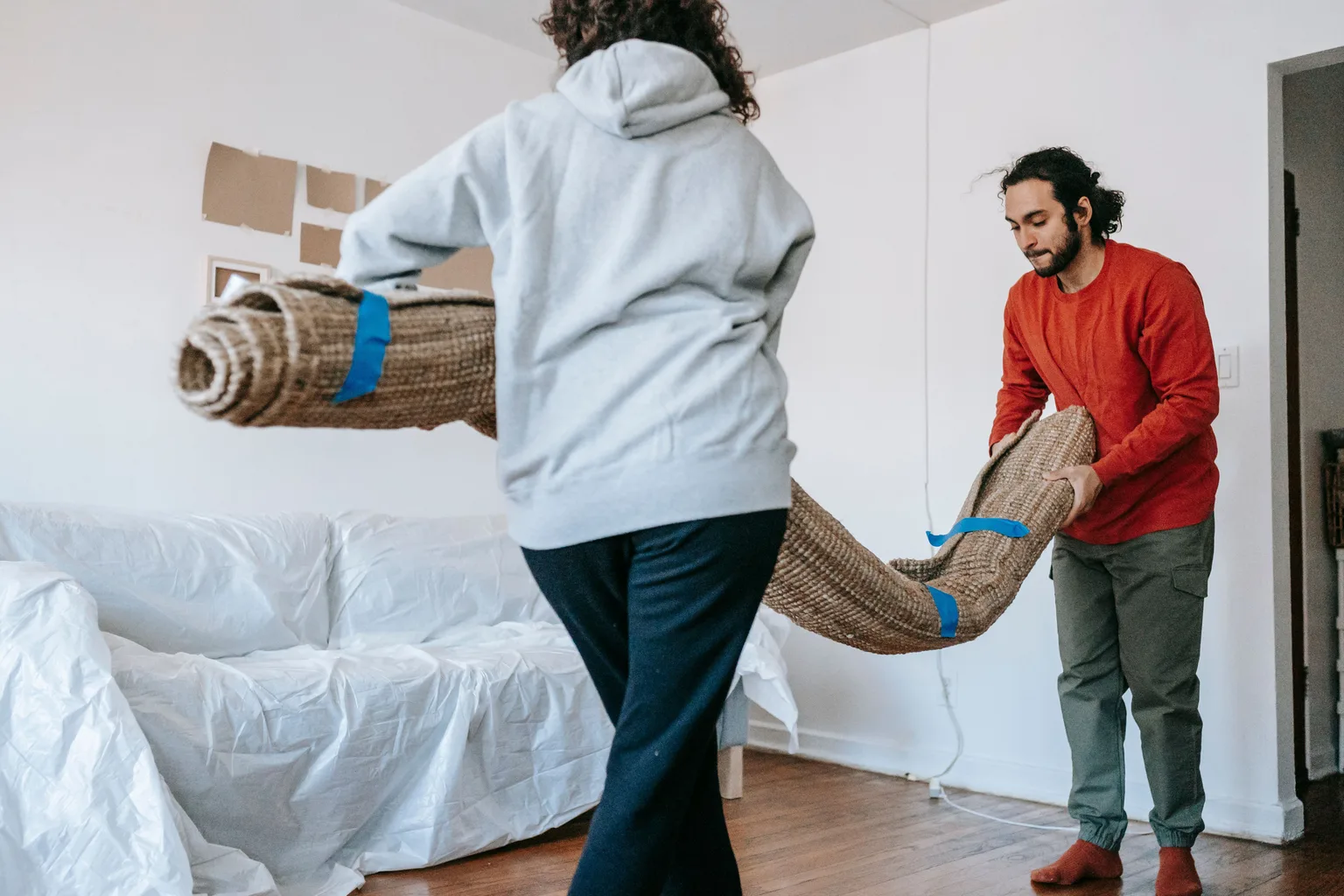
- Declutter and remove excess furniture first, so the cleaner has full access to the floor.
- Schedule carpet cleaning roughly a week to ten days before photos, allowing full drying time plus a buffer.
- Address any specific stains or pet issues as a separate line item during the same appointment rather than assuming general cleaning will resolve them.
- Keep the carpet protected from move-related traffic between cleaning and the first showing where possible.
- Plan a light touch-up before closing if the home sat on the market for months and traffic from showings has built back up.
Doing this the day before photos, rather than with a real buffer, leaves no margin if a stubborn spot needs a second treatment or drying runs longer than expected because of humidity.
What Buyers and Agents Actually Notice
Beyond general cleanliness, a few specific things register disproportionately with buyers walking through a home for the first time.
Pet odor is the single biggest one — even buyers who love animals react negatively to a lingering smell in a home they are considering for themselves, because it raises questions about what else might be hidden. Traffic-lane graying down a main hallway reads as neglect even when the rest of the carpet looks fine, because it is the path every visitor's eye follows naturally through the house. And a single obvious stain in an otherwise clean room draws attention out of proportion to its size, simply because it stands out against everything around it.
Agents who list homes regularly in this market will often say directly whether carpet is helping or hurting a listing, and it is worth asking that question plainly rather than guessing.
Beyond Carpet: The Rest of the Flooring
Carpet gets the most attention in pre-listing prep, but it is rarely the only flooring in a home going to market, and the same buyer psychology applies to every surface.
Tile and grout in kitchens and bathrooms show buildup and discoloration that a quick mop does not address, and grout lines in particular are one of those details buyers register without consciously naming — a bathroom with grimy grout reads as dated even if the fixtures themselves are updated. Hardwood floors benefit from the same logic, since a home with carpet cleaned to a high standard but scuffed, dull hardwood in the entry still reads as only partially prepared.
Bundling carpet, tile and grout cleaning, and hardwood attention into a single pre-listing service call is usually more efficient than treating each as a separate project, and it means the whole house presents at a consistent level rather than having one obviously refreshed room next to others that were not addressed.
Staging With Clean Carpet in Mind
Staging and carpet cleaning work together, and the order matters. Light-colored area rugs or runners placed after cleaning can highlight how clean the underlying carpet is, while staging furniture placed before cleaning can leave clean rectangles and dirtier surrounding carpet if the pieces get moved between the cleaning appointment and the actual showings.
It is worth asking the stager and the cleaning crew to coordinate on sequencing, particularly for vacant staging where furniture is being brought in fresh. Furniture delivered onto freshly cleaned, still-slightly-damp carpet risks leaving marks from delivery dollies or felt pads that were not given time to settle. Upholstered staging pieces benefit from the same attention as the carpet, since a stained or worn sofa undercuts a room just as much as dingy flooring.
The Cost Perspective That Matters
A whole-house carpet cleaning ahead of listing typically costs a small fraction of what carpet replacement would run, and an even smaller fraction of the price adjustment a buyer might mentally apply — consciously or not — after walking through a home with visibly neglected floors.
It is one of the rare pre-listing expenses where the return is almost never in question, which is why it shows up on nearly every seller's checklist that agents in this market hand out.
Compare it to the alternative sellers sometimes consider instead — a blanket price reduction to account for dated flooring — and the math tips even further toward cleaning. A price adjustment applied to satisfy a buyer's perception of worn carpet is almost always larger than what actually correcting that perception would have cost.
Sellers who are unsure whether their carpet needs cleaning, replacement, or nothing at all are usually better served by getting an honest professional opinion before listing than by guessing, since a fresh set of eyes tends to see the carpet the way a buyer will rather than the way a homeowner who has lived with it for years and stopped noticing the wear does. That outside perspective is often the most valuable part of the whole appointment, and it costs nothing beyond the time it takes to walk through the house together and talk through what will actually move the needle with buyers.
All City Carpet Cleaning And Building Solutions works with sellers and agents across Virginia Beach, Norfolk, Chesapeake, Suffolk, Hampton, Portsmouth, and Smithfield on listing-ready timelines, with pricing published so it is easy to budget into the pre-listing checklist.