If you call three carpet cleaning companies in Hampton Roads you will get three descriptions of method, delivered with varying confidence, and it is genuinely hard to tell from the outside which one suits your situation. The vocabulary does not help — one company's deep clean is another company's maintenance pass.
There are really only four methods in common use. Each removes a different amount of soil, leaves a different amount of moisture, and suits a different job.
Hot Water Extraction
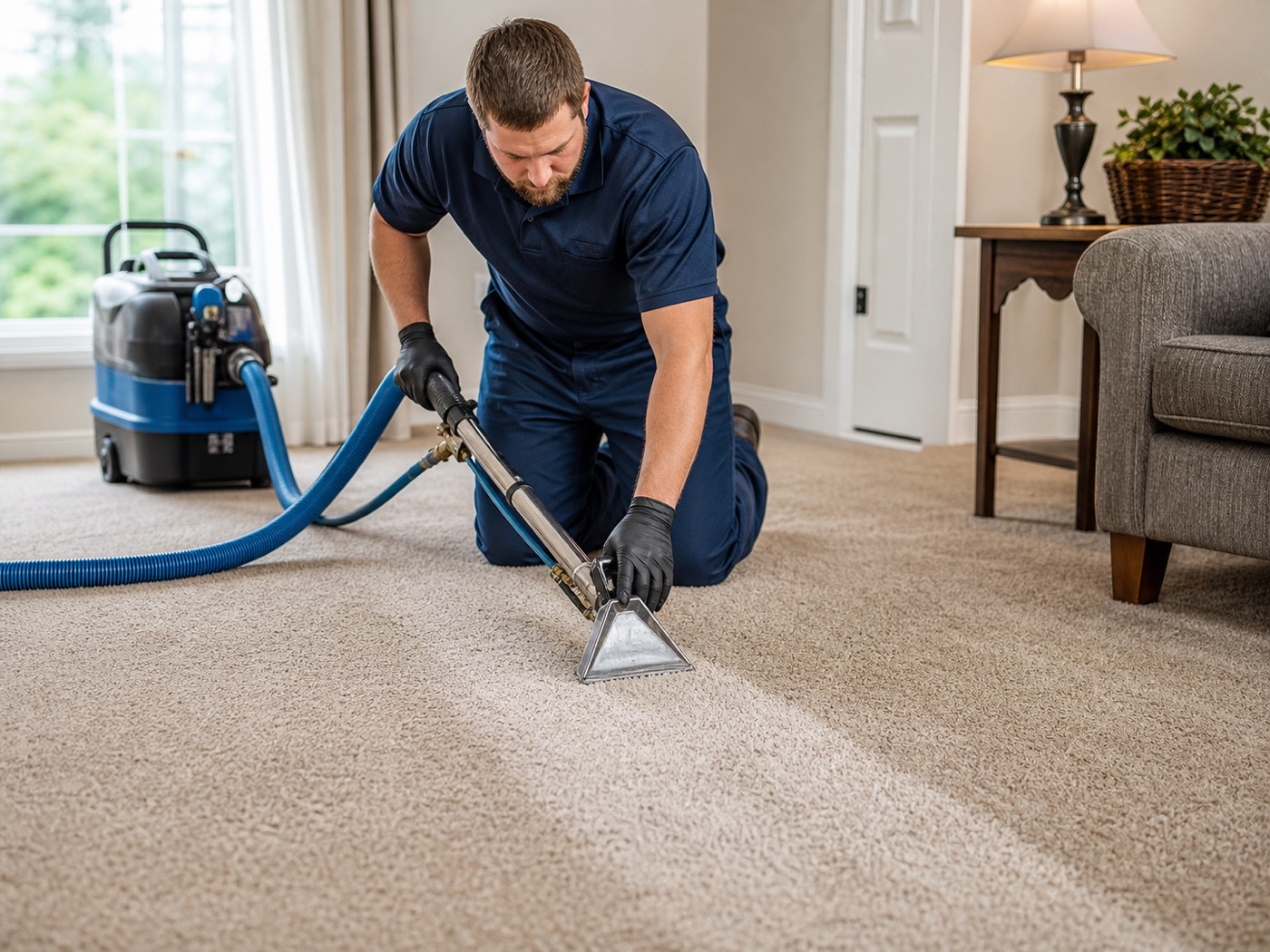
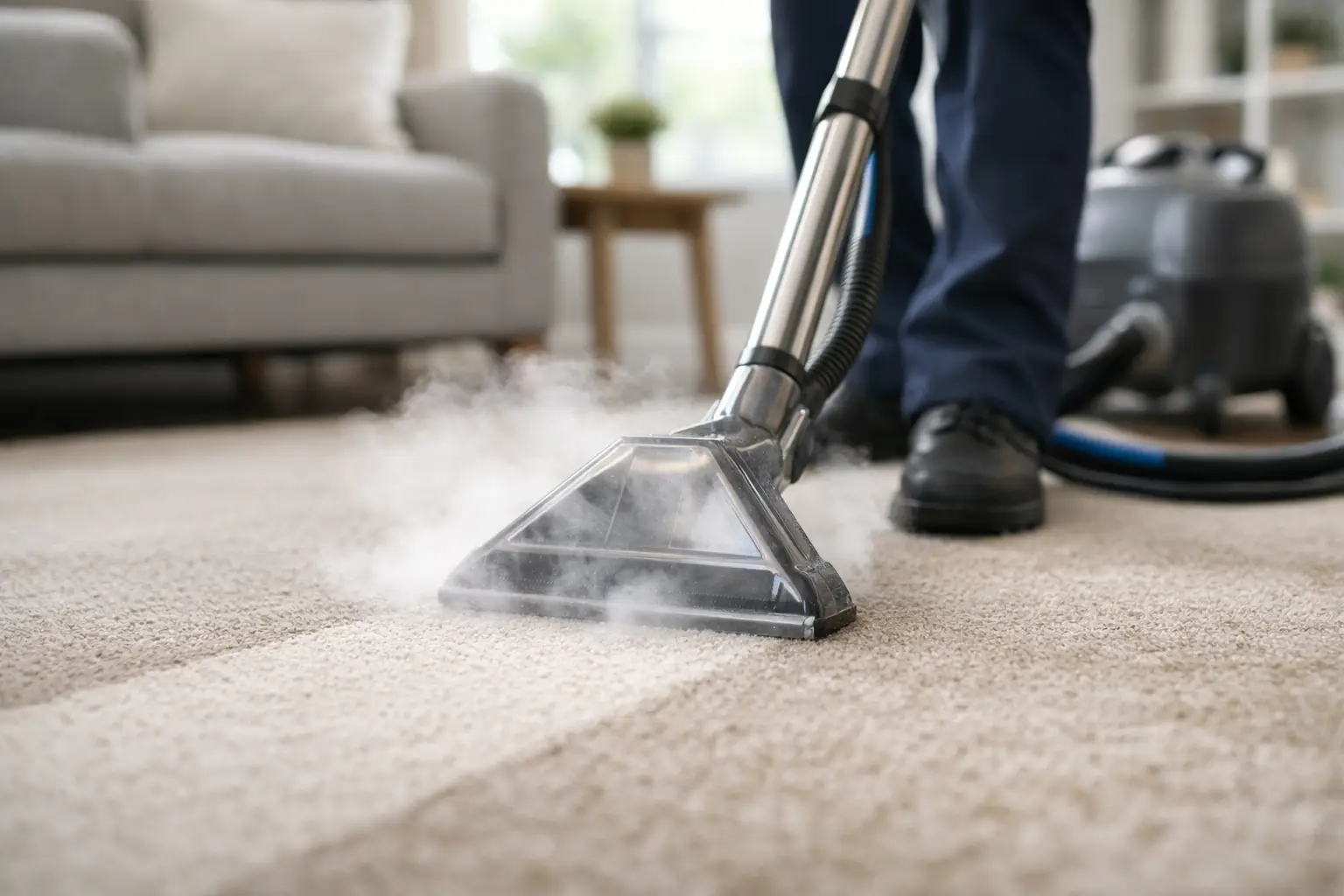
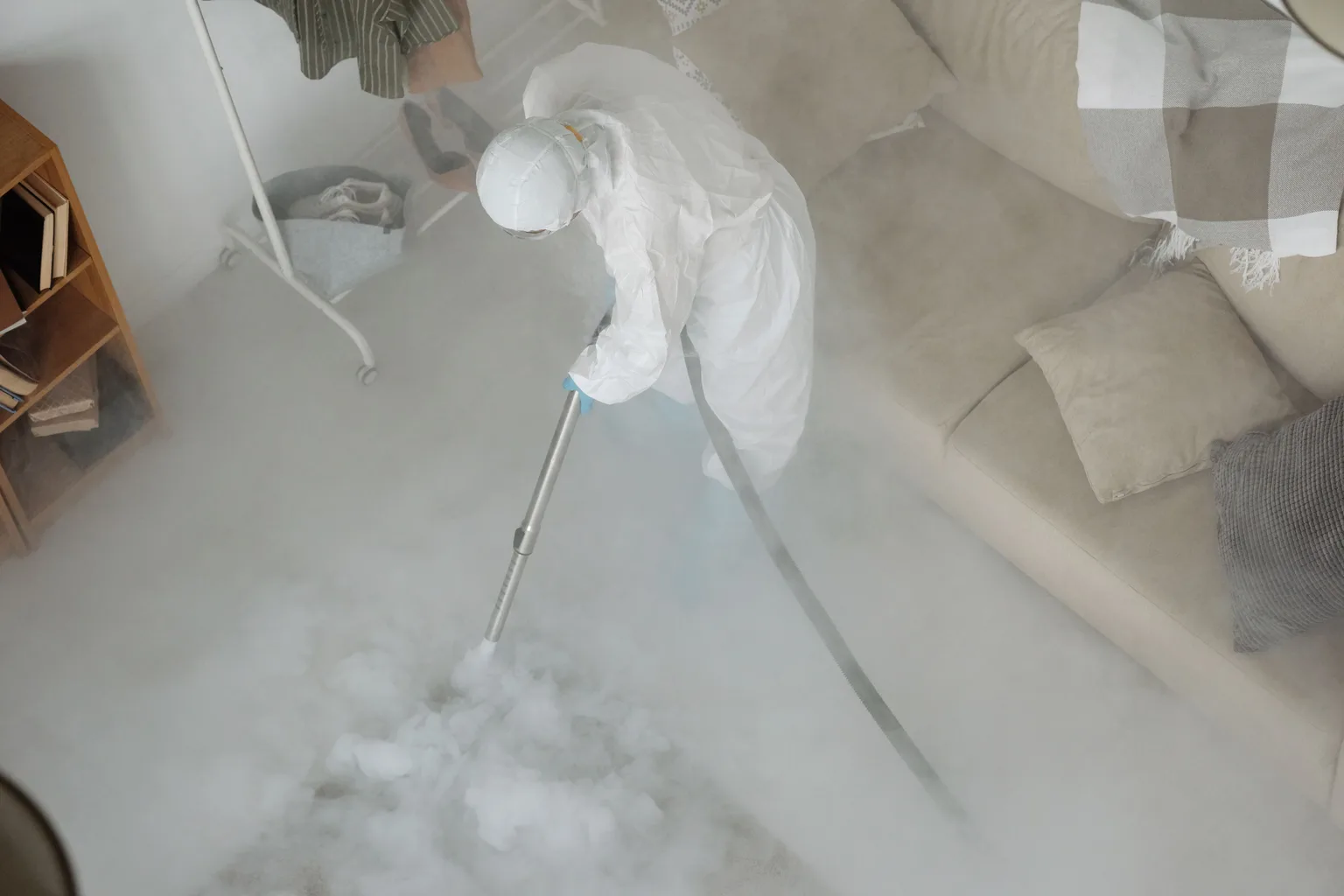
This is the method most people mean when they say steam cleaning, and it is the one most carpet manufacturers specify. Heated cleaning solution is injected into the pile under pressure, it suspends the soil, and a vacuum slot immediately pulls the solution and the soil back out in the same pass.
The work happens in four variables: heat, agitation, chemistry, and dwell time. Heat accelerates the chemistry and helps break oily films. Agitation — usually a pre-groom with a brush or a rotary tool — physically loosens bonded soil. Chemistry does the suspending. Dwell time gives it long enough to act. A crew that pre-sprays and immediately extracts is skipping the variable that does the most work.
A truck-mounted unit produces considerably more heat and vacuum than any portable machine, and that gap shows up directly in how much soil comes out and how quickly the carpet dries. Portables have their place — high-rise buildings, some commercial interiors — but for a house with a driveway, the truck mount is the better tool. The broader comparison with consumer equipment is not close.
The trade-off is moisture and time. The carpet is damp afterward, and in this climate that means planning around the weather rather than ignoring it.
Encapsulation
Encapsulation is the main low-moisture method in commercial work, and it is frequently misrepresented — both by companies overselling it and by competitors dismissing it.
A polymer solution is applied and worked into the pile with a counter-rotating brush or a rotary machine. The polymer surrounds soil particles and dries into brittle crystals that lock the soil in place and release it from the fiber. The next few vacuum passes remove the crystals along with the soil inside them.
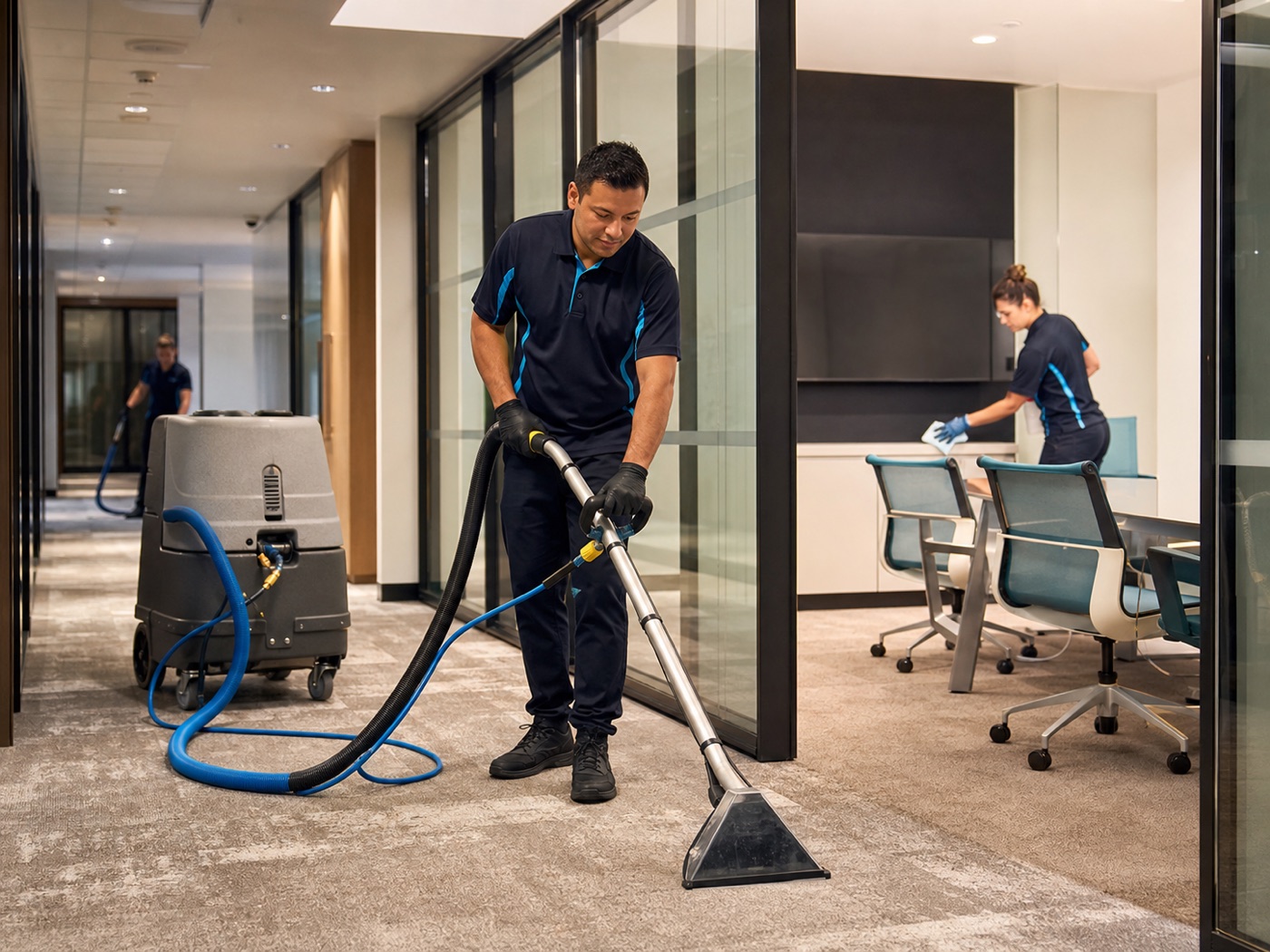
It is a legitimate and effective maintenance method. Carpet dries in an hour or two, a building stays open, and appearance is maintained well between deep cleanings. What it is not is restorative — it does not remove the heavy soil load at the base of the pile, and a building that only ever gets encapsulation will accumulate soil no matter how good the appearance stays.
The right use is a rotation: encapsulation on a frequent cycle for appearance, hot water extraction periodically to reset. That combination outperforms either method alone and usually costs less over a year than extraction-only scheduling in a high-traffic building.
Bonnet Cleaning
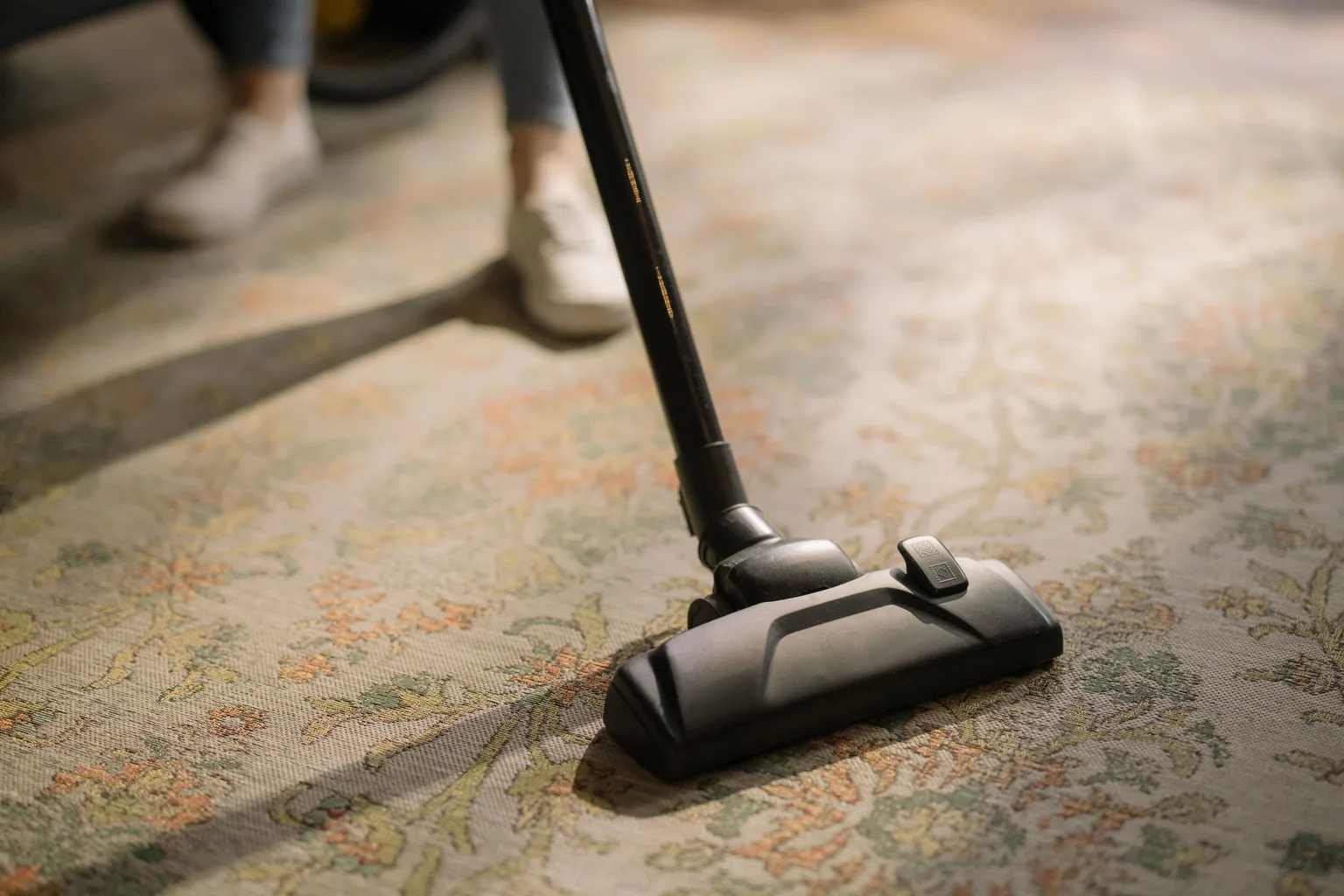
Bonnet cleaning uses an absorbent pad on a rotary machine, dampened with solution and spun across the carpet. It is fast, it dries quickly, and it is common in hotels and offices where somebody needs the lobby to look better before a Monday morning.
The problem is that it works on the top of the pile only. Soil at the base — including the abrasive grit that actually causes wear — stays exactly where it is. Worse, the rotary action can distort the pile on cut-pile carpet and drive surface soil downward rather than removing it, and residue left behind makes the carpet re-soil faster.
There is a narrow legitimate use: interim appearance maintenance on commercial loop carpet on a tight schedule. Outside that, it is the method to be wary of, particularly when it is sold at a residential price as a deep clean. If a company quotes a whole house at an implausibly low number and finishes in forty minutes, this is usually what happened.
Dry Compound
Dry compound cleaning spreads an absorbent material — usually a carrier impregnated with solvent and detergent — across the carpet, works it in mechanically, lets it absorb soil, and vacuums it away.
Near-zero moisture makes it the right answer for genuinely water-sensitive situations: natural fiber carpet, jute-backed goods, spaces with active moisture problems, and rooms where any downtime is unacceptable. It is also the safest method for some rugs, where water introduces dye and shrinkage risks that are not worth taking.
Its limits are the same as any surface method. It will not lift a heavy soil load, and in a house near the beach it will not do much about sand at the base of the pile. It costs more per square foot than most alternatives, which is a fair trade when the constraint is real and a poor one when it is not.
The Steps That Happen Around the Method
Whichever method is used, most of the result comes from what happens before and after it — and those steps are the first things to disappear when a crew is running behind.
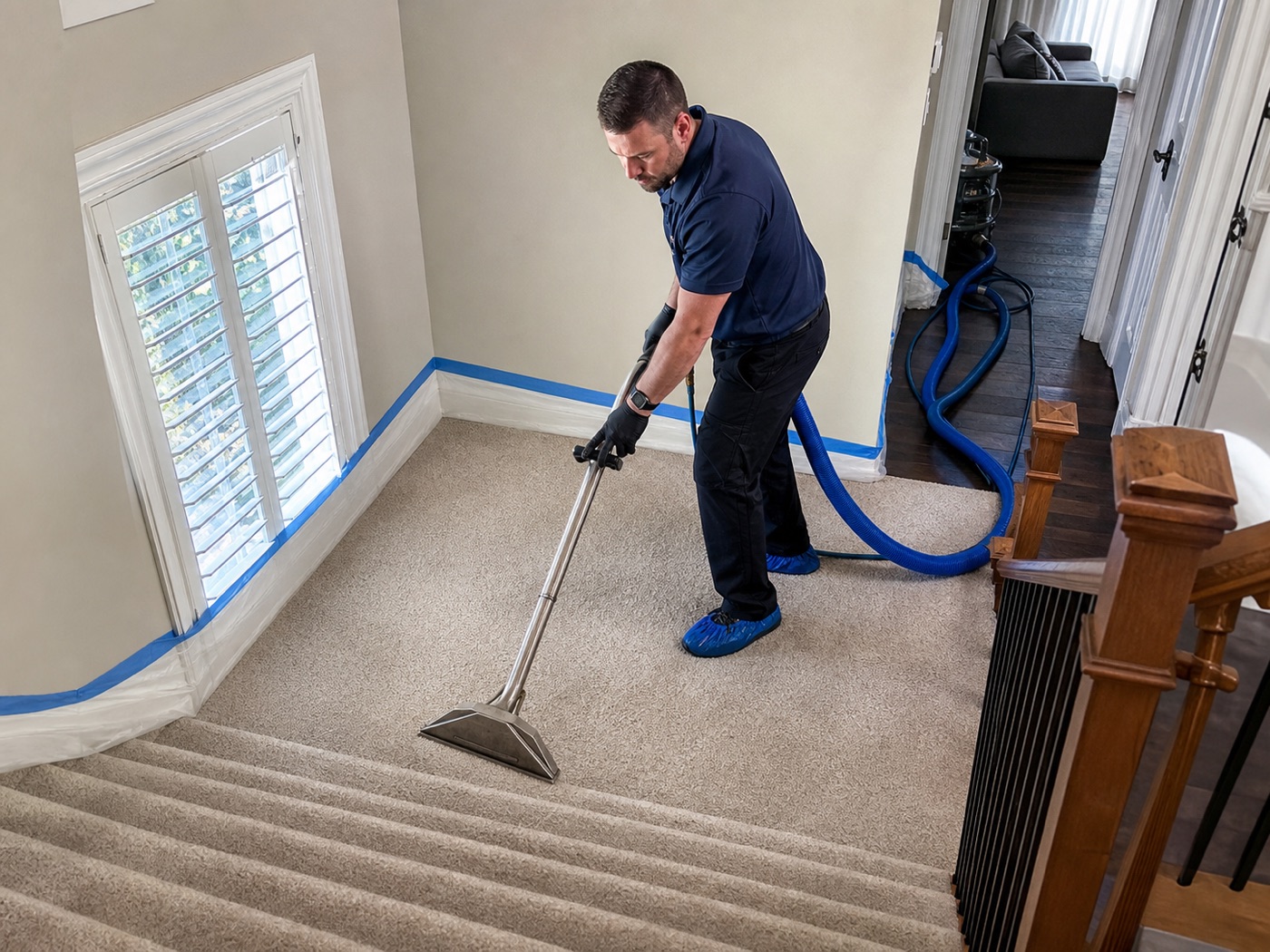
Dry soil removal comes first. A thorough vacuum pass removes the loose particulate that would otherwise turn to mud the instant anything wet arrives. Skipping it is the most common corner cut in the trade, and it is invisible to the customer at the time and obvious three weeks later when the carpet has re-soiled unusually fast.
Then inspection and spot pre-treatment. Different stains need different chemistry, and treating them all with the same pre-spray means some come out and some set permanently. A few minutes spent identifying spots before the wand touches the floor changes the outcome more than any equipment upgrade.
Furniture handling, corner and edge detailing, and post-groom all belong in the same category — small steps that separate a cleaned room from a room somebody ran a machine through. The post-groom in particular helps the pile dry standing up rather than matted, which is most of why a professionally cleaned carpet still looks good a week later.
And afterward, air movement. Twenty minutes of setting fans and opening interior doors cuts drying time substantially, and in this climate that is the difference between a carpet that dries clean and one that has time to wick soil back to the surface.
How to Choose
For most Hampton Roads households the answer is simple: hot water extraction, roughly once or twice a year depending on the room, with attention to drying conditions. Everything else is situational.
| Situation | Best fit | Why |
|---|---|---|
| House with pets, kids, or beach sand | Hot water extraction | Only method that reaches the base of the pile |
| Office that cannot close | Encapsulation on a cycle | Dries in an hour, maintains appearance |
| High-traffic retail or lobby | Encapsulation plus periodic extraction | Appearance between resets |
| Medical corridor, tight schedule | Encapsulation or dry compound | Minimal downtime and moisture |
| Natural fiber rug or jute backing | Dry compound | Water causes browning and shrinkage |
| Heavy soil, odor, or pet accidents | Hot water extraction with sub-surface work | The soil is not on the surface |
Two questions cut through most sales conversations. Ask what the method is and how long the carpet will be damp, and ask whether the pre-spray gets dwell time. The answers tell you a lot, because the companies doing the work properly are glad to explain it and the ones skipping steps tend to change the subject to price.
The Hampton Roads Variable
Method selection here has to account for something inland companies can ignore, which is that our air is often near saturation for months at a time.
In July and August, water evaporating from a carpet has nowhere to go, and a job that dries in five hours in October can take most of a day in August. That is not a reason to avoid hot water extraction — it is a reason to run the air conditioning, use air movers, and schedule mornings rather than late afternoons so the floor has daylight hours to finish.
It is also a reason that extraction quality matters more here. The difference between a machine that pulls most of the moisture back out and one that leaves the carpet soaked is a few hours of drying inland and a genuine mildew risk on a humid week in Chesapeake. Vacuum recovery is the specification that gets talked about least and matters most in this climate.
For households that want one thing to remember: the method matters, but the operator matters more. Careful pre-vacuuming, honest dwell time, thorough extraction, and attention to drying will beat a better machine used carelessly every single time. That is true of residential work and doubly true of commercial.
All City Carpet Cleaning And Building Solutions runs truck-mounted hot water extraction for residential work and both extraction and low-moisture programs for commercial buildings across Virginia Beach, Norfolk, Chesapeake, Suffolk, Hampton, Portsmouth, and Smithfield. Our pricing is published by area so the method conversation stays separate from the money conversation.