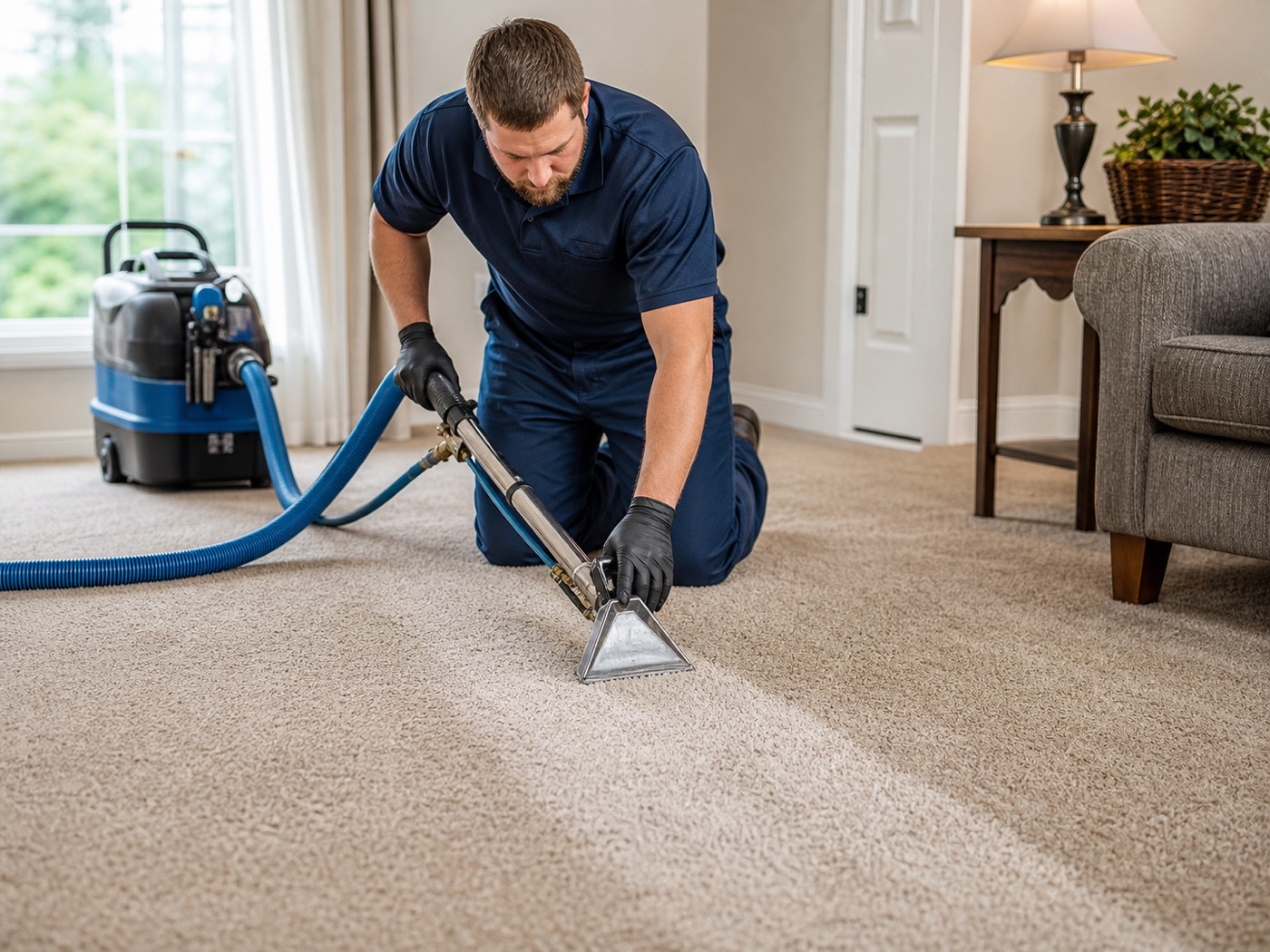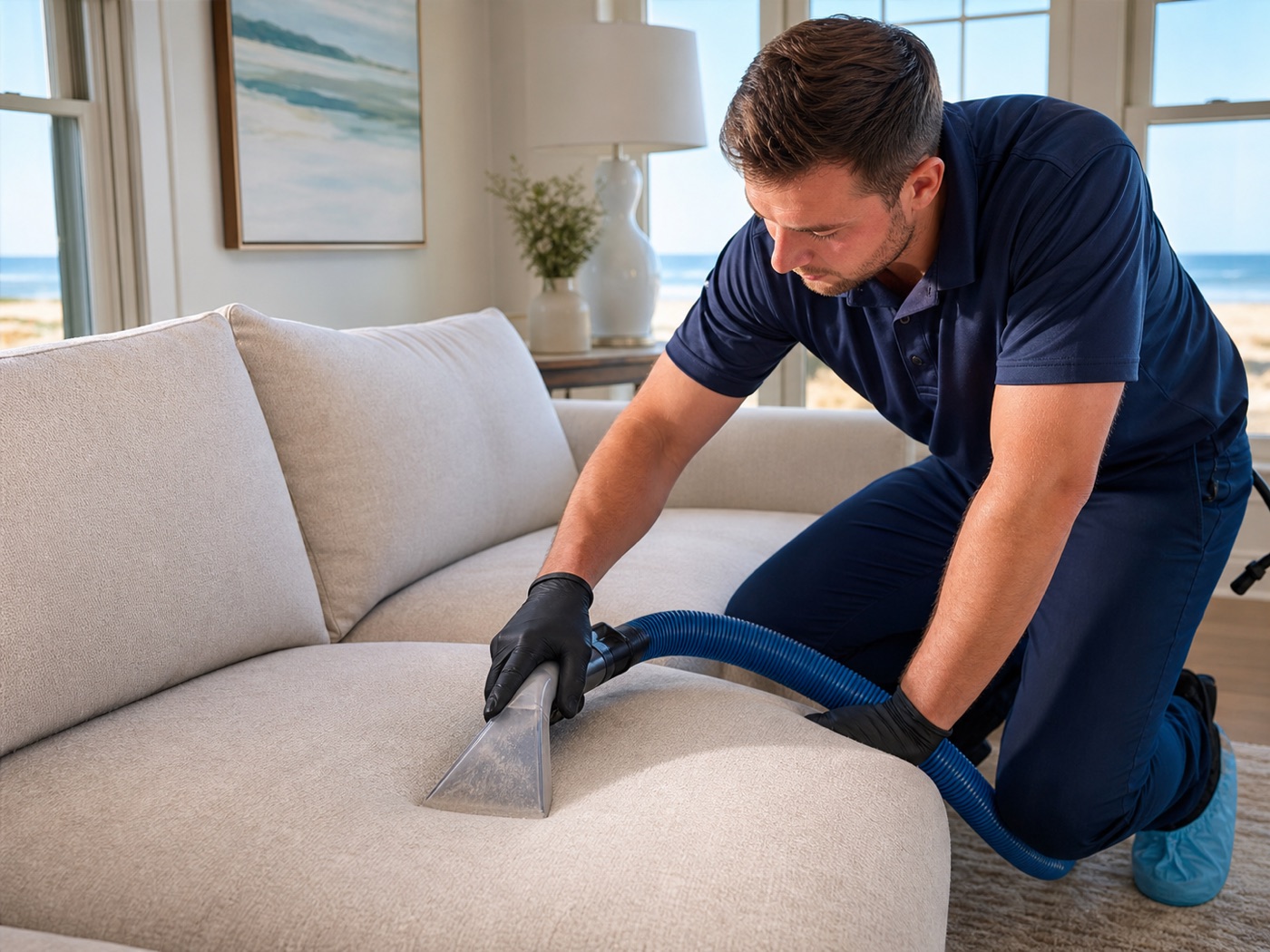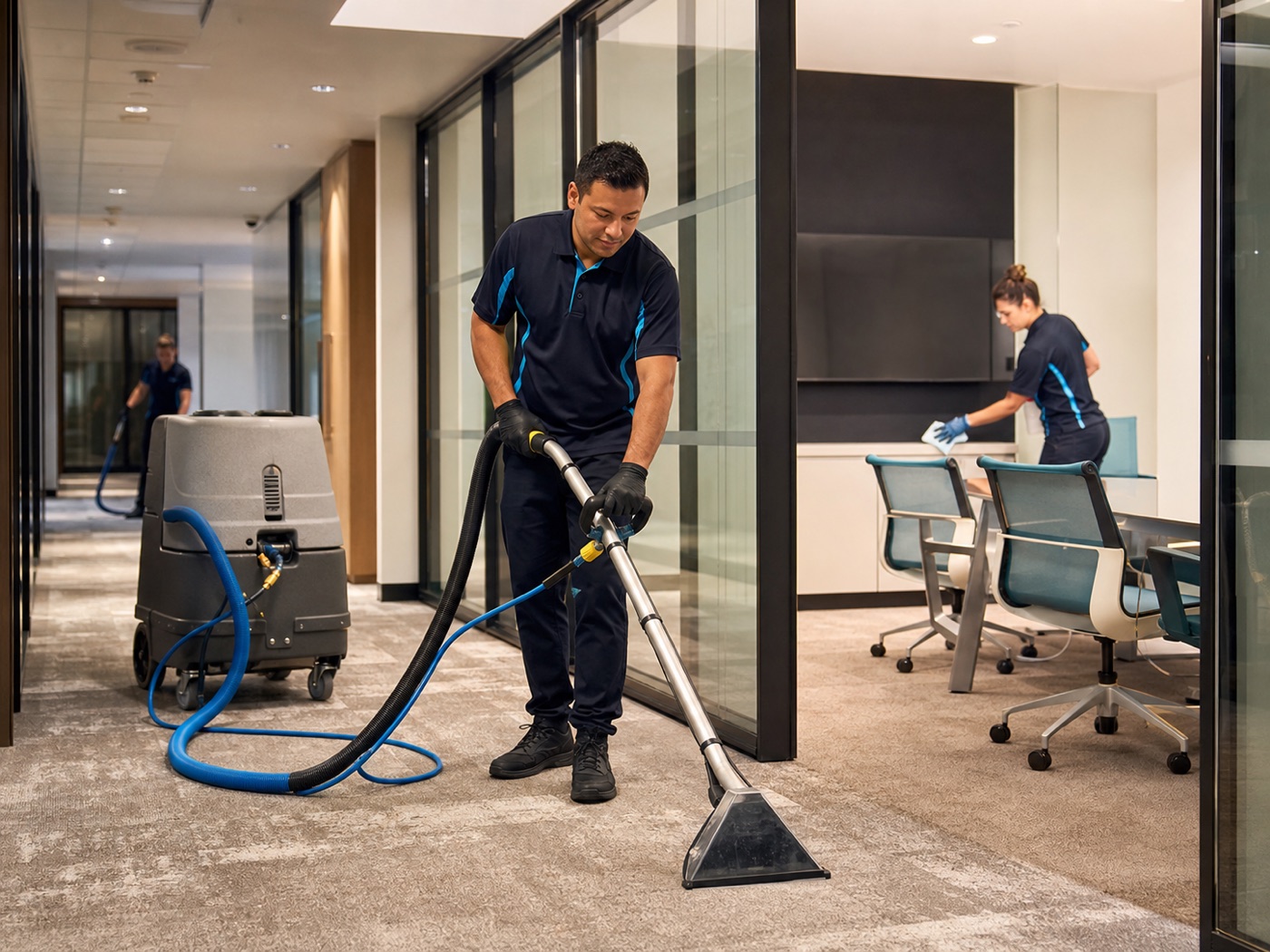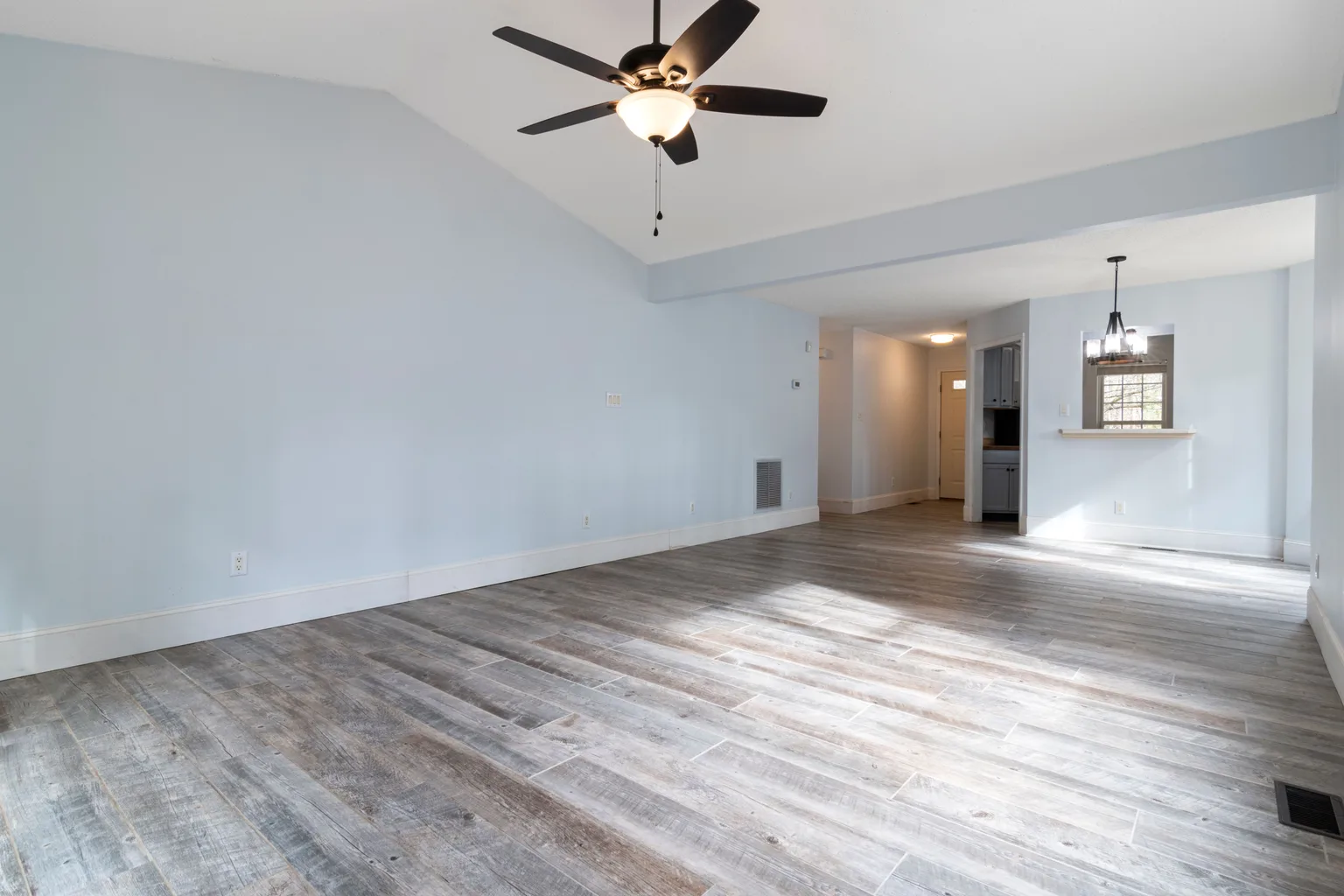
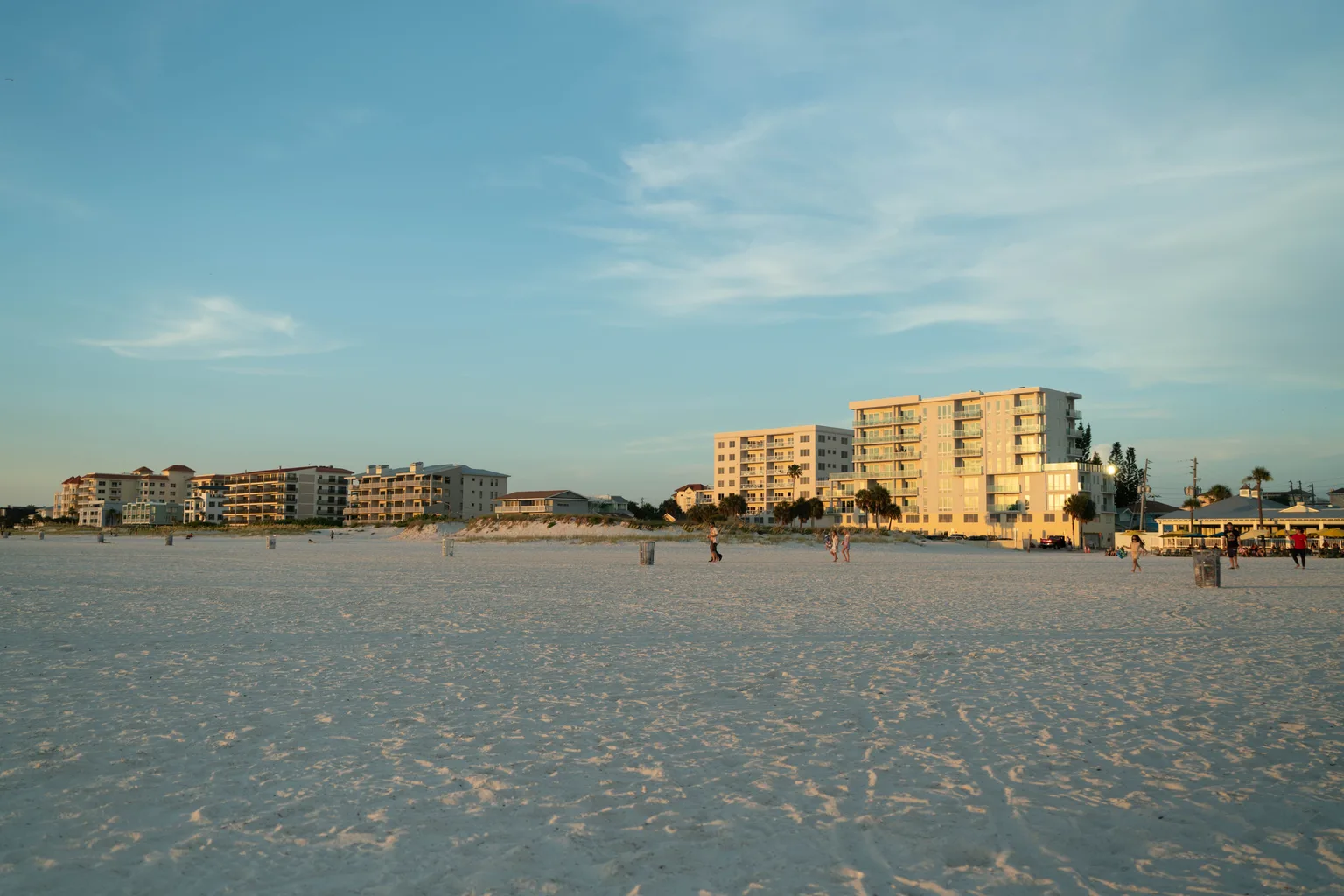
A short-term rental at the Oceanfront operates under a set of constraints that no other residential property has. From Memorial Day through Labor Day it may turn over every seven days — sometimes every three or four — and each set of guests arrives directly from the sand with towels, coolers, and beach chairs.
Compressed into one season, that is roughly the wear a family home takes in a year, delivered by people with no long-term interest in the flooring, with a cleaning window measured in hours.
Sand Is the Whole Problem
Everything else in a beach rental is a normal cleaning issue. Sand is a structural one.
Quartz sand is harder than every fiber residential carpet is made from. Once a grain settles to the base of the pile, each footstep grinds it against the yarn and shears material away. The damage is not cosmetic and it is not reversible — it is why oceanfront rental carpet develops that flat, grey, slightly rough traffic path years before an inland property does.
Guests do not help with this, and it is not reasonable to expect them to. They are on vacation. What actually works is intercepting sand before it enters, which means the entry setup does more for your flooring budget than anything that happens after.
- An outdoor rinse station or hose with a spray head, clearly visible and obviously intended for feet and gear.
- A coarse scraper mat outside and a long absorbent walk-off mat inside — long enough for three or four full steps, not two feet of decoration.
- A hard-surface landing area inside the door if the layout allows it; tile or vinyl at the entry is worth the renovation cost in a beach unit.
- A designated spot for beach gear that is not the living room carpet, with a bench or rack that makes the intended behavior obvious.
- A short line in the house manual asking guests to rinse before coming in. Most people will if you ask pleasantly and make it easy.
The Drying Window Decides the Method
This is the constraint that catches new owners out. Hot water extraction is the most thorough process available and it needs the floor to dry afterward. In a Virginia Beach July, with the door opening and closing and outdoor dew points in the seventies, that takes considerably longer than the four to six hours between a ten o'clock checkout and a four o'clock check-in.
Cleaning a carpet at eleven and handing keys over at four means a guest walking onto damp carpet, which re-soils immediately, feels unpleasant, and in a closed-up unit can go musty before the week is out. That is worse than not having cleaned it.
| Situation | Available time | Realistic approach |
|---|---|---|
| Same-day turnover | 4-6 hours | Vacuum, spot treat, low-moisture only if needed |
| One gap night | 20+ hours | Full extraction is feasible with AC and air movers |
| Mid-season gap of several days | Days | Full extraction plus upholstery |
| Pre-season, April or May | Open | Deep reset — carpet, upholstery, hard floors, mattresses |
| Post-season, October | Open | Deep reset before the unit sits closed for months |
The workable pattern is to accept that in-season turnovers are maintenance rather than deep cleaning, and to schedule the real work into the gaps and the shoulder months. Low-moisture encapsulation genuinely improves appearance and dries in an hour or two; it just does not flush the base of the pile, which is why it supplements extraction rather than replacing it.
The Things Nobody Schedules
Carpet gets attention because it is visible. The surfaces guests actually spend the most time in contact with usually do not.
Sofas and sectionals in a rental absorb sunscreen, body oils, food, drink, and sand from twenty different households a season, and cushion fill holds all of it. A three-year-old rental sofa that has never been professionally cleaned is frequently the single largest odor source in the unit, and it is the thing guests sit on all evening.
Mattresses and mattress protectors are the same story and are usually worse, because nobody looks. A protector that is actually laundered between guests solves most of it; one that has been on the bed since the unit opened does not.
Then there is the closed-unit smell. A property that sits shut through a humid September with the air conditioning set to eighty-five develops a stale, faintly musty character that guests notice the moment they open the door — and mention in reviews. That is a humidity problem rather than a dirt problem, and the fix is keeping the unit conditioned or dehumidified rather than cleaning it again in the spring.
Hard Floors Are the Better Bet Here
Worth saying plainly to anyone renovating a rental: in a beach unit, hard flooring in the high-traffic areas will outperform carpet by a wide margin over any reasonable holding period.
Sand that abrades carpet fiber simply sweeps off luxury vinyl plank or tile. Spills that soak into a pad wipe off a hard surface. And a hard floor can be genuinely cleaned in the four-hour window between guests, which carpet cannot. Keeping carpet in the bedrooms for comfort and putting hard surface everywhere else is the configuration most experienced owners end up at.
That does not eliminate the maintenance, it changes it. Tile brings grout, and grout in a beach unit collects sand and sunscreen and darkens steadily until somebody addresses it mechanically. Luxury vinyl plank should never be waxed, which is a mistake cleaning crews unfamiliar with it occasionally make. Both need periodic real attention rather than daily mopping alone.
If replacing flooring is not on the table, the next best thing is deciding where carpet is genuinely worth having. An entry, a hallway, and a living room in a beach rental are all better as hard surface; a bedroom is a reasonable place to keep carpet.
Building a Season Plan
The owners who spend least on flooring over time are the ones who decide the year in advance rather than reacting to it.
- Late winter: book your pre-season deep clean and your post-season deep clean now, while dates are available.
- April or May: full extraction on carpet, upholstery cleaned, hard floors and grout addressed, entry matting replaced.
- In season: your turnover crew vacuums thoroughly and treats spots. Give them written guidance on what to blot and what to leave.
- Mid-season: use one gap of a night or more for a reset on the traffic areas.
- October: full deep clean before the unit sits, and make sure it is not sitting closed and humid.
- Year-round: keep the unit conditioned. Setting the thermostat to eighty-five in an empty coastal unit is how musty smells start.
Step three is worth investing in. Whoever handles your turnovers is your first line on spills, and a one-page card taped inside a supply cabinet — blot do not rub, work from the outside in, cold water for protein, tell the owner about anything that does not come out — prevents most of the permanent damage that shows up at the end of a season. Owners managing several units usually find the same sequencing logic applies as it does to any multi-unit turnover schedule.
The Short Version
Treat an oceanfront rental as a small commercial property rather than a house. Stop sand at the door, because that is the thing actually destroying the carpet. Accept that in-season turnovers are maintenance and put the real cleaning in the gaps and shoulder months. Put the sofa and the mattresses on the schedule. And keep the unit conditioned when it is empty.
All City Carpet Cleaning And Building Solutions works with short-term rental owners and managers across Virginia Beach and Norfolk. Tell us your booking calendar and we will build the plan around it. If you manage several units, they can usually be batched onto shared dates, which costs less per unit than scheduling each one separately and is far easier to fit into a season that is already full.