Every spring, Hampton Roads households brace for tree and grass pollen, and most know the drill by now — yellow film on the car, itchy eyes, the seasonal ritual of checking the pollen count before deciding whether to open the windows.
Ragweed season gets a fraction of that attention despite being, for a lot of people, worse. It peaks from mid-August through early October across coastal Virginia, right as the spring vigilance has faded and right before the holiday hosting season most households are gearing up for.
How Pollen Actually Gets Indoors
The instinct is to blame open windows, and closing them does help. But the bigger pathway is simpler and harder to fully control: pollen rides in on people and pets.
A single ragweed plant releases an enormous quantity of extremely light pollen designed to travel on wind, which means it settles on everything outdoors during peak season — clothing, hair, shoes, a dog's coat after a walk. All of that comes inside attached to whoever or whatever just walked through the door, and the first surface it lands on is almost always the entry carpet.
This is why a household that keeps its windows shut can still have a meaningful pollen load indoors. The control point is not the window — it is what happens at the door.
Carpet as a Reservoir
Once pollen lands on carpet, it does not stay put or simply degrade. It settles into the pile and sits there — inert and mostly harmless — until foot traffic, a vacuum, or kids playing on the floor disturbs it and sends a portion back into the air.
This is the same mechanism behind spring pollen buildup, and the same fix applies: carpet functions as both a trap and, periodically, a re-release mechanism, which is different from a hard surface that simply gets wiped clean.
A household with an allergy-sensitive member and carpet that has not been cleaned since spring is, by early fall, carrying a full season's worth of settled pollen in the pile — right as ragweed adds a second wave on top of whatever remained from earlier in the year.
Vacuuming During Peak Season
Regular vacuuming matters more during ragweed season than almost any other stretch of the year, but it has to be done with the right equipment, because a weak vacuum can genuinely make the air worse before it gets better.
A vacuum without true HEPA filtration, or one with worn seals that let air bypass the filter, pulls pollen up off the carpet and exhausts a portion of it right back into the room. A properly sealed HEPA vacuum captures what it lifts. This distinction matters far more during a two-month pollen peak than the rest of the year, when the stakes of a slightly leaky vacuum are lower.
Slow, overlapping passes over entry areas and anywhere pets spend time outdoors and then indoors — a favorite spot by a window, a dog bed near a door — do more good than a quick pass over the whole house.
Pets and the Secondary Pathway
Dogs and outdoor cats are a genuinely significant pollen delivery system during ragweed season, and it is worth treating them as their own category rather than lumping pet management in with general allergy advice.
A dog's coat picks up pollen on every walk the same way it picks up burrs and grass seed, and it transfers a portion of that load to every surface the dog lies down on — which, in most households, includes a fair amount of carpet. Wiping a dog's paws and coat with a damp cloth after outdoor time during peak weeks reduces what makes it to the floor, and it is a habit worth adopting seasonally even in households that do not bother with it the rest of the year.
Pet bedding itself accumulates pollen the same way carpet does and is worth washing more frequently during the peak rather than on its normal schedule.
HVAC and Indoor Air During Peak Season
Carpet is one piece of a larger indoor air picture during ragweed season, and it is worth thinking about the HVAC system as the second half of the equation rather than treating carpet in isolation.
A standard HVAC filter does a modest job on pollen-sized particles, and a household leaning on it alone during peak weeks is missing an easy upgrade. Moving to a higher-rated filter — MERV 11 or above where the system can handle the added static pressure — for the two months of peak season captures meaningfully more of what circulates through the air, working alongside a clean carpet rather than instead of one. Changing the filter more frequently during this stretch than the rest of the year is a cheap habit that pays off.
Running the HVAC fan periodically even when heating or cooling is not actively needed helps cycle air through that filter more often, which matters during a season when outdoor pollen counts are consistently elevated for weeks at a stretch rather than a single bad day.
The Bedroom Is the Priority Room
If a household can only prioritize one or two rooms for extra attention during ragweed season, the bedroom of whoever is most affected should be at the top of the list, ahead of common areas that see more traffic but less prolonged exposure.
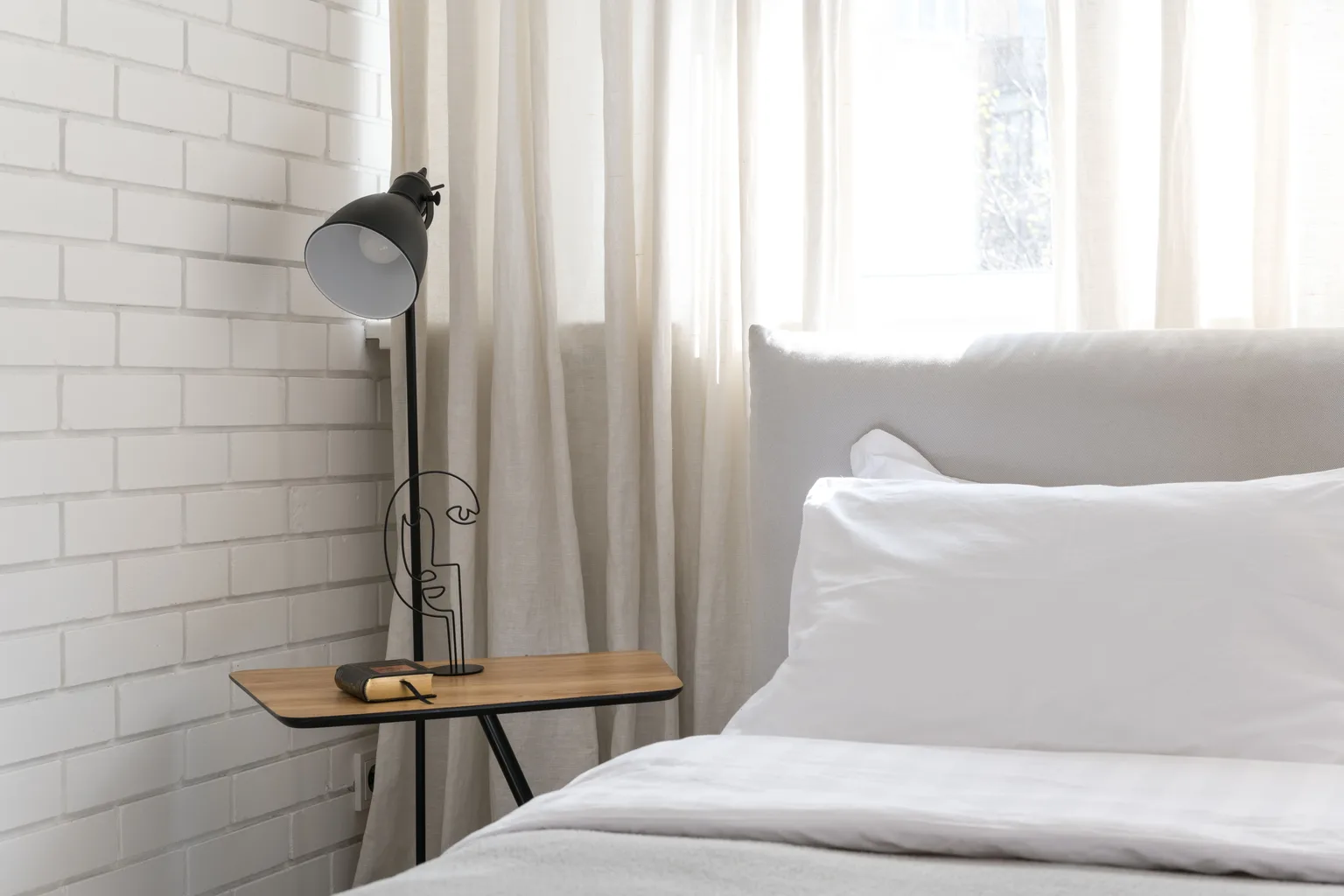
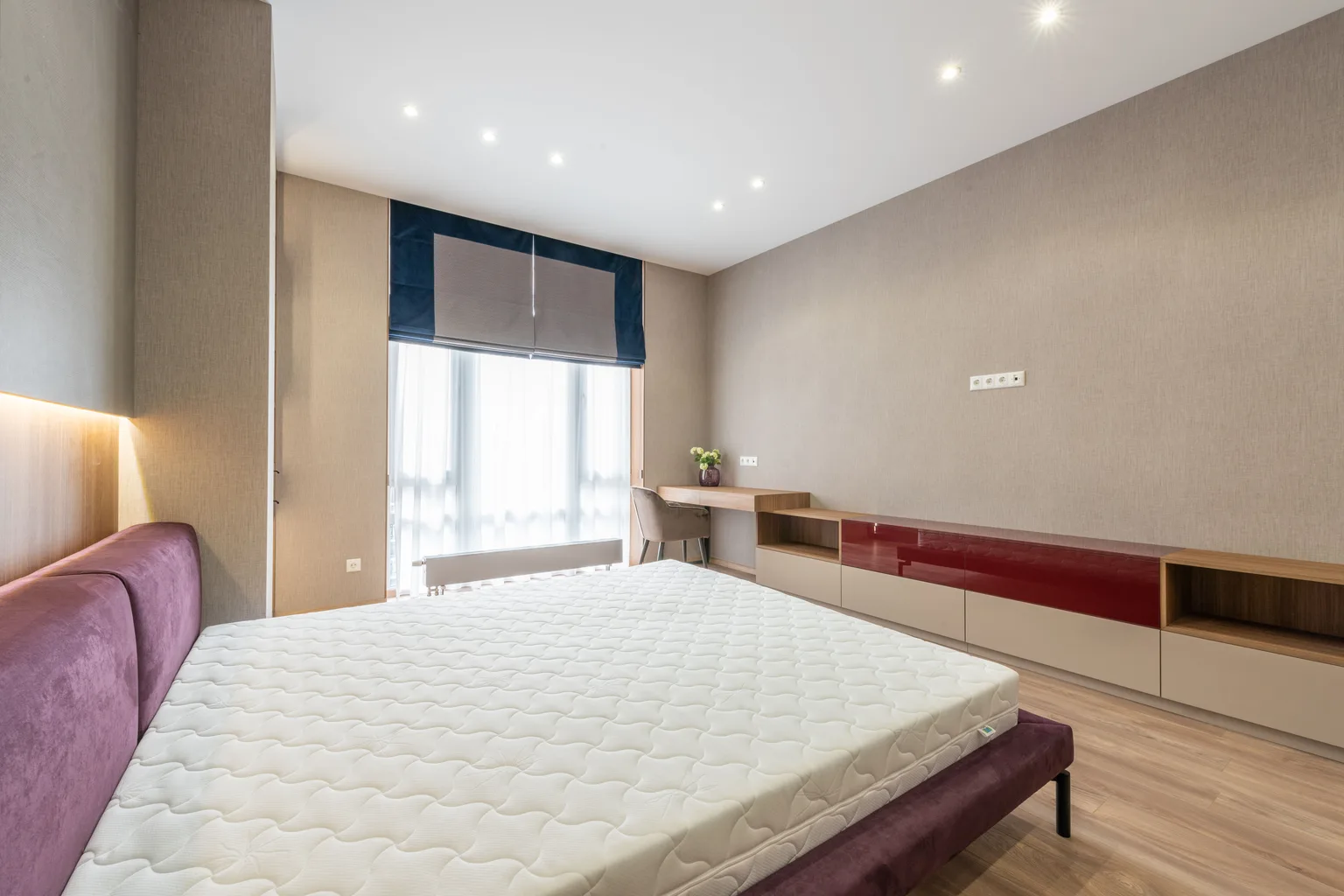
People spend more consecutive hours in a bedroom than almost any other room in the house, breathing close to the same surfaces all night. Carpet, bedding, and curtains in that room all function as pollen reservoirs the same way entry carpet does, and the mattress itself deserves the same seasonal attention as the floor, since it sits in the most direct and sustained contact with a sleeping person.
A closed bedroom door during peak pollen hours — typically mid-morning through early afternoon, when ragweed release is highest — combined with a HEPA air purifier running in that specific room gives an allergy-sensitive household a genuine retreat space even during the worst weeks of the season. Extending professional carpet and upholstery cleaning to that bedroom specifically, even on a household's standard schedule, is worth the small add rather than skipping it as a rarely used room.
Timing a Fall Cleaning Around the Peak
Two windows make sense for a professional cleaning relative to ragweed season, and which one is right depends on what the household is trying to accomplish.
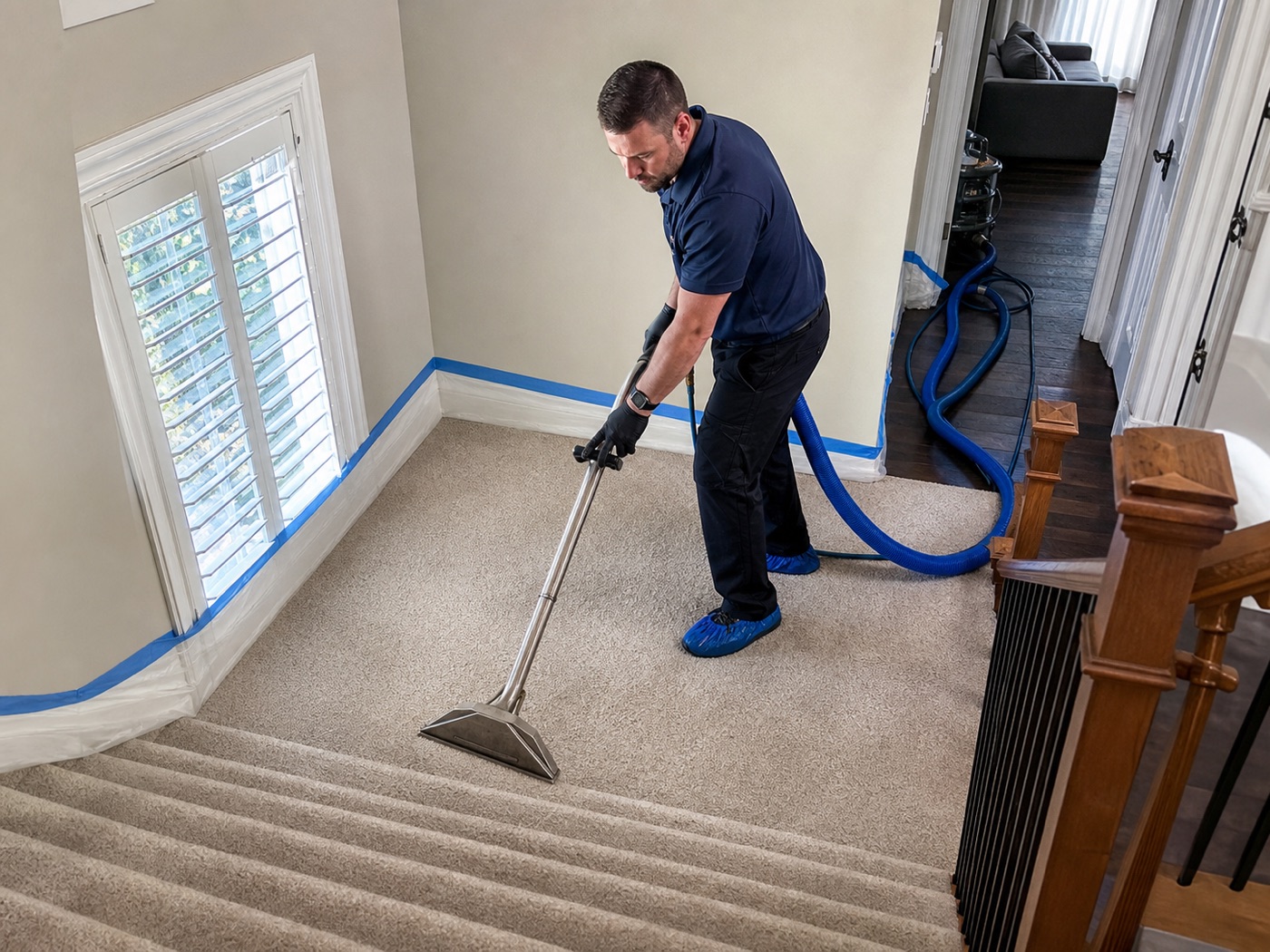
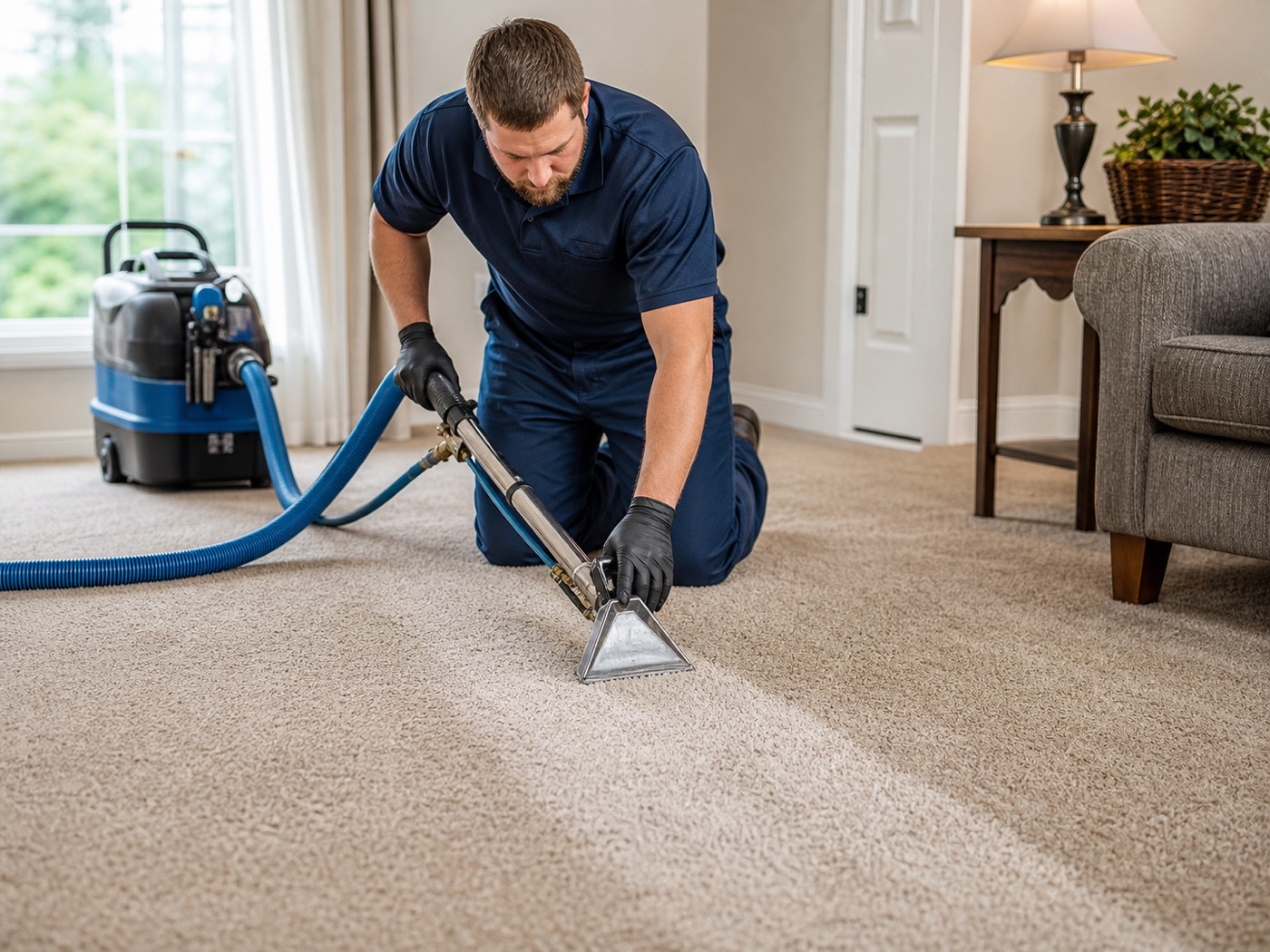
Cleaning in mid-August, just before the peak, starts the season with a clean baseline and means whatever accumulates through September and into October is the first layer rather than being added on top of a carpet that already held a spring's worth of settled allergen. Cleaning in October, right after the peak eases, clears out the season's accumulation before the windows-closed winter stretch traps it indoors for months with no fresh air exchange to dilute it.
Either timing beats the default most households fall into, which is cleaning once a year on no particular schedule and hoping it lines up with the parts of the year that matter.
For households that already clean carpet twice a year on a spring and fall rhythm, simply nudging the fall appointment to land right after the ragweed peak eases rather than waiting until closer to the holidays captures more of the benefit without adding an extra visit to the calendar.
It is a small scheduling adjustment, but it is the kind of thing that compounds over several years of a household consistently timing its fall cleaning around the actual pollen calendar rather than an arbitrary date that happens to be convenient for the family's other commitments that particular weekend, and the difference shows up most clearly in how the household feels through the following winter.
All City Carpet Cleaning And Building Solutions serves allergy-sensitive households across Virginia Beach, Norfolk, Chesapeake, Suffolk, Hampton, Portsmouth, and Smithfield with scheduling built around the seasons that actually affect indoor air.