A coffee shop is a small space doing a lot of work. In a few hundred square feet, a typical location handles the volume of foot traffic a much larger retail store would see, and it does it while also serving hot liquids, sugary syrups, and food that gets dropped, crumbled, and tracked around all day.
The floor absorbs all of it, and it usually does so across at least three distinct surfaces — entry matting, hard flooring behind the counter, and whatever is under the seating area — each of which wears and soils differently and deserves its own schedule rather than one blanket cleaning plan.
The Three Zones of a Coffee Shop Floor
The entry zone takes the same abuse any retail entry takes — rain, sand, salt in winter — concentrated into a space that customers cross constantly throughout the day rather than once. A coffee shop's traffic pattern is different from a typical retail store because customers come and go continuously rather than in occasional waves, so the entry mat works harder per square foot than almost any other commercial application.
The counter and bar zone is almost always hard flooring — tile, sealed concrete, or commercial vinyl — chosen specifically because carpet would be impractical against steamed milk, spilled espresso, and the general mess of a working bar. This zone behaves more like a restaurant kitchen floor than anything else in the shop, dealing with grease and sugar residue that builds a film over time regardless of how often it gets mopped.
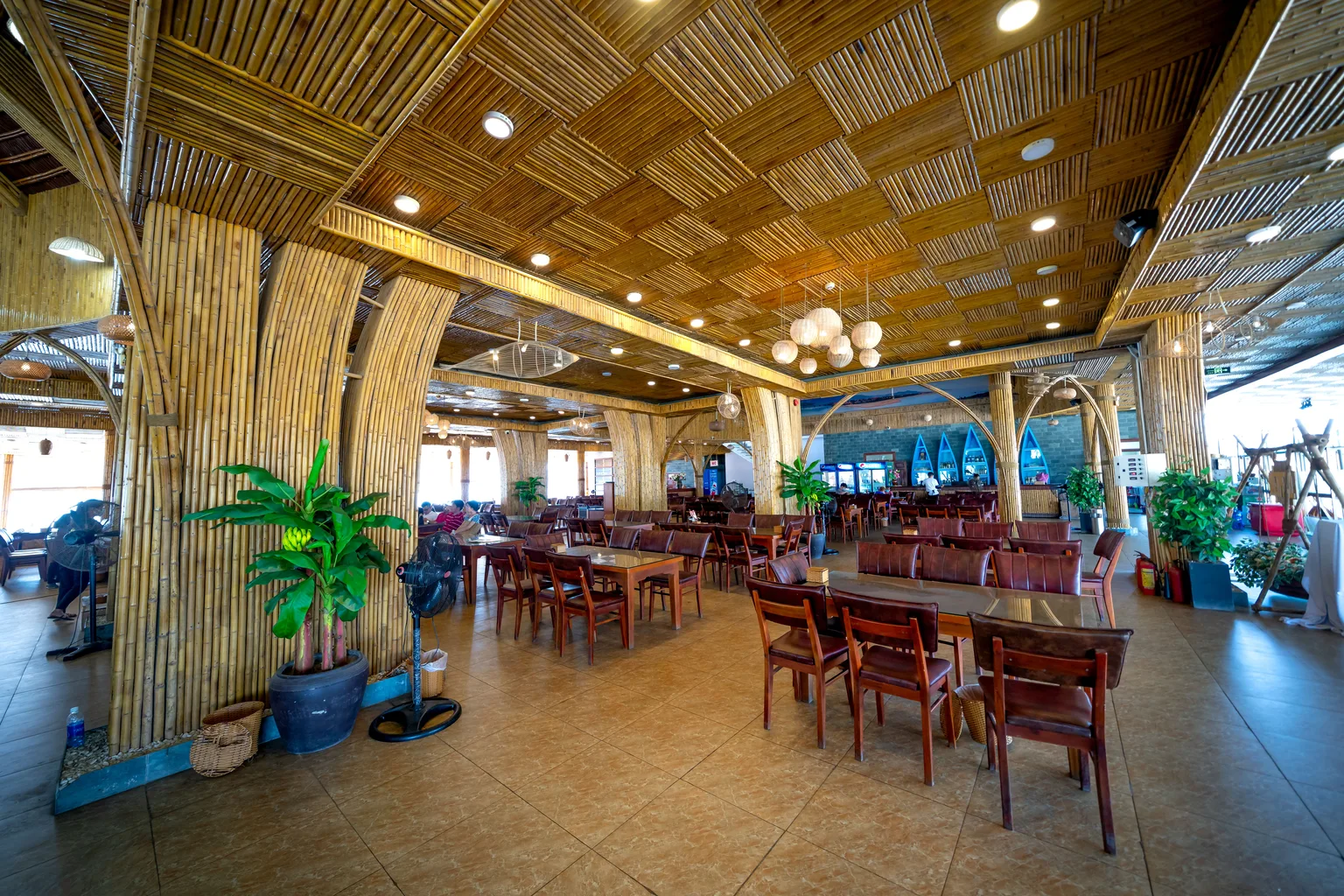
The seating area is where the floor treatment varies most by shop. Some run hard flooring throughout for easy cleanup. Others put down carpet, carpet tile, or area rugs to make the space feel warmer and quieter — and that softer flooring takes a concentrated version of restaurant-dining-room wear: dropped pastry crumbs, spilled lattes, and the constant scrape of chair legs.
Why Mopping Alone Stops Working
Most coffee shop staff mop the hard floor daily or near-daily, and it is a genuinely necessary habit. But mopping with plain water or a general all-purpose cleaner does not fully break down the specific residue a coffee shop produces, and the gap between what mopping removes and what actually accumulates widens slowly over weeks.
Milk and cream leave a protein-based film. Spilled syrups and sugar leave a sticky residue that attracts more soil once it is there. Coffee itself, despite being a liquid that seems easy to wipe up, leaves a tannin stain that darkens grout lines and porous tile over time even when the surface itself looks clean after mopping.
A Realistic Schedule by Zone
| Zone | Daily task | Deeper cleaning |
|---|---|---|
| Entry mats | Vacuum or shake out | Launder or deep-clean monthly |
| Counter / bar tile | Mop with degreaser | Grout and deep scrub quarterly |
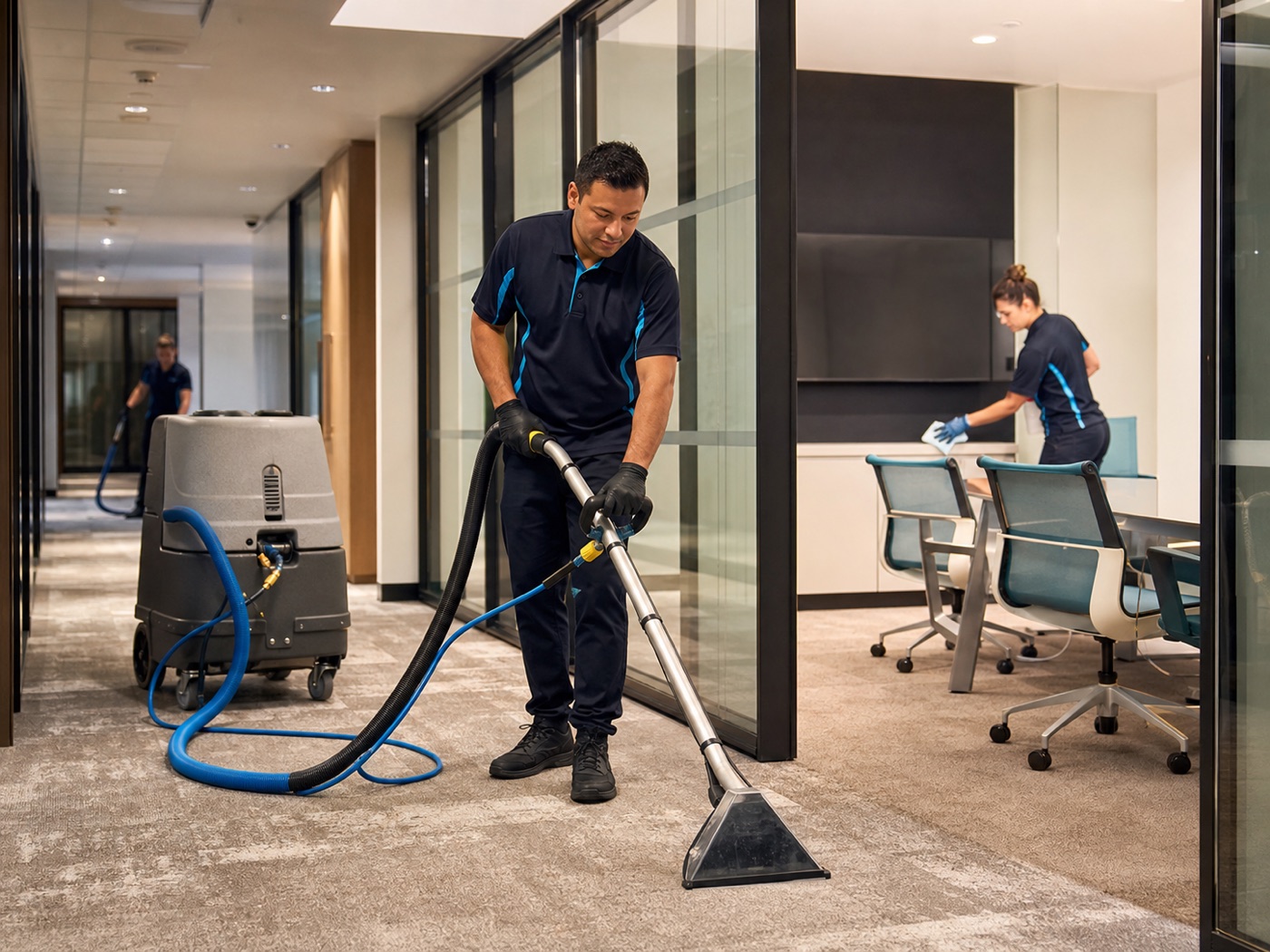
| Seating area carpet or rug | Vacuum daily | Professional extraction monthly to quarterly |
| Seating area hard floor | Mop or sweep multiple times daily | Deep scrub and reseal semi-annually |
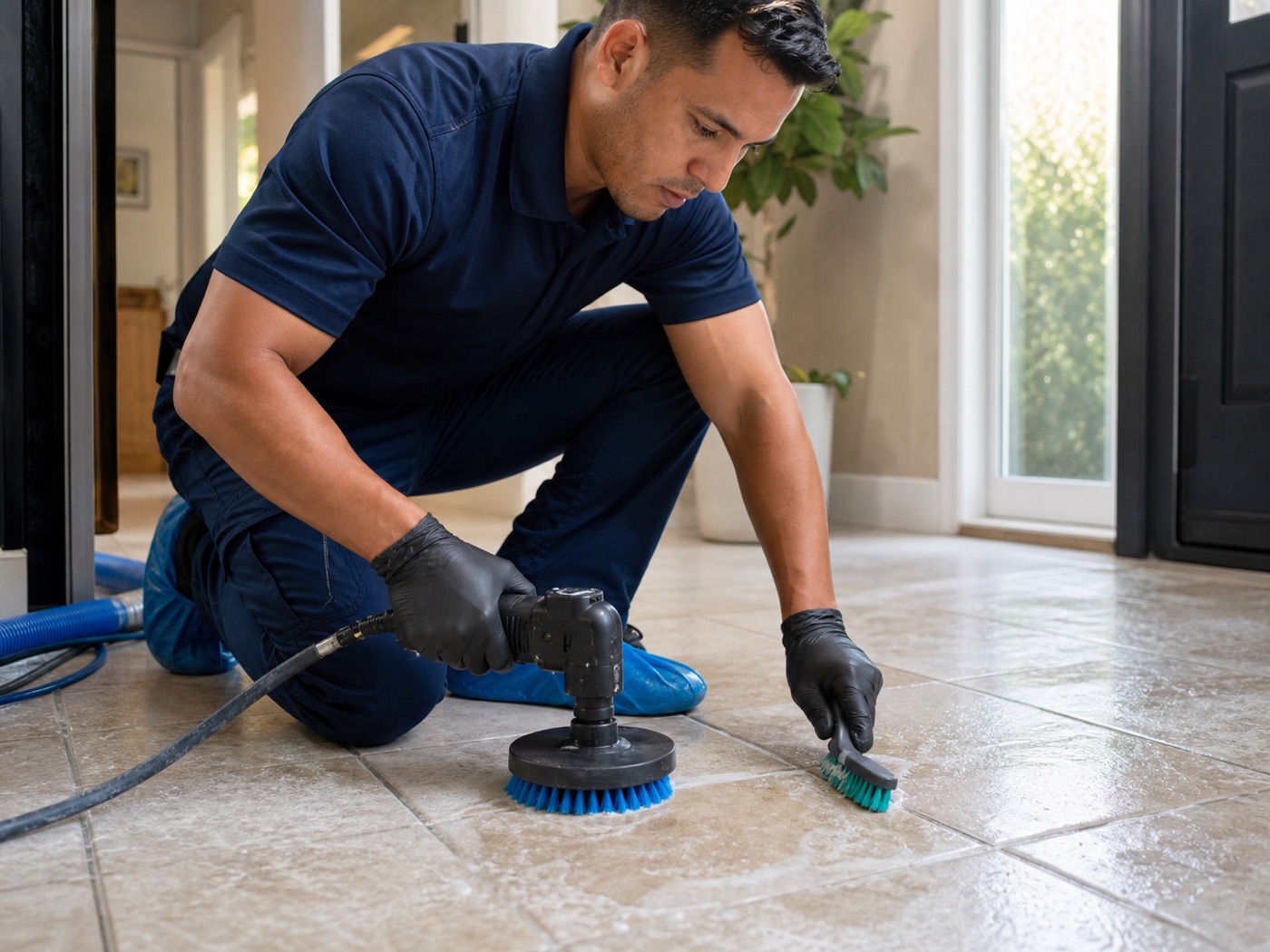
The gap between the daily task and the deeper cleaning is where most coffee shops fall short, not because staff are careless but because daily maintenance genuinely looks sufficient on the surface. Bringing in professional grout and tile cleaning on that quarterly rhythm catches what daily mopping and vacuuming cannot reach before it has been accumulating for months.
Scheduling Around Real Traffic, Not the Calendar
A coffee shop's traffic pattern is unusually predictable within a day even when it varies a lot across the week, and that predictability is worth using when scheduling deeper cleaning.
Most independent coffee shops see their heaviest traffic in the morning rush and again in the early afternoon study-and-laptop stretch, with a genuine lull in between — typically mid-afternoon on weekdays — and another one late evening before close. Scheduling deep cleaning of the seating-area carpet or a full mop-and-degrease of the counter zone during that mid-afternoon lull, rather than after closing when staff are tired and rushing to leave, tends to produce better results and less disruption to the next morning's opening rush.
Shops near tourist or boardwalk areas in Hampton Roads see a different rhythm seasonally, with summer weekend traffic dwarfing a typical weekday, which argues for a seasonal adjustment to the cleaning calendar on top of the daily rhythm — more frequent deep cleaning through the peak season and a lighter touch in the off months.
Health and Image Both Matter Here
A coffee shop floor problem is both a food-service issue and a brand issue in a way a typical office is not. Sticky or visibly stained flooring near a service counter raises the same kind of hygiene concern a dirty table would, even if the actual food safety risk is minimal, because customers judge cleanliness by what they can see and feel underfoot.
It is also, for a lot of independent coffee shops, part of the actual brand experience customers are paying a premium for — a cozy seating area with a worn, stained rug undercuts the atmosphere the shop is otherwise working hard to create through its furniture, lighting, and menu presentation.
Investing in the floor at the same level as the visible counter and menu board is a mindset shift worth making, since customers form an impression of the whole space, not just the parts a business owner is consciously curating.
Staff Habits That Extend the Interval Between Deep Cleans
A handful of front-of-house habits make a genuine difference in how long a coffee shop can stretch between professional deep cleanings, and they cost nothing beyond a little consistency from the team on shift.
- Wipe up spills the moment they happen rather than letting them sit until a slow moment, since dried spills bond to the floor far more stubbornly than fresh ones.
- Keep a designated mop and bucket for the counter zone separate from anything used in the seating area, so grease and sugar residue does not spread to carpet or rugs.
- Sweep or vacuum entry mats at both the mid-shift lull and closing, not just once a day, since a mat that is full stops catching new soil.
- Rotate or flip area rugs periodically if the shop uses them, to even out wear that would otherwise concentrate under the most popular tables.
- Flag stubborn or recurring stains to a manager rather than assuming they will come out eventually with routine mopping.
None of this replaces professional cleaning, but a shop with consistent staff habits genuinely stretches further between deep cleanings than one relying on the deep clean alone to undo weeks of accumulated residue.
Budgeting Floor Care Into Operations
Independent coffee shops often treat floor cleaning as a reactive expense — something addressed when it becomes visibly necessary — rather than a budgeted line item the way food cost or payroll is planned for. Shops that build a modest recurring floor-care budget into their regular operating expenses tend to avoid the larger, more disruptive cleanup that comes from letting things go too long.
It is a similar logic to preventive maintenance on kitchen equipment — a small, predictable recurring cost beats an occasional large one, and it protects the customer experience consistently rather than letting it dip between infrequent resets.
Working Around Operating Hours
Unlike a typical office, most coffee shops do not have a long stretch of fully closed hours to schedule cleaning into, which makes coordination with a professional crew more important than it would be for a nine-to-five business.
A crew that can work in sections — cleaning half the seating area while the other half stays open, or handling the deepest commercial carpet cleaning work during a genuinely slow window rather than requiring a full closure — keeps a coffee shop from losing meaningful revenue hours to floor maintenance. This is worth discussing directly when setting up a recurring schedule rather than assuming a standard commercial cleaning window will fit a business that is open early and stays busy late.
All City Carpet Cleaning And Building Solutions works with independent coffee shops and small cafes across Virginia Beach, Norfolk, Chesapeake, Suffolk, Hampton, Portsmouth, and Smithfield on schedules built around real operating hours, with pricing published up front.